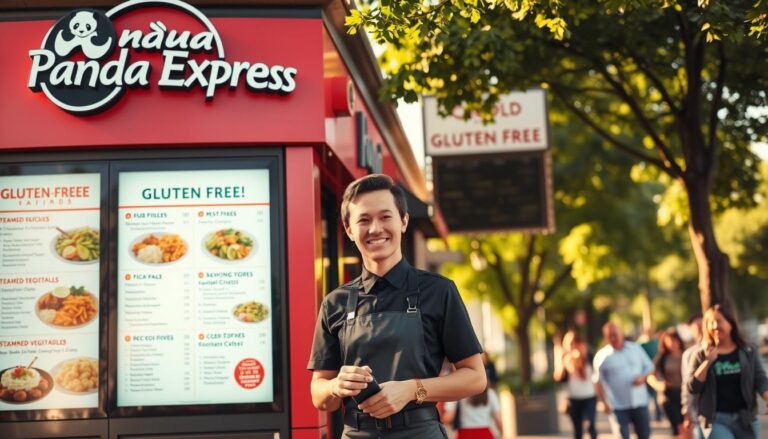
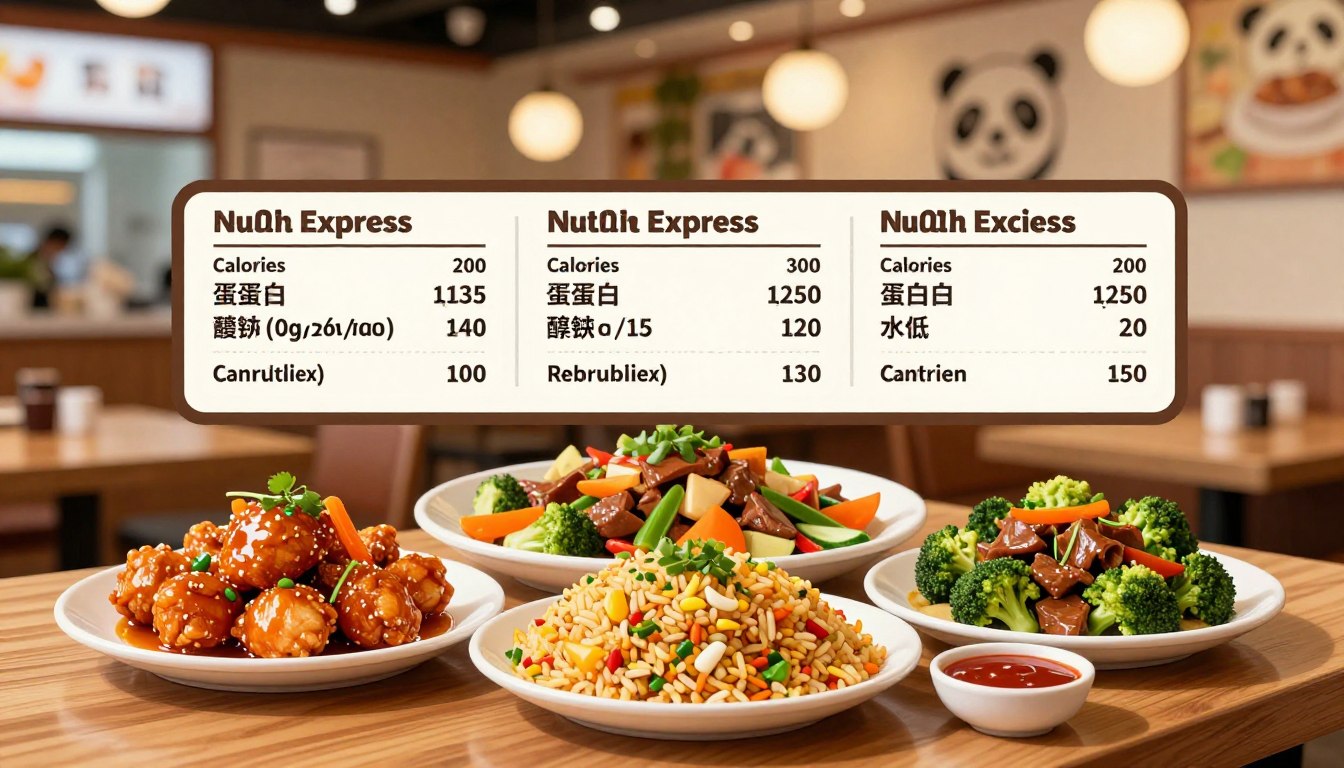
Panda Express Menu Nutrition
This buyer’s guide gives you a simple, practical way to read panda express nutrition so you can order with confidence. You’ll learn to think in full-meal totals — entrée, side, and drink — rather than trusting single-item numbers.
We preview the two big levers you’ll use: your side choice and how sauce-heavy the entrée is. Those most often shift calories, sodium, carbs, and sugar in surprising ways, even when portions look normal.
You’ll see better baseline picks like Super Greens and Wok Smart options alongside popular treats such as orange chicken and honey walnut shrimp. That helps you decide, not guess.
Finally, we include easy meal builds for lower-carb, lower-sodium, and higher-protein goals. Numbers can vary by location or portioning, so we’ll show a quick method to double-check nutrition facts in the official tool before you tap checkout.
How Panda Express Nutrition Facts Work in the Real World
Real-world nutrition starts with how you assemble your plate—sides, sauces, and portion choices change the story.
Why “healthy” depends on sides, sauces, and portion format:
- Sides like fried rice or Super Greens shift calories and sodium dramatically.
- Sauces add sugar and salt fast, even in small servings.
- Bowl, Plate, or Bigger Plate changes the total by adding extra scoops.
How “per serving” varies
Per serving counts can differ by location and by who is scooping. Your order may not match the listed value exactly.
Where numbers come from
| Source | Typical Strength | Expectations |
|---|---|---|
| Official tool | Standardized | Good baseline, but idealized |
| Third-party databases | Aggregated | Useful for comparison, may vary |
| Your takeout box | Real-world | Most accurate for your meal |
Treat nutrition facts as decision guides, not perfect lab numbers. Focus on the big drivers: calories, sodium, and sugar. Later sections use widely cited snapshots, and we’ll show where those snapshots commonly shift so you can order with more confidence.
Panda Express Menu Nutrition: What to Know Before You Order
Before you order, learn the four quick numbers that actually steer your meal’s impact. Use them as a simple check so choices feel less random and more dependable.
Calories, carbs, sodium, and sugar: the four-number check
Calories tell you total energy. Carbs track the base—rice, noodles, and sticky sauce. Sodium shows how fast you near daily limits. Sugar reveals sweet glazes and added syrups.
Why fried batter and sweet sauce change nutrition fast
Battered chicken soaks up oil. That raises calories and fat quickly. A shiny, sweet sauce adds carbs and sugar on top of that. Together, they multiply the effect.
| Metric | Low | Medium | High |
|---|---|---|---|
| Calories | 150–300 | 300–500 | 500+ |
| Carbs | 10–40 g | 40–70 g | 70+ g |
| Sodium | 200–600 mg | 600–1,200 mg | 1,200+ mg |
| Sugar | 0–5 g | 5–15 g | 15+ g |
If it’s fried and shiny-sweet, expect a higher hit to calories and sugar than you think. Sodium often proves hardest to manage, even when totals seem reasonable. Next, we compare bowls, plates, and sides so you can build a better plate without losing flavor.
Choose Your Meal Format Wisely: Bowl, Plate, or Bigger Plate
Your format choice — bowl, plate, or bigger plate — sets the frame for calories and sodium before you even pick food. Decide the format first. Then choose the side. Last, pick entrées. That order keeps totals predictable.
How Bowl vs. Plate changes totals
A Bowl = 1 side + 1 entrée. It is the easiest portion-control lever. One entrée limits calories and sodium compared with larger formats.
A Plate = 1 side + 2 entrées. It adds variety and protein but can double sodium fast if both entrées use heavy sauce. Use one lighter entrée to balance the plate.
Why Bigger Plate makes over-ordering easy
Bigger Plate = 1 side + 3 entrées. It often feels like “just one more item,” but that third entrée can push calories and sodium from reasonable to very high.
| Format | Entrées | Best use |
|---|---|---|
| Bowl | 1 | Portion control, lighter day |
| Plate | 2 | Variety or sharing |
| Bigger Plate | 3 | Large appetite, avoid sauce-heavy items |
Quick decision rule: for a lighter day, start with a Bowl. For variety, pick a Plate but keep one entrée lighter. These simple choices help you order smarter at panda express.
Use the Wok Smart Icon to Find Lighter Options Fast
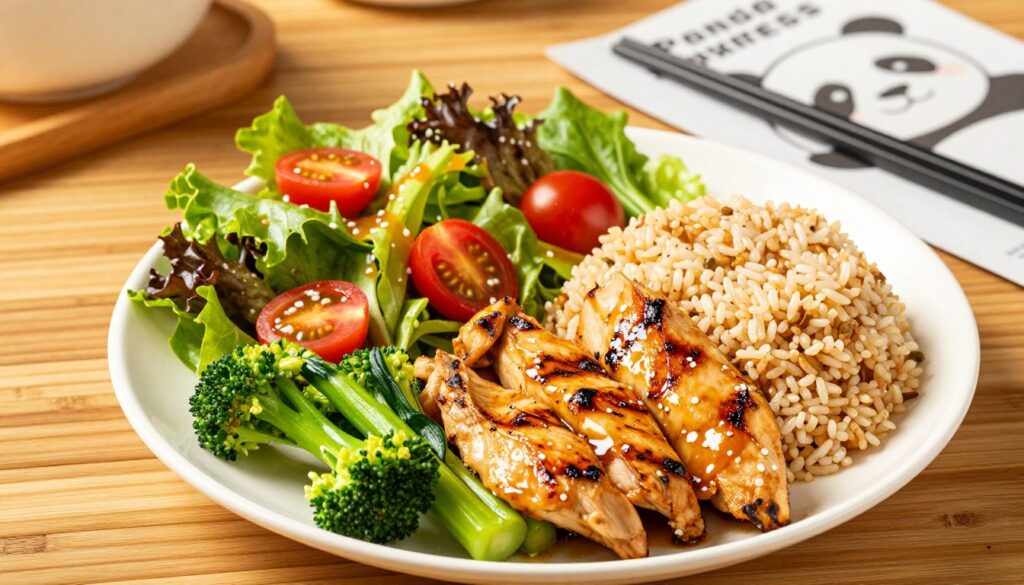
The Wok Smart label points you to entrées built around modest calories and real protein. Look for it when you want a fast-food pick that feels balanced and simple to check.
What Wok Smart means in practical terms
Wok Smart items are designed to be ≤300 calories and provide at least 8g protein. That makes them a reliable starting zone for a lighter plate.
When a Wok Smart choice still needs a sanity check
Wok Smart does not guarantee low sodium. Sauces and seasonings can raise salt quickly. Always scan the sodium column if that is a priority for you.
- Use one Wok Smart entrée as your base.
- Choose your side to control carbs and sodium totals.
- Confirm current numbers in the official tool before ordering.
| Criteria | Target | Why it helps |
|---|---|---|
| Calories | ≤300 | Keeps overall meal lighter |
| Protein | ≥8 g | Adds satiety and balance |
| Sodium | Varies | Check numbers if you limit salt |
Wok Smart is a helpful filter on the panda express menu, not a perfect solution. Next, the side-dish choice becomes the main lever that will make or break the totals. For specific swaps and keto-friendly ideas, see this guide on keto at Panda Express.
The Side Dish Decision That Makes or Breaks Your Meal
Think of the side as the meal’s foundation; the wrong one tilts totals fast. Your side sets most of the carbs and a big part of the sodium before you add any entrée. Choosing wisely makes the rest of the plate easier to balance.
Chow Mein snapshot
Chow mein runs about 552 calories and 860 mg sodium. It looks like a simple noodle side, but those calories add up fast.
Fried Rice snapshot
Fried rice is roughly 520 calories and 850 mg sodium. It often stacks extra sodium when paired with saucy entrées.
Super Greens and rice choices
Super Greens is the easy swap at about 90 calories and 260 mg sodium. It cuts carbs and resets the plate without feeling skimpy.
White rice and brown rice are lower-sodium choices than fried sides in many listings. Brown rice adds fiber. Both still add carbs, so treat them as your deliberate carb choice.
| Side | Calories | Sodium (mg) | Real-Time Price |
|---|---|---|---|
| Chow Mein | ~552 | ~860 | $4.29 |
| Fried Rice | ~520 | ~850 | $4.49 |
| Super Greens | ~90 | ~260 | $3.99 |
| White Rice (steamed) | ~190 | Low (varies) | $2.99 |
| Brown Rice (steamed) | ~200 | Low (varies) | $3.29 |
- Why it matters: a noodle or fried rice side can add hundreds of calories and heavy sodium before an entrée arrives.
- Best rule: pick Super Greens most days to lower carbs and sodium quickly.
- Choose rice when you want carbs; treat chow mein or fried rice as an intentional splurge.
Top Entrées for Better Nutrition per Serving
Some entrées give a big return: protein, vegetables, and modest calories per serving.
These picks favor real protein and veggies over sugar-heavy glazes. They work well in a Bowl or as part of a balanced Plate.
Highlighted entrées
Choose these when you want a satisfying meal without a huge calorie or sugar hit. Pairings after the table help you round each choice into a full meal.
| Entrée | Calories | Protein | Sodium (mg) | Why it’s a smarter pick / Real-time price |
|---|---|---|---|---|
| Broccoli Beef | ~150 | ~10 g | ~520 | Low calories with veggies; great for a lighter Bowl / $___ |
| String Bean Chicken Breast | ~190 | 14 g | ~590 | Balanced protein and veg; comfort-food feel / $___ |
| Grilled Teriyaki Chicken | ~300 | 36 g | Varies | High protein anchor; check sodium in the current listing / $___ |
| Super Greens (as entrée) | ~45 | ~2–3 g | ~130 | Very low calories, high volume; pair with protein for a full meal / $___ |
Pairing tips: Broccoli Beef + Super Greens keeps calories low and adds volume. String Bean Chicken Breast pairs well with brown rice for fiber. Grilled Teriyaki Chicken + Super Greens gives a protein-forward bowl that feels filling.
Popular Panda Express Dishes That Spike Sugar and Calories
Some crowd-favorites taste like comfort but pack a surprising dose of sugar and calories.
Below are three classic choices and what they cost nutritionally. Treat them as items you can still enjoy, if you plan around them.
Orange Chicken — fried plus sweet
Orange chicken is the classic example of batter and glaze adding up fast. One serving runs about 490 calories, roughly 820 mg sodium, and near 19 g sugar.
Beijing Beef — sweet, savory, and easy to underestimate
Beijing beef is sauce-forward. Expect around 470 calories, 660 mg sodium, and roughly 24 g sugar. The sugar often hides behind the savory notes.
Honey Walnut Shrimp — sounds lighter than it is
Honey walnut shrimp (walnut shrimp) lists around 360–400 calories. Fried shrimp plus a creamy-sweet sauce raises both sugar and sodium quickly, even if calories look mid-range.
| Dish | Calories | Sodium (mg) | Sugar (g) |
|---|---|---|---|
| Orange chicken | ~490 | ~820 | ~19 |
| Beijing beef | ~470 | ~660 | ~24 |
| Honey walnut shrimp | ~360–400 | Varies | Moderate |
Why these numbers spike: batter soaks fat. Glazes and creamy sauces add sugar and salt. Together, they lift calories, sodium, and sugar beyond what the plate look suggests.
- If you choose one of these dishes, pair it with Super Greens.
- Skip extra sauce on the side.
- Choose an unsweetened drink to avoid stacking sugar.
Appetizers: What Fits a More Balanced Order
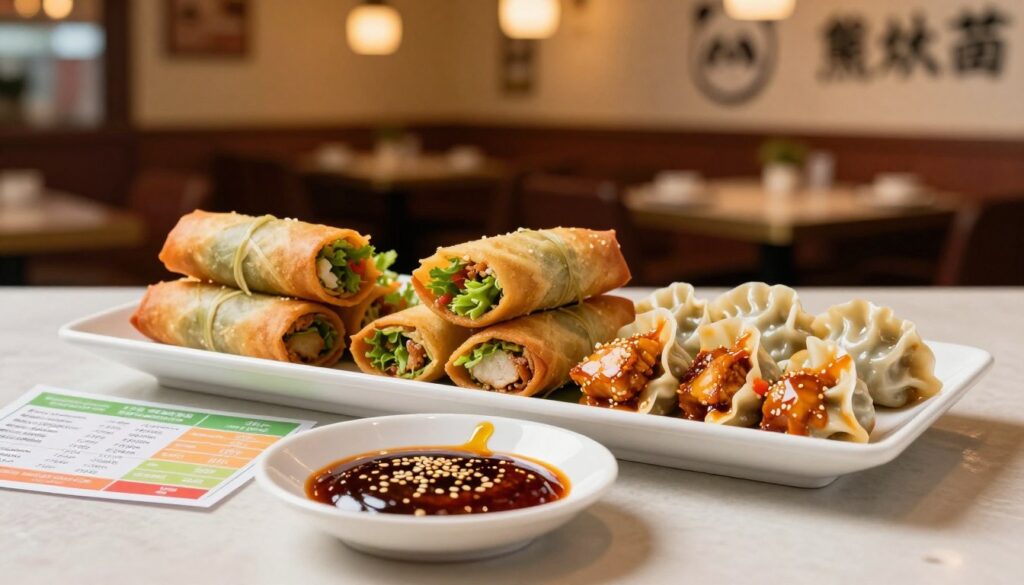
Small starters feel like little indulgences, but they can push your totals higher without adding much satisfaction. Treat appetizers as optional items that should fit the rest of your plate.
Chicken potstickers
Chicken potstickers run about 160 calories and 250 mg sodium per serving. They are often the better balanced starter.
They add protein and modest salt. That makes them easier to pair with a lighter entrée.
Vegetable spring rolls
Vegetable spring rolls list around 190 calories and 520 mg sodium. They sound veggie-forward but can be a nutrition trap.
Spring rolls add more salt and less protein. That can raise your meal’s sodium while leaving you less full.
- Why starters matter: they are the easiest stealth add-on that raises calories and sodium quickly.
- Recommendation: choose potstickers when you want a small, balanced bite.
- Rule of thumb: if your entrée is sweet and fried, skip the appetizer. If your entrée is light, potstickers can fit.
- Family tip: split an appetizer to keep totals reasonable and still enjoy the snacky part of the experience.
| Item | Calories | Sodium (mg) | Real-Time Price |
|---|---|---|---|
| Chicken potstickers | ~160 | ~250 | $3.99 |
| Vegetable spring rolls | ~190 | ~520 | $4.29 |
| Edamame (steamed) | ~120 | ~150 | $3.49 |
Use these quick checks when you scan the menu. A small swap on the starter can save hundreds of calories and a large chunk of sodium without making the meal feel less comforting.
Seafood and Shrimp Choices: Where Sodium Can Surprise You
You might pick fish or shrimp thinking they are the safer option, yet sodium often tells a different story. Seafood can be lower in calories, but sauces and seasonings change the math fast.
Steamed ginger fish is a clear example. It lists around 200 calories but shocks with roughly 1,990 mg sodium. That single dish can use up or exceed a full day’s sodium budget.
How preparation shifts the totals
Compare fried or sauced seafood to steamed or grilled. Frying adds fat and calories. Creamy or sweet sauces add sugar and a lot of sodium. The protein is the same; the sauce is the real variable.
- Keep your side light — Super Greens lowers the overall impact.
- Skip extra sauce and salty add-ons.
- For travel days, double-check sodium since you may already be salt-prone.
| Dish | Calories | Sodium (mg) |
|---|---|---|
| Steamed ginger fish | ~200 | ~1,990 |
| Honey walnut shrimp | ~360 | Varies (moderate–high) |
| Grilled/light shrimp | ~150–220 | Lower (check listing) |
Best use case: enjoy walnut shrimp as an occasional treat. Balance it with vegetables and a low-sugar drink so the rest of your plate stays steady.
Sauces, Add-Ons, and Customizations That Change the Nutrition
A single extra pour of sauce can turn a sensible plate into a high-sodium, high-sugar meal. You rarely see the full portion. Small packets and ladles add up fast.
How extra sauce raises sodium and sugar
One more drizzle can double the sodium and add teaspoons of sugar. That happens before you notice it. Ask for light sauce or sauce on the side to control the hit.
Grilled vs. battered: an easy swap
Choosing grilled chicken instead of battered cuts calories and carbs in one move. Grilled teriyaki choices give protein with less frying. Watch the sodium totals on teriyaki-style glazes.
Balance a sauce-heavy entrée with vegetables
If you keep the entrée, make the rest of the plate work for you. Pick Super Greens or extra vegetables as your side. Avoid stacking with chow mein or fried rice.
| Choice | Typical impact | Quick tip |
|---|---|---|
| Extra sauce | Higher sodium and sugar | Request light or on side |
| Battered chicken | Higher calories and carbs | Pick grilled teriyaki instead |
| Vegetable side (greens) | Lower calories, more volume | Use as your default side |
Quick customization checklist you can use at the counter:
- Request light sauce or sauce on the side.
- Skip extra packets and ask for more greens.
- Choose grilled teriyaki-style chicken over fried when possible.
For more meal-sizing ideas and a simple ordering guide, see this calorie deficit guide.
Drinks and Desserts: Small Items, Big Sugar Swings
A single sweet beverage or cookie can push your whole meal into a high-sugar day. Drinks and desserts often decide whether your plate stays reasonable or tips into excess.
Choose black tea (small) when you want flavor with almost no fuss. It has about 5 calories and ~20mg sodium. It keeps sugar low and leaves room to enjoy the rest of your meal.
By contrast, a large root beer can add roughly 560 calories and ~152g sugar, plus about 190mg sodium. That one drink can overshadow your entrée choices and raise daily sugar fast.
| Item | Calories | Sugar (g) | Real-Time Price |
|---|---|---|---|
| Black tea (small) | ~5 | 0 | $1.99 |
| Root beer (large) | ~560 | ~152 | $3.29 |
| Fortune cookie | ~20 | ~0 | $0.50 |
| Chocolate chunk cookie | ~160 | ~20 | $2.49 |
Quick tips: if you pick a sweet entrée, keep your drink unsweetened. If you want soda, make the rest of the meal lighter. These small choices control sugar, calories, and sodium without losing comfort.
This guidance helps you order smarter at panda express and keeps the rest of the content focused on practical swaps.
Buyer’s Guide Meal Builds for Common Goals
Start with one focal choice and build around it to meet calorie, carb, or sodium goals. Below are quick, screenshot-friendly meal builds you can use at the counter.
Best default order
Bowl + Super Greens + Grilled Teriyaki Chicken. This is a balanced meal that pairs lean protein with volume from vegetables. It avoids a noodle or fried rice base, which keeps carbs and sodium lower. Real-time price: $____
Lower-carb approach
Skip noodles and rice. Choose Super Greens and a veggie-forward entrée. Watch sauces — sweet glazes add carbs fast. Real-time price: $____
Lower-sodium approach
Avoid chow mein and fried rice. Limit sauce-heavy entrées and high-salt seafood like steamed ginger fish. Pick grilled options and ask for light sauce. Real-time price: $____
Higher-protein approach
Prioritize grilled teriyaki chicken and Wok Smart picks (≤300 calories, ≥8 g protein). Consider a Plate if you need extra protein and keep one entrée lighter. Real-time price: $____
Kid-friendly choices
String Bean Chicken Breast cub: ~140 calories, ~440 mg sodium. Orange Chicken cub: ~355 calories, ~590 mg sodium, ~13 g sugar. Choose based on your child’s hunger and salt limits.
- Family tip: one shared Plate plus an extra Super Greens side adds veggies without a full second meal.
| Goal | Build | Why it works |
|---|---|---|
| Default | Bowl + Super Greens + Grilled Teriyaki Chicken | Protein + veg, lower carbs and sodium than noodle bases |
| Low-carb | Super Greens + Wok Smart entrée | Low carbs, watch sauces |
| Low-sodium | Super Greens + grilled chicken (light sauce) | Avoids chow mein and fried rice |
| High-protein | Plate with two Wok Smart picks | More protein, keep one lighter to control carbs |
Order With Confidence: A Smarter Panda Express Nutrition Game Plan
A quick ordering routine keeps calories, sodium, and carbs from sneaking into your meal.
Follow four steps: pick format (Bowl for portion control), pick a side (Super Greens to cut calories and sodium), pick an entrée (favor grilled over battered), then choose drink or dessert. Use Wok Smart items as a fast shortcut.
Before checkout, confirm totals in the official tool. Check sodium, flag sugar-heavy sauces, and make sure the meal still fits your goal.
On the express menu, consider black pepper steak for protein and note eggplant tofu can be saucier and sweeter. Sweet sour choices (sweet sour chicken family) tend to raise carbs and sugar, so pair them with a lighter side.
You don’t need perfection. Use this simple game plan and enjoy the comfort food without surprises.