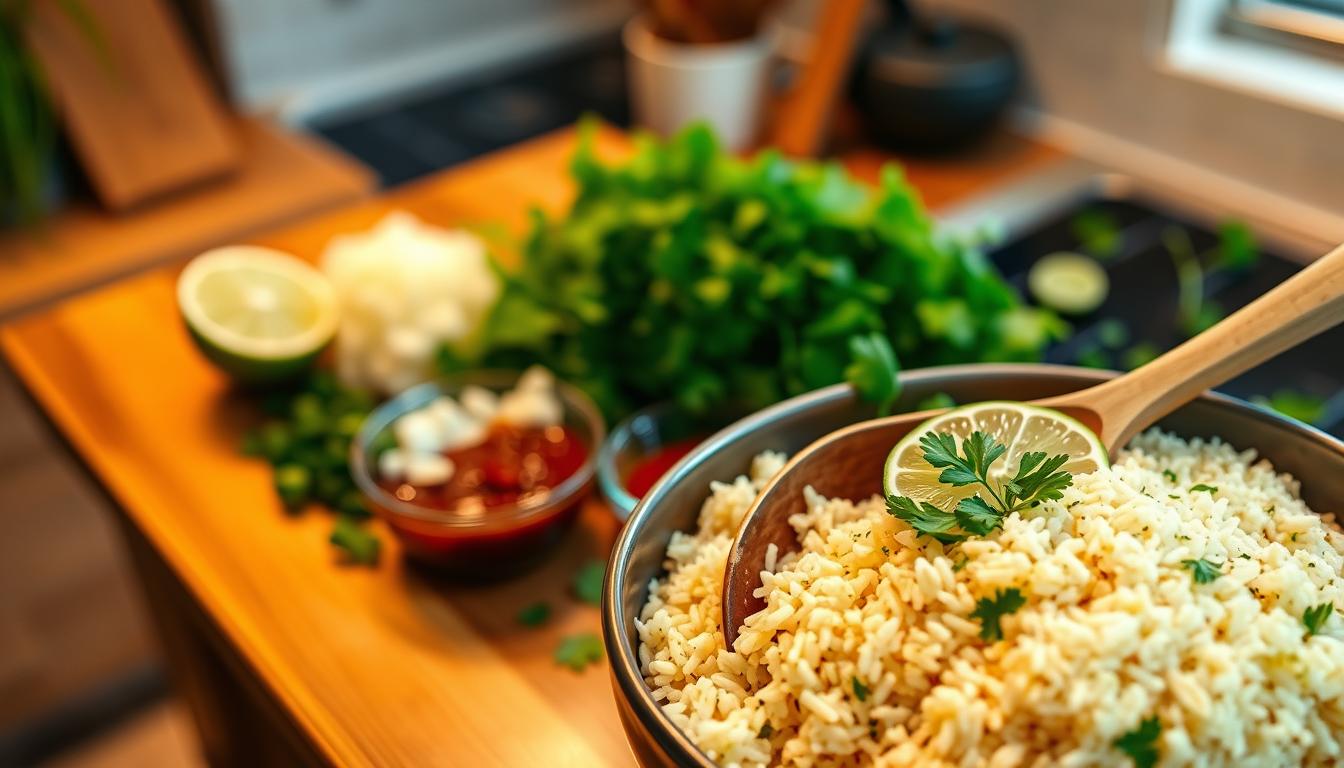
How To Make Chipotle Rice
You are about to cook a fluffy, bright cilantro lime side that echoes a popular chain’s flavor. This chipotle copycat keeps things simple. It uses long-grain white rice, fresh lime juice, cilantro, salt, and a touch of olive oil.
Expect separate grains and a lively citrus finish. Total time is typically about 20-25 minutes, so you can plan dinner without guessing. The main method is stovetop, with notes for a rice cooker and Instant Pot for busy nights.
In everyday kitchens, this recipe serves burrito bowls, tacos, or an easy side. Common slip-ups include mushy results from wrong water ratios, dull citrus from bottled juice, and wilted cilantro from mixing too early.
Most ingredients are pantry staples and the technique is straightforward once you learn the key steps. Read on for the full method and quick tips that help you get consistent results at home.
What Makes Chipotle-Style Cilantro Lime Rice So Addictive
Little details—clean grains, a splash of fresh lime, and leafy cilantro—turn plain rice into something memorable. The trick is texture first, then bright flavor. Keep steps simple and your result will taste like a classic copycat bowl.
Fluffy grains and rinsing
Your goal is fluffy, separate grains, not sticky clumps. Rinse the uncooked rice until the water runs clear. Washing removes surface starch that makes rice gluey.
Citrus that wakes the dish
Fresh lime juice wakes up neutral rice. Squeezed lime tastes sharper and livelier. Bottled juice can read dull or slightly bitter, so use fresh for the restaurant-style tang.
The role of cilantro
Cilantro is the signature touch. Add tender stems with the leaves for that authentic chipotle copycat aroma. Stir the herbs in right before serving so they stay bright and green.
| Element | Fresh | Bottled or omitted |
|---|---|---|
| Citrus | Vibrant lime juice; sharp, bright | Flat or slightly bitter flavor |
| Cilantro parts | Leaves + tender stems; aromatic | Leaves only; milder aroma |
| Texture | Rinsed until water runs clear; separate grains | Unrinsed; stickier clumps |
Ingredients and Tools You’ll Need for Cilantro Lime Rice
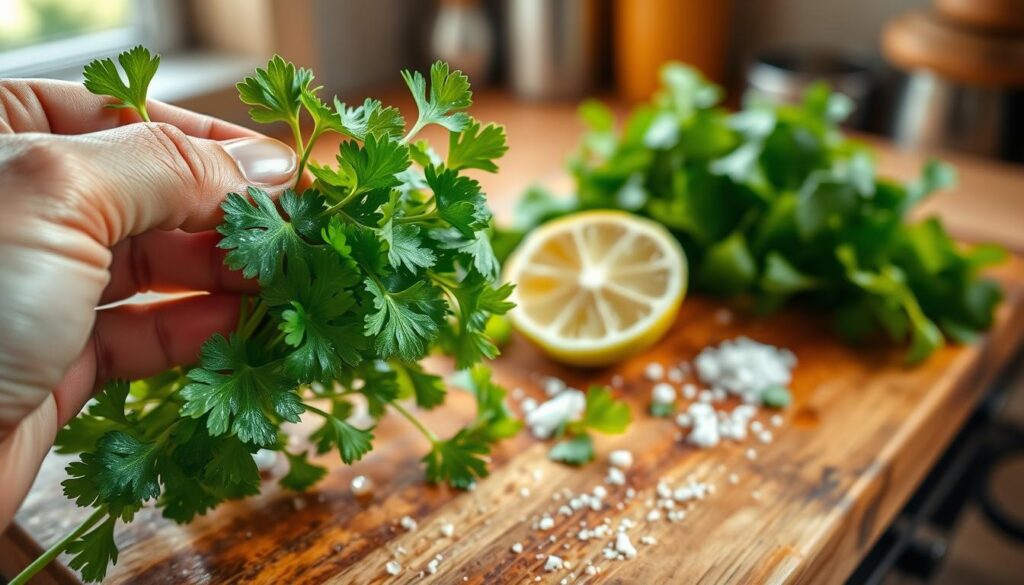
Start with good rice and clean water; the rest is small choices that add up to restaurant-style results.
- Core ingredients: white rice, water, salt, olive oil, chopped cilantro, and lime juice.
- Typical measure: 1 cup long-grain white rice to 2 cups water (or broth) for a single batch.
Best grain choices
Long-grain white rice gives the light, separate texture you want. Use jasmine rice for fragrant notes or basmati rice for a slightly nutty feel.
Optional upgrades
Add a little lime zest for aroma. Toss in a bay leaves or a splash of lemon juice for layered citrus. Swap broth instead of water for deeper savory flavor—watch the salt if you do.
| Item | Why it helps | Notes |
|---|---|---|
| Pot with tight lid | Even steam, steady heat | Small heavy pot works best |
| Fine-mesh strainer | Rinse grains clean | Removes excess starch |
| Fork and bowl | Fluff and finish | Mix in chopped cilantro and lime |
How To Make Chipotle Rice on the Stovetop
With a short cook time and a tight lid, the stovetop gives consistent, fluffy results every time.
Rinse first: Place the grains in a fine-mesh strainer and rinse under cold water until the runoff is clear. Clear-ish water means less surface starch and lighter texture.
Boil: Add the rinsed rice, 2 cups water per cup rice, a splash of olive oil, and a pinch of salt to a medium pot. Bring to a boil over medium-high heat. Let it boil until the water just skims the top of the grains.
Simmer and rest: Cover, reduce heat to low, and simmer without lifting the lid for about 15 minutes. Turn off the heat and keep the pot covered for 5–10 minutes so steam finishes cooking the rice.
Finish and season: Transfer the cooked rice to a bowl and fluff with a fork. Toss with fresh lime juice, chopped cilantro (include tender stems), and the remaining oil. Taste and add a touch more lime or cilantro if you like.
Quick Methods: Rice Cooker and Instant Pot Options
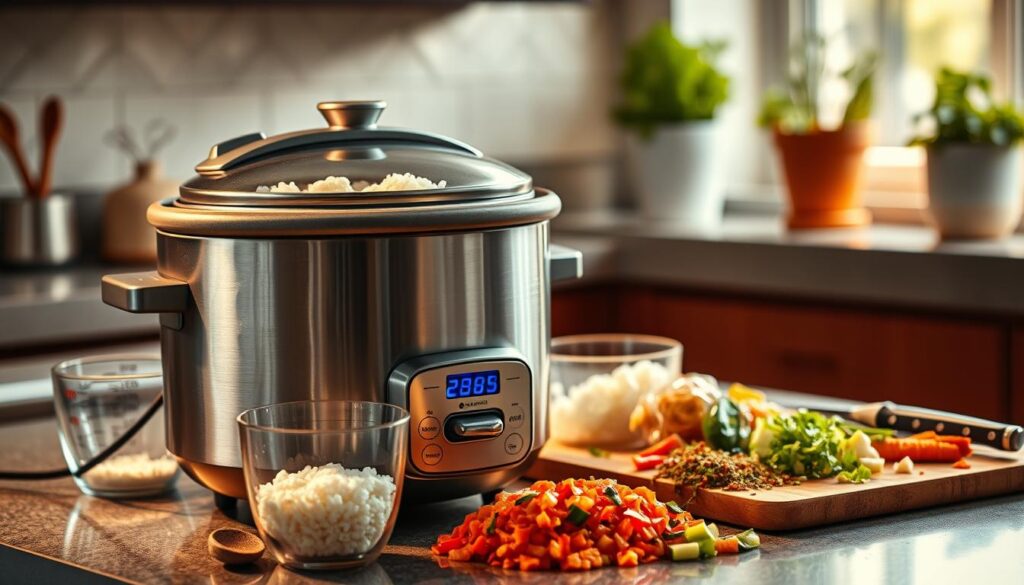
When weeknight time is tight, an appliance can handle the cooking while you finish the rest of the meal.
Rice cooker notes and timing
Measure rice and water by the cup. A common ratio is about 1 cup rice to 2 cups water. Add a pinch of salt and, if you like, one bay leaves at the start so the grains pick up a gentle savory note as they cook.
When the cooker finishes, fluff the grains and remove the bay leaves. Wait and stir in cilantro right before serving so the herbs stay bright instead of wilting.
Instant Pot overview
The Instant Pot is a hands-off alternative for busy cooks. Use the same per-cup ratio, pressure cook briefly, then let steam release naturally for a few minutes.
Transfer to a bowl, fluff, then fold in lime juice and chopped cilantro for that clean citrus-and-herb finish.
| Method | Why use it | Quick tip |
|---|---|---|
| Rice cooker | Set-and-forget; keeps warm for serving | Add bay leaves at start; add cilantro at serving |
| Instant Pot | Fast, reliable pressure cooking | Natural release, then fluff and finish with lime |
| Hosting tip | Keep on warm in cooker until ready | Add fresh cilantro just before the table |
For a detailed pressure option, see the pressure cooker method.
Pro Tips for Perfect Texture and Flavor Every Time
These simple habits keep your bowl consistent, week after week, so every batch turns out the same.
Liquid rule: Use about 2 cups water for each 1 cup of dry grain. That 2 cups per cup ratio is repeatable and removes guesswork.
Don’t stir while cooking
Once the pot is simmering, leave it alone. Stirring breaks grains and releases starch. That is the quick path to sticky results.
Fluff and rest
Turn off the heat and keep the lid on for 5–10 minutes so steam finishes the job. Then fluff gently with a fork. Use a light touch. This separates grains without crushing them.
Seasoning and cilantro tips
Salt changes depending on whether you add broth instead of water. If you use broth, add salt slowly and taste. Fresh cilantro should be mixed in right before serving so it stays bright and green.
| Tip | Why it helps | Timing |
|---|---|---|
| Consistent ratio | Predictable texture | Start of cook |
| No stirring | Protects separate grains | During simmer |
| Rest and fluff | Even finish and loft | 5–10 minutes off heat |
Easy Variations for Different Diets and Pantry Swaps
A few simple swaps let you keep the familiar cilantro lime finish while changing the base for nutrition or convenience. These options help on busy weeknights and when pantry items run low.
Brown grain option
Use brown rice for a nuttier bite and extra fiber. Expect longer cook time and a bit more water. Once it’s tender, season the same way with lime juice, cilantro, and a touch of oil.
Leftover shortcut
If you have cooked rice on hand, warm it gently, then fold in fresh lime juice and chopped cilantro. This refreshes leftovers into a bright side fast—perfect for a quick meal at home.
Low‑carb swap and pantry swaps
For a lighter bowl, pulse cauliflower into small bits and sauté briefly. Finish with cilantro lime for a similar flavor in a lower‑carb base.
If you’re out of limes, use lemon juice as a stand‑in. The method stays the same; the citrus note shifts slightly but remains bright.
| Base | Cook time | Seasoning note |
|---|---|---|
| Brown rice | Longer | Same lime and cilantro finish |
| Cooked leftovers | Quick | Warm, toss with lime juice |
| Cauliflower | Fast sauté | Cilantro lime for low‑carb |
How to Serve Chipotle Rice for Burrito Bowls, Tacos, and More
A neutral, citrus-kissed grain gives your meals a clean backdrop that plays nice with bold proteins. Use it as a base for a burrito bowl base or as a simple side for grilled meats and seafood.
Best uses
Layer the bowl with beans, corn salsa, and your favorite protein. It works well as a burrito filling because the grains stay fluffy and separate.
Serve family-style as a side dish with chicken, steak, shrimp, or fish. The rice supports richer mains without stealing the show.
Finishing touches
Set out lime wedges so everyone adds lime juice to taste. Sprinkle chopped cilantro over the top right before serving for freshness and color.
A small drizzle of olive oil helps carry flavor and keeps the grains silky, especially if the rice was made ahead.
| Serving option | Best pairings | Quick tip |
|---|---|---|
| Burrito bowl base | Beans, barbacoa, carnitas | Warm rice, then layer toppings |
| Burrito filling | Chipotle chicken, cheese, salsa | Keep grains fluffy to avoid paste |
| Side dish for meals | Grilled steak, shrimp, fish | Garnish with extra cilantro and lime |
| Taco bar | Various proteins and salsas | Offer bowls for build-your-own nights |
Storing, Freezing, and Reheating So It Tastes Fresh Again
Leftovers can taste nearly fresh again with a few simple steps.
Cool the batch quickly, then seal it in an airtight container so it does not dry out or pick up fridge smells. Store in the refrigerator for 3–5 days for best quality.
Freeze portions in flat bags if you need longer storage. Freeze for up to two weeks for peak texture, or up to three months if wrapped and labeled well.
Reheat in the microwave with a splash of water—about 1–2 tablespoons per serving—and heat in short intervals, stirring between rounds. On the stove, warm gently over low heat with a little water, stirring so nothing sticks.
Taste after reheating and add a squeeze of lime if brightness is needed. Add chopped cilantro right before serving so the herbs stay fresh. For serving a crowd, keep warm in a rice cooker and add cilantro near service time.