How To Make Chipotle Chicken
You can reproduce that smoky, slightly spicy bird at home without fuss. This recipe gives two clear paths: a quick spice rub for weeknights, or a blended adobo sauce when you want deeper, restaurant-style flavor.
High heat matters. Searing at around 425°F creates lightly charred edges while locking in juices. Aim for an internal temp of 165°F, then rest before slicing or chopping.
Pick your tool. Oven, grill or skillet all work well. Each method shifts the cook time and surface char, but the goal stays the same: juicy pieces ready for bowls, tacos, or salads.
This guide also covers slicing, storage and reheating so leftovers stay tender. You can dial the spice up or down for family tastes. The approach is budget-friendly and weeknight-ready, with clear steps that keep results consistent.
What Makes Chipotle Chicken So Flavorful (and What to Expect at Home)
A true chipotle-style bird balances smoky heat, bright acidity, and savory spices. That trio gives you the deep, layered flavor people look for in bowls and tacos.
Peppers in adobo vs chile powder
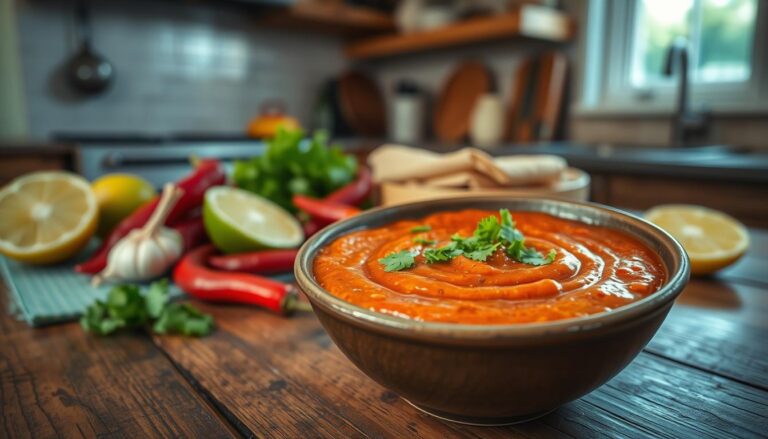
Peppers in adobo bring smoky, tangy, saucy depth. Blend them with oil, lime, garlic, and vinegar for a marinade that can sit for hours.
Powdered chipotle is dry and punchy. Use it in a rub when you need a quick, bold crust before a high-heat roast or sear.
Thighs or breasts: picking the right cut
Thighs offer more fat and give forgiving, juicy results at high heat. They handle quick sears and grills without drying out.
Breasts are leaner and milder. Choose them for lower fat meals, but watch thickness and timing to avoid dryness.
| Attribute | Adobo | Powder Rub |
|---|---|---|
| Flavor depth | Deeper, tangy | Bright, dry |
| Prep time | Longer if marinated | Quick rub-and-bake |
| Best with | thighs, grill | thighs or breasts |
Ingredients You’ll Need for a Chipotle Chicken Recipe
Pick simple staples—fresh citrus, garlic, oil, and a few warm spices—and you’re nearly there.
- 1.5–2 lbs boneless skinless chicken thighs (or breasts/tenderloins)
- 2–3 chipotle peppers in adobo plus 2 teaspoons adobo sauce
- 2 limes (juice and zest), 3–4 garlic cloves
- 3 tablespoons olive or vegetable oil, 1 tablespoon white vinegar
- Spices: 1 tsp ground cumin, 1 tsp oregano, 1 tsp smoked paprika
- 1 tsp garlic powder, 1 tsp chili powder, salt and black pepper
- Optional: 1–2 teaspoons honey for balance
Why thighs? Boneless skinless cuts hold moisture and take high heat well. Breasts or tenderloins work if you shorten the cook time.
For chipotle plus adobo, blend whole peppers for a saucy marinade. Or use just the sauce for smoky depth without chunks.
| Ingredient | Role | Swap |
|---|---|---|
| Lime | Tenderizes, brightens | Rice vinegar |
| Garlic | Flavor base | Garlic powder |
| Cumin | Earthy warmth | Ground coriander |
Kitchen Tools and Prep Setup for Fast Cooking
Get your station set so cooking moves smoothly from mix to resting without last-minute scrambling.
Start with a large bowl for seasoning and a blender or food processor when you want a smooth adobo sauce. Use the bowl for quick spice rubs and tosses. That keeps steps fast and tidy.
- Line a sheet pan with foil or parchment for 425°F roasting and easy cleanup.
- Trim excess fat and space pieces so they roast instead of steam.
- Cast-iron skillet is your weeknight workhorse for browning. A grill or flat-top gives the best restaurant-style char.
- Use an instant-read thermometer so you hit 165°F with no guessing.
| Tool | When to use it | Why it matters |
|---|---|---|
| Bowl | Coating and resting | Makes even seasoning and easy handling |
| Blender / Processor | Sauces and marinades | Smooth, emulsified adobo |
| Skillet / Grill | Sear or char | Better crust and smoky notes |
For a full method and packing tips for meal prep, see this chipotle chicken recipe guide.
How To Make Chipotle Chicken Step by Step
Follow a calm, step-by-step rhythm and you’ll have seasoned, juicy meat ready for bowls or tacos in under an hour.
Make the sauce or spice rub
If you choose the blended route, toss peppers in a processor with lime, garlic, oil, and spices. Blend about two minutes until smooth. That yields a saucy, deeper flavor that clings well when marinated.
For a quick rub, mix oil with smoked paprika, cumin, oregano, garlic powder, salt, and pepper. Rub the mix over pieces and let it sit briefly while you preheat the pan or oven.
Add chicken and coat evenly for maximum flavor
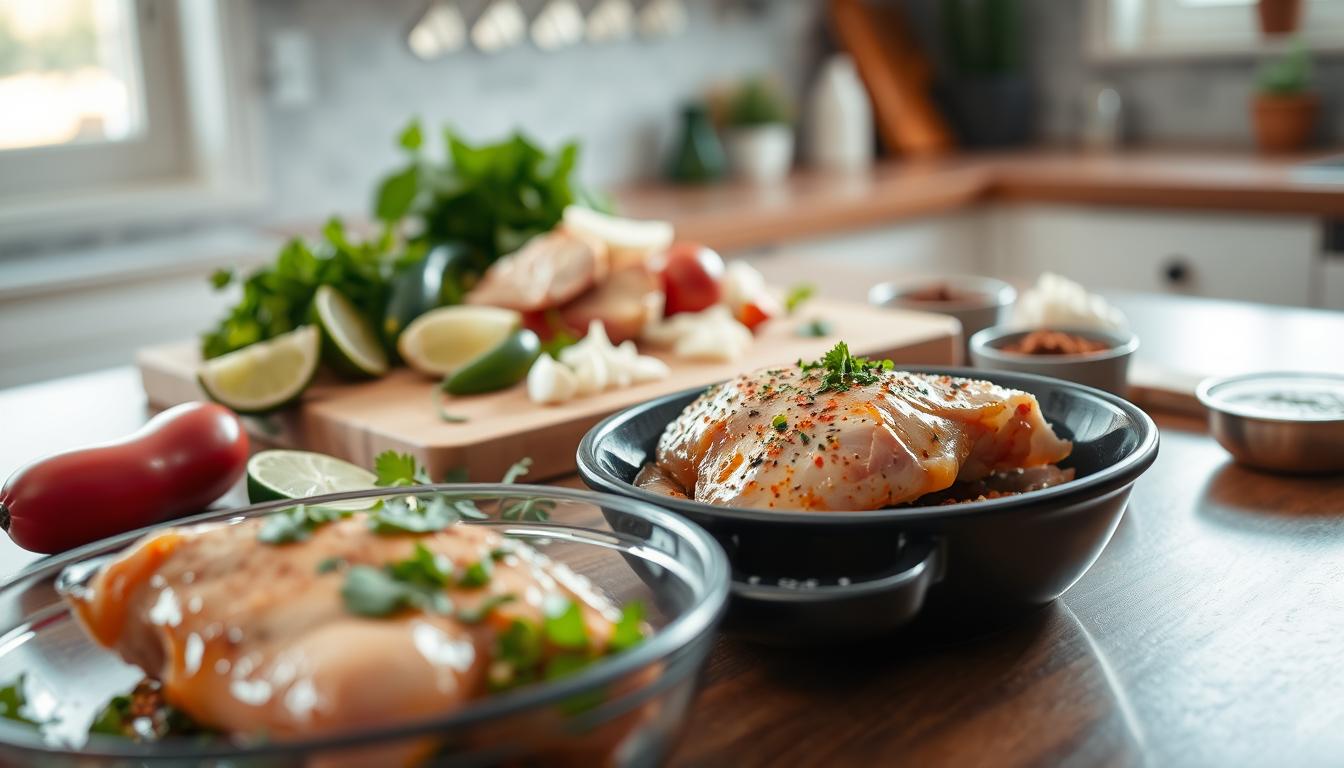
Place pieces in a bowl. Pour sauce or sprinkle rub and toss with your hands or tongs. Work in batches if needed so every piece gets full coverage.
Arrange the pieces with space between them so heat chars the surface instead of steaming the meat.
Rest, slice, or chop for tacos, bowls, and meal prep
Cook until the internal temperature reaches 165°F, then rest five to eight minutes. Resting lets juices redistribute so slices stay moist.
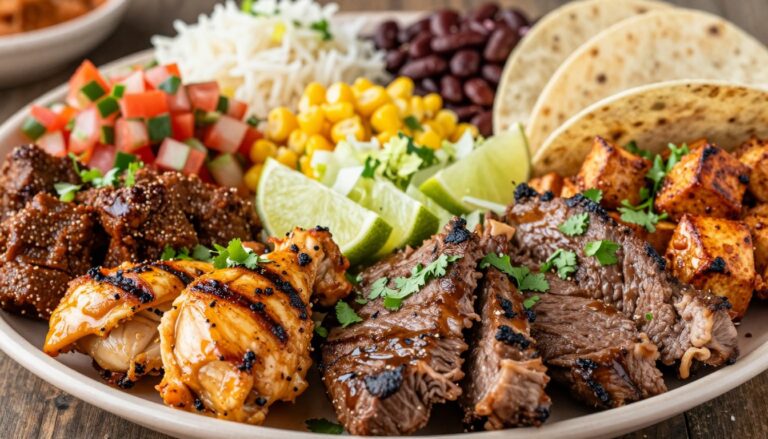
Slice thin for salads, chop into bite-size chunks for burrito bowls, or cut smaller for tacos. This is a base protein meant for rice, beans, and toppings—bold seasoning works well.
| Prep Path | Prep Minutes | Best With |
|---|---|---|
| Blended adobo sauce | 10–15 minutes (including blend) | Marinate, grill, or roast for deeper flavor |
| Oil-and-spice rub | 5–7 minutes | Quick sear or oven roast for weeknights |
| Coating technique | 2–3 minutes tossing | Even seasoning for every bite |
Choose Your Cooking Method: Oven, Grill, or Skillet
Your choice of oven, grill, or skillet shapes crust, smoke, and hands-on minutes. Each method works with thighs, breasts, or tenderloins. Pick the one that fits your tools and the time you have.
Oven-baked at 425°F for charred edges in minutes
Roast at 425°F for about 30–35 minutes, flipping once halfway. High heat drives browning and gives lightly charred edges without a grill. Tenderloins finish faster—20–25 minutes—so check early.
Grill or flat-top for a smoky, restaurant-style sear
Heat the grill to medium-high. Grill about 6–8 minutes per side for regular pieces. Oil the grates so meat won’t stick. You get classic smoke and grill marks with less fuss.
Cast-iron skillet instructions for weeknight cooking
Use a steady medium-high heat on a flat-top or skillet. Sear 5–6 minutes per side until well browned. Watch spices so they don’t scorch. Thighs are forgiving; breasts need closer timing.
| Method | Typical Time | Best Cuts | Key Tip |
|---|---|---|---|
| Oven (425°F) | 30–35 minutes (flip once) | Thighs, breasts, tenderloins | High heat for charred edges |
| Grill / Flat-top | 6–8 minutes per side | Thighs, breasts | Oil grates; medium-high for smoke |
| Cast-iron skillet | 5–6 minutes per side | Thighs, breasts | Steady heat; don’t overflip |
Always rest the meat five to eight minutes before slicing. Resting keeps juices in the pieces you’ll add to bowls, tacos, or salads.
Timing, Temperature, and Doneness (So You Don’t Overcook)
Timing and temp are the simple anchors that turn a good roast into a reliable one.
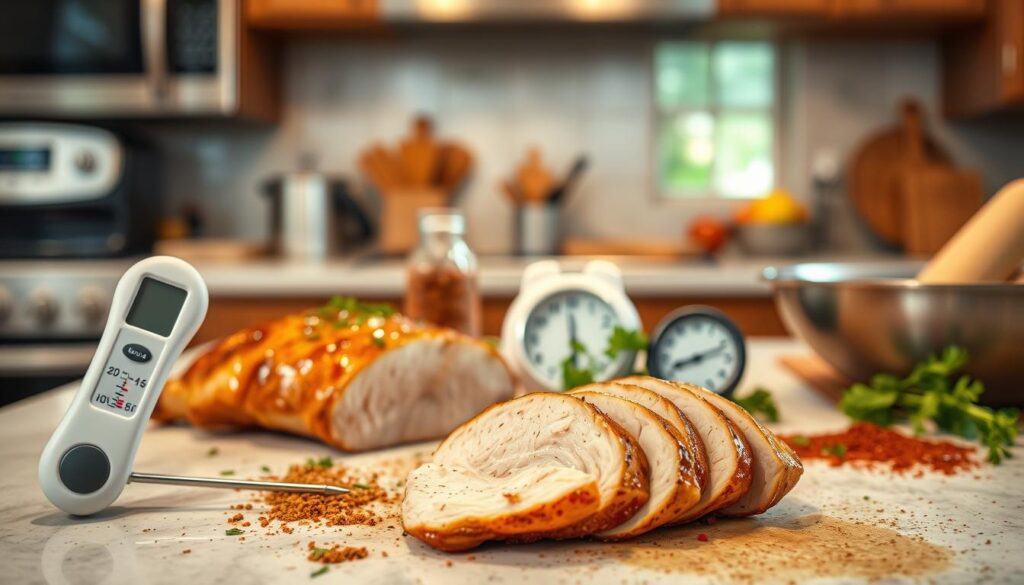
Always aim for 165°F in the thickest part of the meat. Use an instant-read thermometer. That removes guesswork and keeps food safe.
Typical oven times at 425°F depend on cut and thickness. Thighs usually need about 30–35 minutes. Pounded breasts finish near 15–20 minutes. Tenderloins take about 20–25 minutes.
On the grill expect about 6–8 minutes per side for thighs. Tenderloins often need 3–4 minutes per side.
- Thicker pieces need more time than thin ones. Measure the thickest spot.
- Thighs tolerate extra minutes because of added fat and connective tissue.
- Breasts dry out fast if overcooked. Watch their minutes closely.
- For a crispier exterior, finish under the broiler for about 2 minutes once the meat reaches 165°F.
Visual checks help. Juices should run clear. Texture should be firm but not hard. Spice-heavy coatings can look dark before the meat is done. Trust the thermometer.
| Cut | Oven (425°F) | Grill (per side) | Finish |
|---|---|---|---|
| Thighs | 30–35 minutes | 6–8 minutes | Rest 5–8 minutes |
| Breasts (even thickness) | 15–20 minutes | 6–8 minutes | 2-minute broil optional |
| Tenderloins | 20–25 minutes | 3–4 minutes | Rest 5 minutes |
For a complete step-by-step reference and marinade ideas, see this copycat recipe guide.
Flavor Variations and Heat Control (Mild to Spicy)
Small swaps and smaller measurements let you steer the heat exactly where you want it. This keeps the smoky profile while making the dish family-friendly.
Adjust the pepper and adobo
Use 2–3 tablespoons of adobo sauce instead of 4 for milder heat. Cut back by one or two teaspoons of chipotle or chipotle chile powder in your rub.
Swap for gentler chili
Try ancho chili powder for a richer, milder warmth. It keeps a Tex-Mex feel without extreme burn.
Balance seasoning
Lean on cumin for warm depth. Add garlic powder for savory notes and a pinch of black pepper for bite. Increase lime or a touch of honey if the mix needs brightening instead of more heat.
Note: leaner cuts can taste hotter since fat softens spice. If you use breasts or tenderloins, reduce chili and add a little oil or yogurt when marinating.
| Change | Amount | Effect |
|---|---|---|
| Adobo sauce | 2–3 tablespoons | Mild smokiness, less burn |
| Chipotle powder | Reduce 1–2 teaspoons | Less sharp heat, same smoke |
| Ancho chili powder | 1–2 teaspoons | Gentle, rich chili flavor |
How to Serve Chipotle Chicken for Meals All Week
A single batch of smoky, seasoned chipotle chicken can feed lunches and dinners for days. Keep the meat as your base protein and swap sides so meals feel fresh.
Burrito bowl template
Start with cilantro-lime rice and black or pinto beans. Add sautéed fajita veggies and pico de gallo.
Top with guacamole and chopped chipotle chicken. Finish with a squeeze of lime and a sprinkle of cheese for balance.
Handhelds and leftovers
Use warmed tortillas for tacos or burritos. Layer meat, shredded cheese, and a quick slaw.
For quesadillas, fold chicken and cheese into a tortilla and warm until melty. Cut into wedges for easy lunches.
Salads and fresh toppers
Pile greens, corn salsa, and roasted peppers. Add warm chicken for a hearty salad with a chipotle-honey vinaigrette.
Brighten every plate with chopped herbs, extra lime, or a spoonful of chimichurri. Those fresh notes revive the smoky flavor on day three.
- Mix-and-match sides so the same protein feels new each night.
- Prep a bowl station for quick assembly all week.
- Use sauces and herbs as finishing touches rather than heavy reheating.
| Meal | Key Sides | Finish |
|---|---|---|
| Burrito bowl | Cilantro-lime rice, beans, pico | Guacamole, lime |
| Tacos / burritos | Tortilla, slaw, cheese | Hot sauce or crema |
| Salad / quesadilla | Greens or tortillas, corn salsa | Chipotle-honey or chimichurri |
Storage, Meal Prep, and Reheating Without Drying It Out
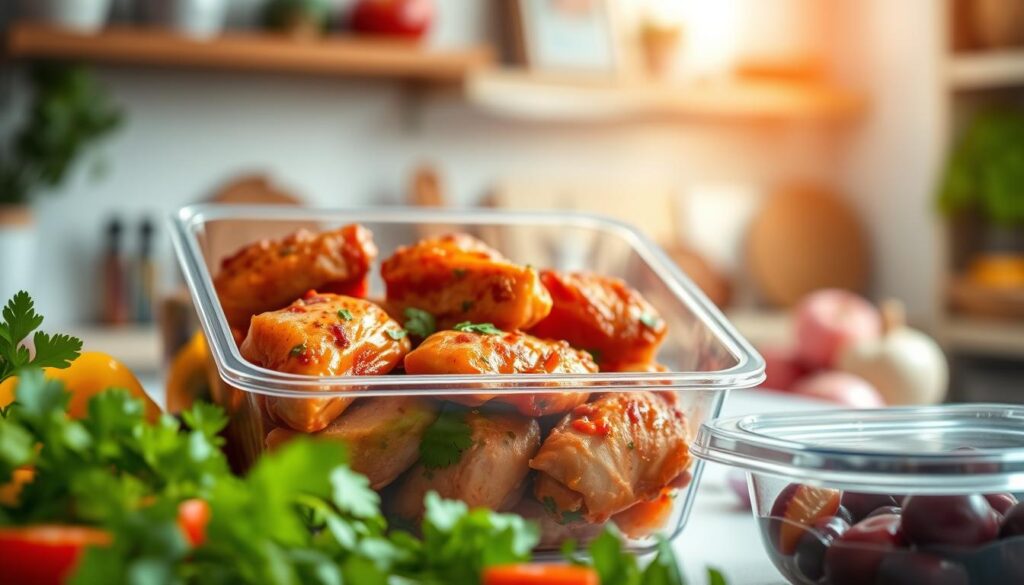
Treat leftovers right and reheating won’t steal the juiciness you worked for. Let pieces cool briefly, then move them into an airtight container and chill. That step prevents bacteria and keeps texture steady in the refrigerator.
Refrigerator storage
Store cooled chicken in a sealed container in the refrigerator for 3–4 days. Slice or chop before storing. Smaller pieces cool faster and make quick lunches easier.
Freezer tips
If you freeze portions, wrap tightly and label the date. Use within three months for best flavor and avoid freezer burn.
Reheating for juiciness
Reheat gently. Microwave in short bursts with a splash of water or a squeeze of lime. Or warm over low heat in a covered skillet for a few minutes until hot through. Avoid blasting with high heat; that firms the meat and dries it.
- Chop first for faster thawing and even reheating in the refrigerator.
- Seal containers well and label with the date before freezing.
- Serve reheated pieces with fresh salsa, guacamole, or a quick dressing for best results.
| Storage | Place | Use |
|---|---|---|
| Airtight container | Refrigerator | 3–4 days |
| Sealed bag / wrap | Freezer | Up to 3 months |
| Sliced portions | Fridge or freezer | Faster thawing, quick reheats |
These steps help your chipotle chicken stay tender and ready for easy, satisfying meals all week.
Your Next Batch Will Taste Even Better
With every try, you’ll learn a few tweaks that push this from good to your kind of great. Treat this chipotle chicken recipe as a base you can refine.
Change one thing at a time. Try a pinch more cumin, a touch less adobo, or a quick broil finish. That helps you see what each tweak does.
Cooking surface matters. A seared cast-iron or a hot grill gives different char and juiciness. Note which you prefer.
Keep a short note on your phone with exact spice amounts and the best cook time. It makes the next batch faster and more consistent.
When you have time, double the chicken recipe and portion for bowls, tacos, and salads. Leftovers make busy nights simple.
Once you’ve made this recipe once, the next batch will feel easier, taste more like “yours,” and slide neatly into the week.