Panda Express Gluten Free Menu
You want quick answers at the counter or when packing for a trip. This short guide sets expectations so you can pick wisely. You will learn which items are naturally without gluten by ingredients, and why cross-contamination is a real risk in this kitchen.
Start simple: a few sauces, steamed white rice, brown rice, drinks, and one kid’s snack tend to be the safest picks. Most proteins and entrees contain wheat or are cooked on shared equipment.
This guide helps travelers and families decide fast. You’ll get a clear list of safer choices, common problem areas, and tips to ask staff. Use the official ingredient list at the location to confirm, since recipes and availability can change.
Keep one key idea in mind: “gluten-free by ingredients” is not the same as safe for celiac. Read labels, ask questions, and pick sides and sauces when you need lower-risk comfort cuisine on the go.
What to know before ordering gluten free at Panda Express in the United States
Knowing the difference between gentle avoidance and strict medical need changes your choices here.
If you follow a gluten-free diet for comfort, your risk tolerance may be higher than someone with celiac disease. That matters because this chain does not operate a dedicated gluten-free line. You rely on ingredient lists and staff practices, not separate cooking stations.
For people with high sensitivity or celiac disease, shared woks, fryers, and utensils make many items too risky. Limited options can still be a firm “no” when cross-contact is likely.
Gluten-free friendly choices in real life tend to be simple: steamed rice, some packaged snacks, and sealed sauces. Most entrees and anything breaded are not safe. Later sections list specific items you can order, those to avoid, and exact questions to ask staff so you aren’t guessing at the register.
- Clarify your need: comfort avoidance vs. strict medical need.
- Understand there is no special gluten-free menu; check ingredient PDFs at U.S. locations.
- Use basic sides and sealed items when you need lower-risk picks.
Is Panda Express gluten free, or just gluten-free friendly?
Deciding whether a chain is truly safe can hinge on a few hidden ingredients and how food is handled.
Where gluten shows up most often: soy sauce, wheat flour, marinades, and batters
Most of the gluten you’ll find comes from soy sauce. Traditional soy sauce often contains wheat and appears in many sauces and marinades.
Wheat flour also shows up in breading, batter, and thickened sauces. Even plain-looking meat and veggies can contain flour from a batter or sauce coating.
Why shared cooking areas make “gluten-free by ingredients” different from “gluten-free safe”
Food is prepared fresh on shared woks and with shared utensils. That fast, open cooking style makes cross-contamination easy.
- Traditional soy and soy-based sauces can contain wheat and spread to other dishes.
- Breading and wheat flour hide in many favorites, even if not obvious.
- “Gluten-free by ingredients” means no listed wheat, not that the kitchen prevents contact.
Buyer’s takeaway: if you need zero exposure for health reasons, this kitchen is high risk. The lowest-risk picks are basic sides, sealed items, and sauces you can verify. The next section lists those safer choices.
Panda Express Gluten Free Menu: the limited items that are naturally gluten-free
When you need a plain plate, a few basic items keep things straightforward and lower-risk. Below is a quick yes-list and short notes so you can scan and decide fast.
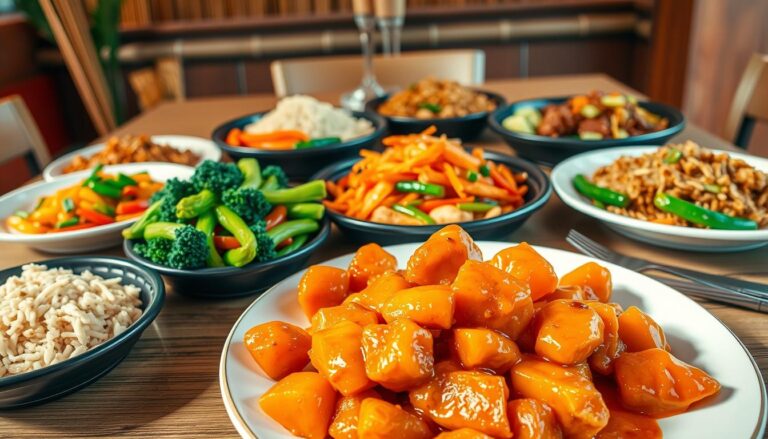
Steamed White Rice
Steamed white is a safe base by ingredients. It’s simple, not tossed in soy, and avoids batter or fryer use.
Brown Steamed Rice
Brown steamed rice offers the same low-risk profile with a bit more texture. Both rices pair well with a single sauce and make easy meals.
Sweet & Sour, Chili, Plum, Hot Mustard
Sweet & sour is tangy and fruity, great for dipping. Chili sauce adds heat. Plum sauce is sweet and thick. Hot mustard brings sharp, spicy notes.
Confirm labels at the counter since packets and prep can change. Use sauces sparingly to lower cross-contact risk.
Drinks and Kids’ Pack
All fountain drinks and brewed teas are sealed at the point of service and safe by ingredients. Tree Top Apple Crisps in the Cub Meal are packaged, which reduces exposure compared to open pans.
- Quick yes-list: steamed white rice; brown steamed rice; four sauces above; drinks/teas; Tree Top Apple Crisps.
| Item | Notes | Price (varies by location) |
|---|---|---|
| Steamed white rice | Simple base, low ingredient risk | Check panda express menu for ZIP pricing |
| Brown steamed rice | Whole-grain option, same prep cautions | Price varies |
| Sweet & Sour, Chili, Plum, Hot Mustard | Packaged or ladled sauces — confirm label | Price varies |
| Drinks / Tree Top Apple Crisps | Sealed items lower risk for families | Price varies |
Buyer’s caveat: even these ingredient-safe items can see cross-contact in a busy line. Ask staff about utensils and avoid shared scoops when your need is strict.
Gluten-free sauces at Panda Express and how to use them safely
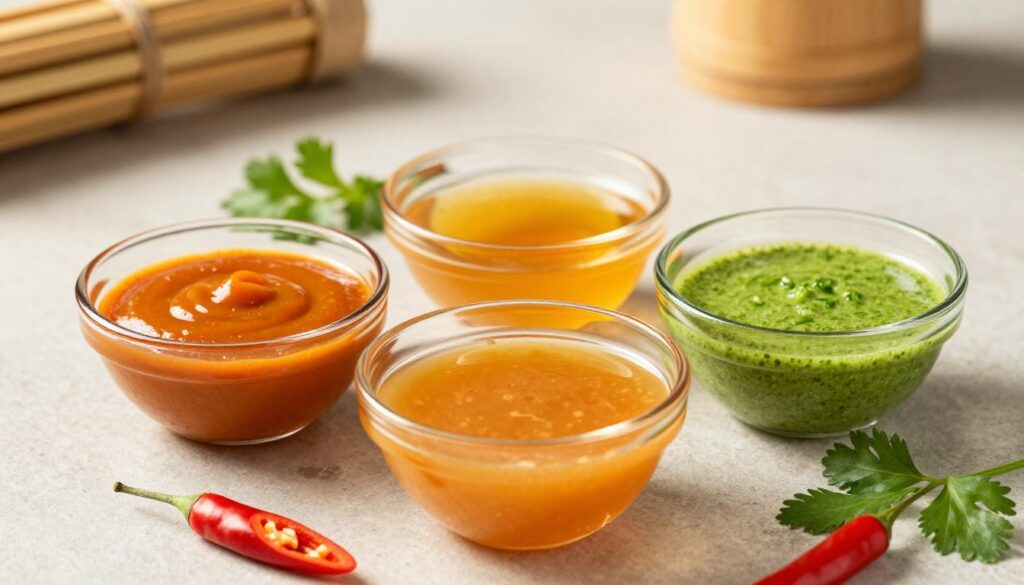
A small selection of sauces gives you the most flavor with the least risk at the counter.
Best pairings with steamed rice for a simple gluten-free meal
Make a satisfying plate by pairing steamed white or brown rice with one or two sauces. Sweet & Sour adds bright, tangy comfort. Chili sauce brings heat. Plum sauce offers mellow sweetness. Hot Mustard cuts through for a sharp bite.
What to confirm on labels and packets at your location
Prefer sealed packets when available. They reduce contact risk compared with ladled sauce.
- Check ingredient lists for wheat or traditional soy sauce.
- Read allergen statements for hidden wheat mentions.
- Avoid ladled sauces if the same utensil serves breaded or fried items.
When you ask staff, be calm and direct. Say what you need and accept practical limits. Sauces add flavor, but they cannot erase cross-contact if rice, utensils, or pans are shared.
Cross-contamination risks in the Panda Express kitchen
Busy service lines and open woks make cross-contact a real possibility even for simple orders. Fast cooking, quick handoffs, and close pans raise the chance that one plate touches another.
Shared woks, fryers, and utensils
Many items use the same woks and the same utensils. A single scoop or spatula can move crumbs or sauce from a battered dish to a plain side.
Shared oil and the hidden risk with fried items
Fryers and oil carry residue. Even if you do not order fried items, oil droplets and fryer baskets can transfer wheat-based crumbs into other foods.
What “prepared fresh with shared equipment” means for allergen exposure
That phrase means the kitchen is not promising separation. Ingredient-safe items may still contact gluten during prep or service.
- Real-world setup: dishes cook and pass near each other on one line, so cross-contamination is common.
- Biggest risks: shared woks, shared fryers, and shared utensils touching battered proteins, noodles, or soy-based sauces.
- If you react to traces of gluten, this kitchen setup is a strong reason to skip it. For mild sensitivity, focus on plain sides, request clean utensils, and accept some risk.
What to avoid: Panda Express menu items that contain gluten
When you need to avoid wheat, a simple rule helps you decide fast. If an item is breaded, battered, wrapped, noodle-based, or soy-sauce-heavy, skip it.
Breaded and battered proteins are an automatic red flag. Most coatings use wheat flour. Fryers and shared utensils spread crumbs and crumbs spread wheat to other dishes.
Noodles and wrappers are usually made with wheat. Chow mein-style noodles, egg rolls, and rangoons generally contain wheat and should be avoided.
Sauces can be sneaky. Many marinades and stir-fry sauces use soy sauce that contains wheat. That soy sauce can appear in dishes that look simple, like vegetable or beef plates.
- Skip-list framework: breaded, battered, noodle, wrapped, or soy-sauce-heavy items.
- Breaded proteins: likely contain wheat flour and share fryers.
- Noodles/wrappers: typically wheat-based and common in many dishes.
- Sauces: check for soy sauce that contains wheat in marinades and thickeners.
| Type of item | Why to avoid | Typical examples |
|---|---|---|
| Breaded / battered | Uses wheat flour; shared fryers increase cross-contact | Orange chicken, crispy shrimp, tempura-style pieces |
| Noodles & wrappers | Made from wheat; not safe by ingredients | Chow mein, egg rolls, wontons |
| Soy-sauce sauces | Soy sauce often contains wheat; used in marinades and sauces | Teriyaki, ginger soy, stir-fry sauces |
| Hidden flour/thickeners | Thickened gravies or glazes can contain flour | Some beef or sauce-heavy dishes |
Popular requests that are not gluten-free
Favorites at the counter often hide wheat in batters, sauces, and shared prep tools.
Orange Chicken: why it contains wheat and is not gluten-free
Orange chicken uses a proprietary batter that contains wheat flour. The sauce recipe also lists soy-based ingredients with wheat. For that reason, this iconic dish isn’t safe by ingredients or handling.
Why crispy chicken-style dishes are especially risky
Crispy chicken gets its crunch from wheat-based coatings. Fryers and shared oil spread crumbs. That doubles the exposure compared with non-breaded items.
Grilled Teriyaki Chicken: teriyaki sauce and shared utensils
Grilled sounds safer, but teriyaki sauce usually includes traditional soy with wheat. Shared tongs and ladles can still cross-contact the plate.
Fried Rice: soy sauce concerns
Fried rice is seasoned with soy. Even plain-seeming rice ends up with wheat-containing soy in the final prep.
Beef and Broccoli and Kung Pao Chicken: sauce and cross-contact
Beef and Broccoli is finished in a ginger soy sauce that lists wheat. Kung pao chicken has sauce and shared equipment risks, so both are unreliable for strict needs.
| Item | Why to avoid | Key risk |
|---|---|---|
| Orange chicken | Batter and sauce include wheat | Batter + soy sauce |
| Crispy chicken dishes | Wheat coating and fryer oil | Fryer cross-contact |
| Fried rice | Seasoned with traditional soy | Soy in final prep |
| Kung pao chicken / Beef and Broccoli | Sauces contain soy; shared utensils | Sauce + cross-contact |
Fortune cookies and dessert surprises: where wheat can hide
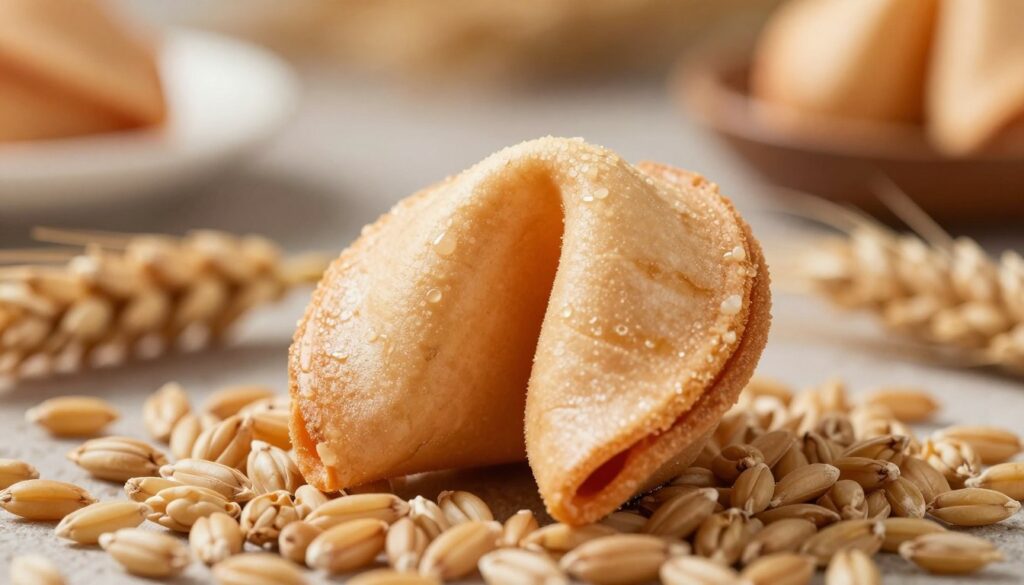
A small dessert can undo careful choices if it hides wheat in plain sight. You might skip sauces and fried items, then grab the cookie at the end. That quick habit matters.
Why the classic cookie is not safe
Fortune cookies list wheat on the package. They contain gluten, so they are not safe for strict needs. One bite can trigger a reaction for someone with sensitivity.
Be mindful of little extras. Desserts and single-serve snacks are common hidden sources of wheat. Treat them with the same care you give main plates.
- Common habit: grabbing the cookie without checking the label.
- Simple fact: fortune cookies contain wheat and are not gluten-free.
- Easy swap: skip the cookie and pick a packaged snack like kids’ apple crisps.
Keep the tone calm and practical. These small choices help you keep a safer, more confident panda express gluten-free or express gluten-free visit.
How to order with more confidence on a gluten-free diet
Ordering with confidence starts with a simple script and clear expectations at the counter. A calm approach helps staff respond and lowers your stress.
Ask about utensils, equipment, and prep practices
Politely ask if staff can use clean utensils and avoid scooping from pans touched by breaded or soy-sauce items. Say you need separate utensils for your plate.
Build the simplest lower-risk plate
Keep your meal basic: steamed white or brown rice, sealed sauce packets when available, and a bottled drink. This combo reduces contact points and keeps choices small.
When to skip for safety
If staff cannot confirm separation of utensils and equipment, or if you have celiac disease or a severe allergy, walking away is the safest choice. Cross-contamination is common in fast kitchens.
- Short script: “Can you use clean utensils and not scoop from pans that touched wheat?”
- Lower-risk plate: rice + sealed sauce + drink.
- Decision point: no confirmation → choose another option.
| Choice | Why | Action |
|---|---|---|
| Ask for clean utensils | Reduces cross-contamination | Request at counter |
| Simple plate | Fewer touchpoints | Rice + sealed sauce |
| Skip if unsure | Protects health | Find backup food or shop nearby |
Checking ingredients the smart way: allergen info and current ingredient lists
Doing a fast ingredient scan at home helps you avoid surprises at the register. A quick look at official lists points out the main risks so you can choose lower-risk options with confidence.
Using the official ingredient PDF before you go
Open the official ingredient PDF (https://s3.amazonaws.com/PandaExpressWebsite/files/IngredientList.pdf) and search for key words: wheat, soy sauce, or allergen statements tied to wheat. This step takes a minute and shows which items list wheat in their composition.
Why recipes and ingredients can change over time
Suppliers and recipes shift. An item you ate last month may list new ingredients now. That is why checking matters even if you are familiar with the menu.
- Pre-check at home: open the PDF and search for wheat and soy sauce.
- Two-step verification: check the PDF first, then confirm in-store packaging or label for sauces and sealed items.
- Know the signals: wheat, soy sauce with wheat, and batter are the main red flags to watch.
| Step | What to look for | Why it matters |
|---|---|---|
| PDF scan | Wheat, soy sauce, allergen notes | Shows ingredient-level risk |
| In-store check | Packaged labels, sealed sauce packets | Confirms current packaging |
| Ask staff | Utensils and prep practices | Addresses cross-contact risk |
Remember: items are made in a shared kitchen, so ingredient checking helps but may not be enough for strict medical needs. Use this short guide to spot the few ingredient signals that drive most risk and make safer choices when you visit panda express or review the panda express menu.
Better ways to get the flavor: gluten-free Panda Express-style meals at home
Recreating takeout at home gives you full control over ingredients and cookware. You get the same comfort without worrying about shared woks or utensils.
Gluten-free Orange Chicken copycat basics
Make a free orange chicken at home by swapping wheat flour for a gluten-free blend or cornstarch. Use tamari or a certified gluten free orange soy sauce in the glaze so the sweet-tang stays true.
Lightly coat and fry or oven-crisp the chicken. Toss in the hot glaze for the familiar sticky finish. You get crunch and flavor without risky cross-contact.
Kung Pao-style chicken at home with safer sauces
Keep the peppers, peanuts, and aromatics. Build the sauce with tamari, rice vinegar, and a touch of honey. That keeps the profile but removes hidden wheat from the soy component.
Batch-cook chicken and sauce separately. Reheat and assemble bowls with rice for easy weeknight dishes that suit a cautious diet.
| Swap | Use | Why |
|---|---|---|
| Wheat flour | GF flour or cornstarch | Crispy texture without wheat |
| Traditional soy | Tamari / certified soy sauce | Same savory note, verified safe |
| Shared fryer | Your pan or oven | Prevents cross-contact |
Your next best step for gluten-free Chinese-style fast food
A quick plan helps you get a safe, satisfying meal without guessing at the counter. Decide your tolerance for trace exposure first. That choice guides everything you order.
If you accept some risk, stick to steamed rice, sealed sauces, and bottled drinks. Avoid breaded, noodle, and soy-sauce-heavy dishes. Remember that soy sauce and wheat-based batter are the main culprits, and shared woks and utensils can cause cross-contamination.
If you need zero exposure, skip the line and pick another spot. For alternatives, look for chains that publish clear allergen info or make a fast copycat bowl at home. For more tips on safe Chinese-style choices, see this gluten-free Chinese food guide.
Eat for comfort first. A careful choice leaves you feeling good after the meal, not sorry later.