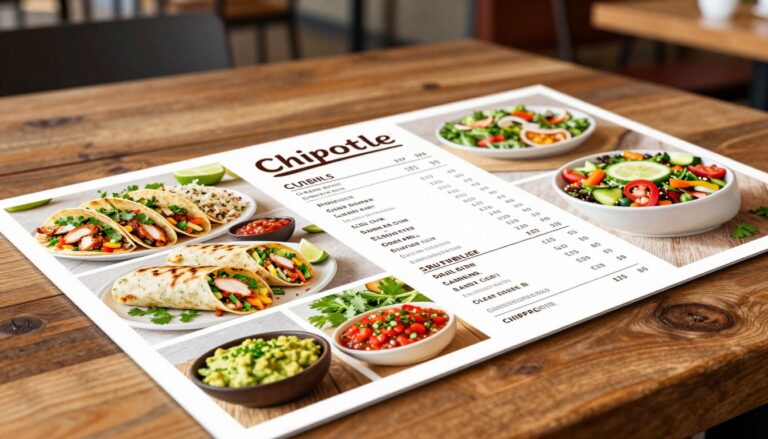
Chipotle Food Menu
You’re about to get a practical buyer’s guide to the restaurant’s menu. This short intro tells you what to expect and how to use the guide when you’re ordering on the go.
The guide walks you through building a burrito, bowl, tacos, or salad with the same core building blocks. You’ll learn to pick proteins, bases, toppings, and salsa heat so you avoid order regret when hunger hits.
We’ll compare protein options, including sofritas and the veggie choice, and list common bases like rice, beans, and tortillas. Popular sides such as chips, queso, and guacamole get a quick note.
Prices and nutrition can shift by location. Nutrition and portion size vary, so check official information for the latest numbers. Later sections include easy-to-scan tables of prices, calories, and “best for” tips to help you decide fast and feel confident about your order.
What to Expect From Chipotle in the United States Right Now
Expect a quick, line-style ordering flow that puts you in control. You choose a format first — burrito, bowl, tacos, or salad — then pick a protein, rice and beans, and toppings. This stepwise approach keeps flavor and cost in check as you build your meal.
Fresh-made, customizable meals with “Food With Integrity” ingredients
“Food With Integrity” means responsibly sourced ingredients and a made-fresh feel across core items. Proteins like chicken and steak are prepared on-site, produce is seasonal where possible, and common toppings are finished to order.
Price ranges to know before you order
Quick price reality check: bowls start around $9.25, burritos near $10.40, and tacos about $3.75 each. Bowl prices commonly run $9.25 for chicken up to roughly $12.40 for steak. Add-ons such as chips and guacamole will raise the total.
| Item | Typical Price (Feb 2026) |
|---|---|
| Bowl | $9.25–$12.40 |
| Burrito | ~$10.40 |
| Taco (each) | $3.75 |
Why pricing and offerings can vary by location
Totals change by local costs, regional pricing, and delivery fees. Availability of certain items can differ too. For example, Knoxville has several stores with different hours and slight price differences. Check the store page or app for exact hours and location-specific information before you place an order.
Knowing the range helps you pick the right meal without sticker shock. A quick glance at local pricing saves time and keeps your budget on track.
Chipotle Food Menu: Core Entrées and How to Choose the Right One
Pick the right base first — it shapes everything from calories to portability.
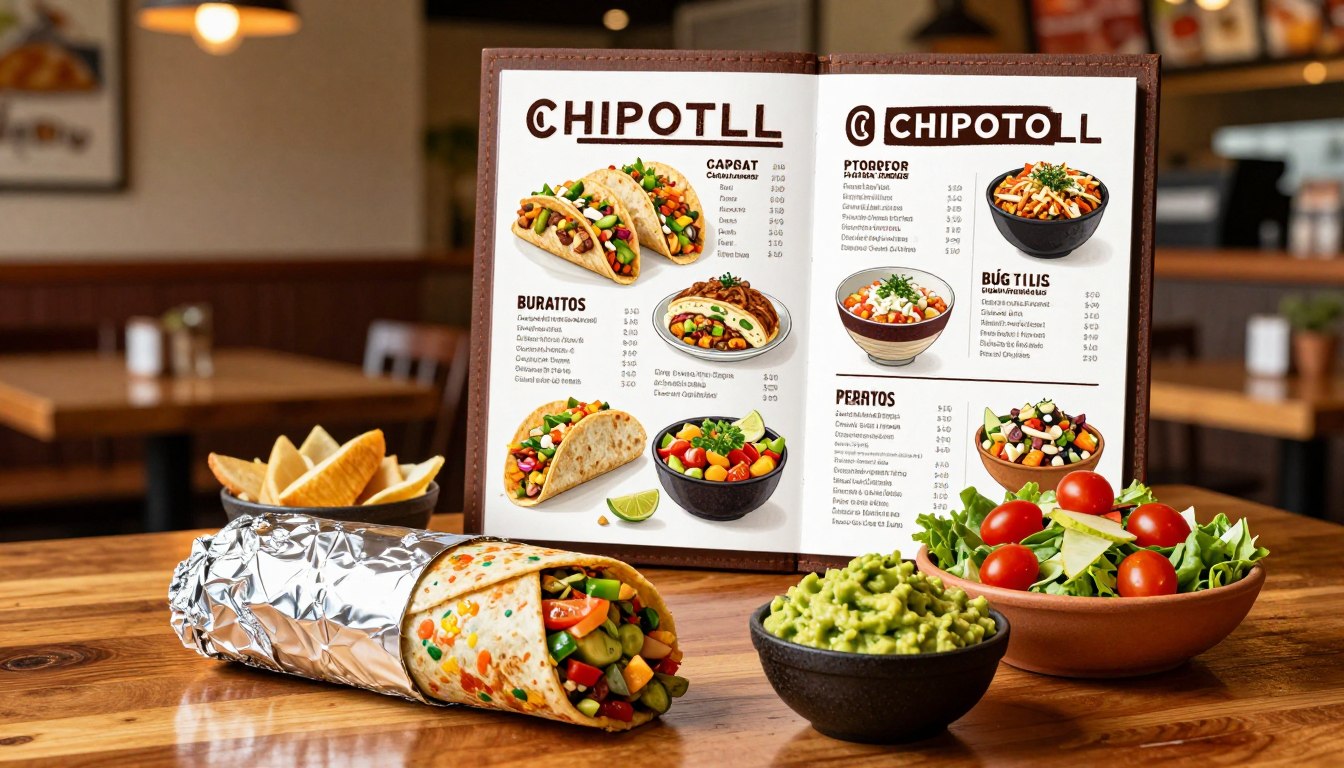
Burrito vs. burrito bowl vs. tacos vs. salad
The burrito wraps your meal in a flour tortilla. That adds calories and makes it easy to eat on the go.
The bowl removes the tortilla. It is fork-friendly and easier to customize by portion.
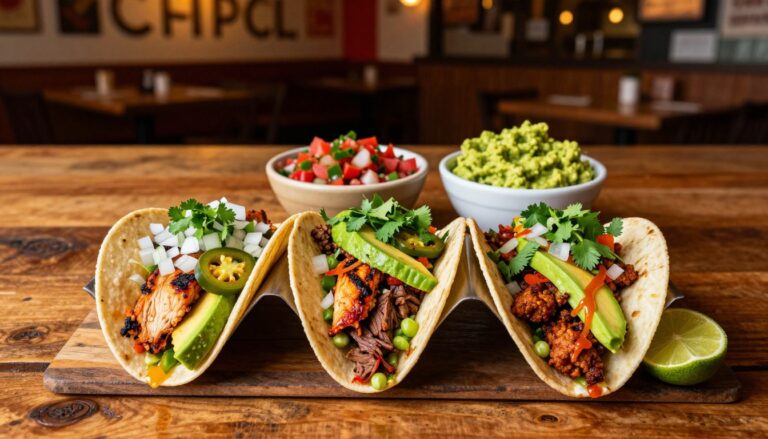
Tacos are the variety pick. You can mix salsas and toppings across shells for more flavor combos.
The salad pairs greens with protein. It feels lighter while still filling.
Best pick for portability, portion size, and value
- Burrito — best for commuting or a road trip.
- Bowl — great for desk lunch and portion control.
- Tacos — ideal for family sharing and tasting several menu items.
- Salad — the lighter choice when greens matter most.
Value tip: order a bowl and ask for a tortilla on the side. You get the burrito feel without extra mess or calories.
Calories at a glance for popular formats
Treat ranges as guidance. Portions and assembly vary by store and day.
| Format | Typical Calorie Range | Best For |
|---|---|---|
| Burrito | 740–1210 cal | Portability, hearty appetite |
| Burrito bowl | 420–910 cal | Fork-friendly, customizable |
| Tacos (3) | 390–1140 cal | Sharing, variety |
| Salad | 420–910 cal | Lighter vibe, extra greens |
If you want more guidance on balanced choices, check healthy menu choices for tips on calories and swaps.
Pick Your Protein: Meat and Plant-Based Options Compared
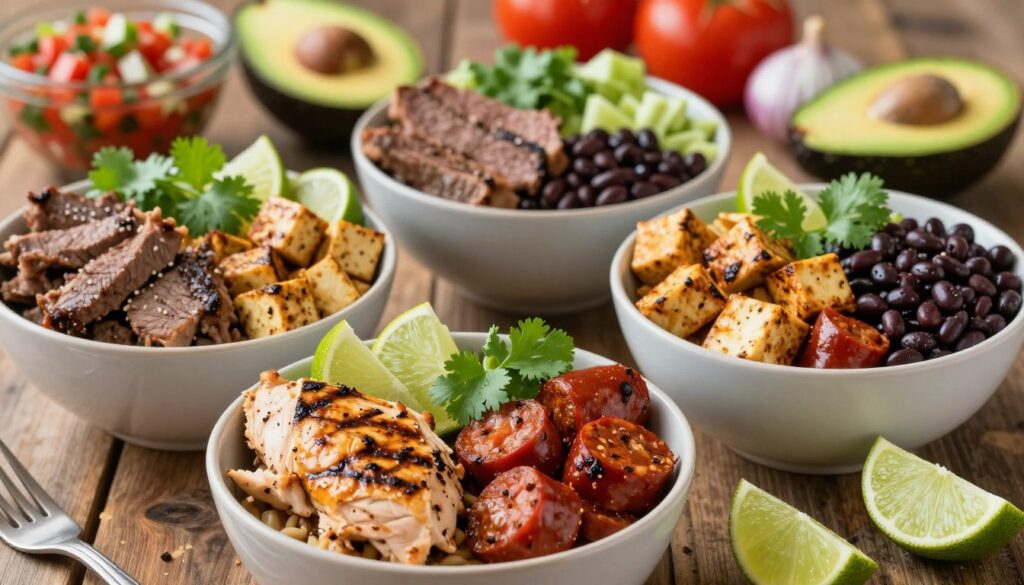
Choose a protein that fits your appetite and flavor mood. This decision shapes calories, taste, and how filling your bowl will be.
Nutrition basics and flavor notes
Here are common options and their calories per 4 oz. Use it to compare chicken or steak against plant-based picks.
| Protein | Calories (4 oz) | Flavor |
|---|---|---|
| Chicken | 180 | Grilled, mild, pairs with fresh salsa |
| Steak | 150 | Seared, beefy, good with smoky salsas |
| Barbacoa | 170 | Braised, savory, slightly spicy |
| Carnitas | 210 | Slow-cooked, rich, crispy edges |
| Sofritas | 150 | Spiced tofu, tangy, smoky |
| Veggie (includes guacamole) | 230 | Beans + guacamole, creamy and filling |
How to pick and order
Want leaner? Pick steak or chicken. Want rich taste? Try carnitas or barbacoa. Prefer plant-based? Sofritas or the veggie choice are solid. Remember the veggie entrée includes guacamole and your beans choice.
Double protein is smart if you have higher protein goals, plan to skip rice, or want two meals from one bowl. It costs more and raises calories.
Practical tip: pick one anchor protein you love. Then change the vibe with fajita veggies, salsa, or a small queso blanco add-on for extra richness without paying for another protein.
Build the Base: Rice, Beans, and Tortillas That Set the Tone
Your base choices quietly decide the texture and staying power of every bite.
Rice and beans form the backbone of many bowls and tacos. White rice and brown rice are both 210 calories per 4 oz. So pick for taste and chew, not guilt.
Black beans and pinto beans each run about 130 calories per 4 oz. Flavor differences matter more than calories. Choose the bean that fits the spice or salsa you plan to add.
Quick tortilla and portion notes
A burrito-style flour tortilla adds about 320 calories. A soft flour taco tortilla is roughly 80 calories each. A crispy corn tortilla is lighter at about 70 calories per piece.
| Base Item | Calories (4 oz or per piece) | Best Use |
|---|---|---|
| Cilantro-lime white rice | 210 cal | Soft, mild; pairs with bold salsas |
| Cilantro-lime brown rice | 210 cal | Hearty chew; nuttier profile |
| Black or Pinto beans | 130 cal | Protein and texture; swap freely |
| Flour tortilla (burrito) | 320 cal | Portable, filling |
| Crispy corn tortilla | 70 cal | Crunch, lighter tacos |
Build tips: for value and fullness, choose rice plus beans in a bowl. Go corn tortillas when you want crunch or a lighter taco. Pick soft flour when you need chew and fewer spills.
Toppings and Salsas That Make the Meal
The right salsa and a few smart toppings make a bowl feel finished. Think of toppings as the brief moments of flavor that turn basic items into your meal. Choose them with purpose instead of saying yes to everything.
Fresh tomato salsa for brightness
Fresh tomato salsa and milder tomato salsa are go-to picks when you want brightness without heat. They add about 25 calories per 4 oz and lift a bowl or salad with clean, fresh tomato notes.
Roasted chili-corn: sweet heat
Roasted chili-corn salsa brings sweet heat and texture. It is richer at 80 calories per 4 oz, so watch stacks of add-ons if you care about totals.
Tomatillo green vs. red
Tomatillo-green is tangy and light (15 cal per 2 oz). Tomatillo-red reads hotter and is a bit heavier (30 cal per 2 oz). Pick green for zip, red for more punch.
Creamy add-ons and greens
Cheese and sour cream each add about 110 calories. They mellow spicy salsas and add richness fast. Romaine lettuce adds crisp freshness at roughly 5 calories and helps cut through richness.
Fajita veggies: flavor with few calories
Fajita veggies are a smart, low-calorie upgrade at 20 calories per 2 oz. They boost texture and make chicken, steak, or plant choices feel complete.
| Item | Calories | Best use |
|---|---|---|
| Fresh tomato salsa | 25 (4 oz) | Milder bowl or salad |
| Roasted chili-corn salsa | 80 (4 oz) | Sweet-heat, texture |
| Tomatillo-green / Tomatillo-red | 15 / 30 (2 oz) | Tangy zip / hotter punch |
| Cheese / Sour cream | 110 / 110 | Richness, balance spicy |
Queso Blanco, Guacamole, and Chips: Best Sides for Your Order
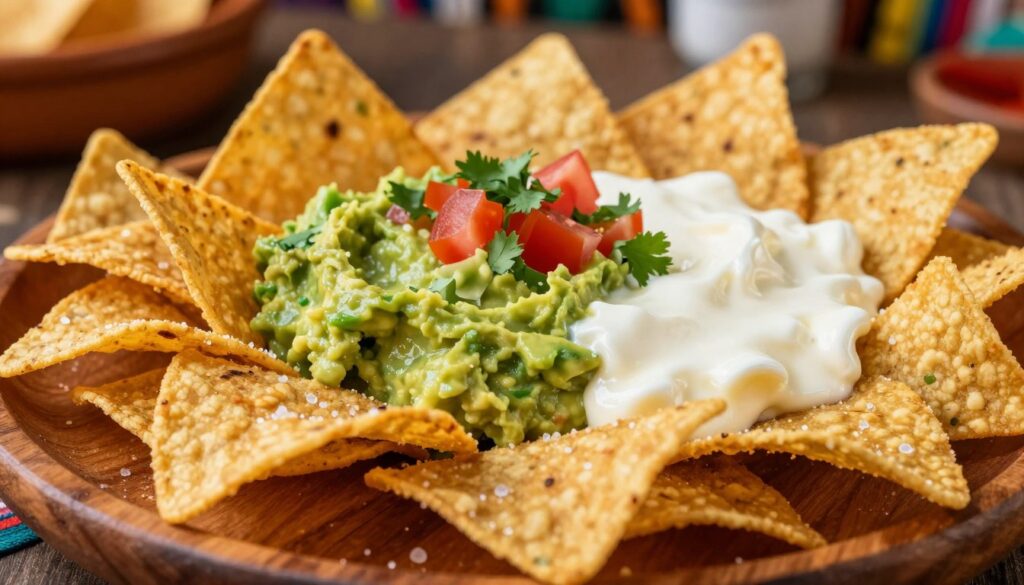
A simple dip can decide whether your bowl feels like a meal or an appetizer.
Think of queso blanco and guacamole as two different roles. Put queso blanco on top for melty, savory hits. Add guacamole as a topping for creamy texture and extra richness.
Order either as a side when you want to share. A side keeps portions and calories separate. It also makes dipping with chips easy.
Chips and dip options, calories, and serves
| Item | Calories | Serves | Typical Price (US) |
|---|---|---|---|
| Queso blanco (2 oz) | 120 | — | $1.80 |
| Guacamole (4 oz) | 230 | — | $3.25 |
| Chips (regular) | 540 | 2 | $1.80 |
| Chips & Queso (regular) | 780 | 2 | $4.95 |
Quick tips to choose
- If you share, get a regular chips & dip. It covers two people without huge extras.
- For tacos, chips add crunch and help round out a lighter plate.
- If your bowl already has cheese and sour cream, skip extra queso blanco to avoid heaviness.
- Check the local menu or app for real-time prices and availability before you order.
Drinks and Pairings: Soda, Iced Tea, Lemonade, and Agua Fresca
A well-chosen beverage can balance spice, richness, or salt in every bite. Pick something that matches the bowl, tacos, or burrito you built.
Fountain vs. bottled drinks: what to consider
Fountain drinks let you refill in person. They are handy if you dine at the counter. Bottled options are grab-and-go. Delivery orders usually send bottled drinks.
- Refill potential vs. convenience: fountain wins for refills; bottled wins for pickup and delivery.
- Zero-calorie fountain choices and unsweetened iced tea keep a lighter side when you add chips, queso, or guacamole.
- Price range for drinks runs about $3.25–$3.95 in many US locations (Feb 2026 examples).
Calories and quick pairings
| Drink Type | Regular 22 fl oz | Large 32 fl oz |
|---|---|---|
| Soda & Iced Tea | 0–300 cal | 0–440 cal |
| Organic Lemonade / Agua Fresca | 170–230 cal | 250–330 cal |
| Bottled Drinks / Beer | 0–280 cal / 110–170 cal | — |
Pairing note: tacos + agua fresca feels complete and not too heavy. Burrito + iced tea keeps things balanced on the go.
Availability varies by location and season. Check the menu in the app for the latest information at the time you order.
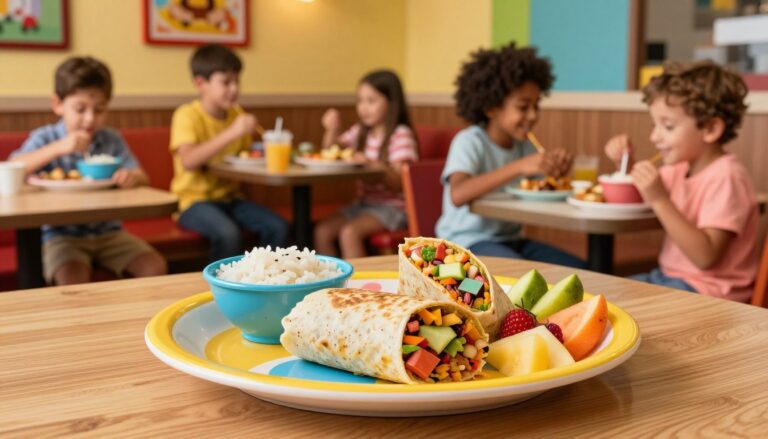
Kids Menu and Family-Friendly Meals
A small, customizable kid’s meal makes family ordering easy and predictable.
Build Your Own: simple tacos with sides
Pick the main — a small portion of meat, guacamole, or queso. Then pick two toppings.
It comes with fruit or kid’s chips and a choice of organic juice or milk. Calories run about 350–810 depending on the main and toppings.
Small cheese quesadilla with rice and beans
The quesadilla is a familiar choice for many kids. A small cheese quesadilla with a side of rice and beans lands around 530–710 calories.
Adding protein to the quesadilla usually costs extra.
- Kids drinks included: organic juice or milk with each meal.
- Rice and beans on the side help introduce flavors without mixing.
- Build Your Own is easy to customize for picky eaters and to share at the table.
| Format | Calorie Range | Included | Typical Price (US, Feb 2026) |
|---|---|---|---|
| Build Your Own (tacos) | 350–810 cal | Fruit or kid’s chips + organic juice or milk | ~$5.25 |
| Small Cheese Quesadilla | 530–710 cal | Rice and beans + fruit or kid’s chips + organic juice or milk | ~$5.25 (protein extra) |
Check the app or the menu board for current availability and local pricing. That information helps you plan family totals before you order.
Ordering Smarter: Online Ordering, Hours, and Location Tips That Save Time
A quick app order trims minutes off pickup, especially if you have a go-to build. Save your usual bowl or burrito in the app to skip steps and cut wait time.
Before you tap place order, check store hours and whether pickup or delivery is available. Confirm the local menu for items marked unavailable. Delivery platforms can add fees and show different prices than in-store, so compare totals if value matters.
Location matters. In Knoxville, multiple addresses share a brand but not the same hours or pricing. That difference affects what you can get and when.
Fast-order checklist: pick format, choose protein, select rice and beans, add salsa and toppings, then decide on one side like chips only if you truly want it. Keep customization clear and simple so staff can fill your order accurately during busy times.
Once you know the building blocks, you can order faster and still get exactly what you want.