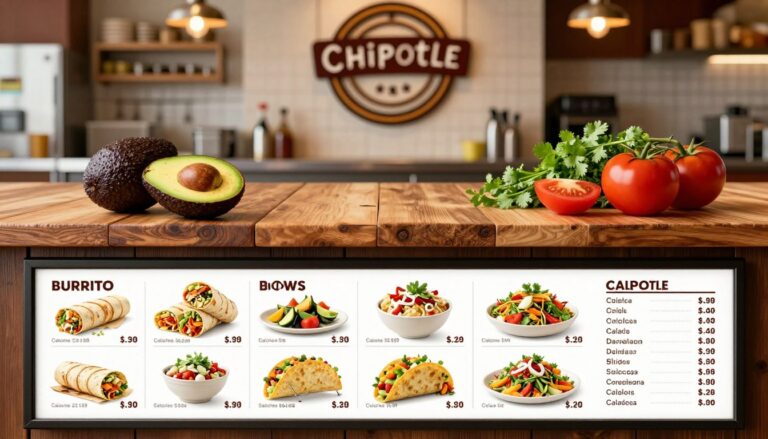

Chipotle Menu With Prices
This short guide helps you plan a quick, predictable order. Bowls start near $9.25 and burritos around $10.40, while tacos often list near $3.75 each. Add-ons like guacamole or queso are the main cost drivers.
Think of your order in three steps. Pick an entrée type such as a bowl, burrito, taco, salad, or quesadilla. Then choose a protein. Finish by adding sides, drinks, and extras.
Prices can vary by city and store, but most U.S. locations follow similar patterns for core proteins. Premium options, double meat, guac, and queso create the biggest budget swings.
Use this article to jump where you need it. Start at the entrée price guide, then check best-sellers, followed by sides and drinks, and end with value tips. The goal is to help you plan meals for one, two, or a family without surprise at checkout.
What to Expect From Chipotle Mexican Grill Menu Prices in the United States
You’ll notice entrée costs stay close together at this mexican grill. The assembly-line build—rice, beans, protein, salsas—keeps base costs similar whether you pick a burrito, bowl, tacos, or salad.
Why entrée pricing is tighter than other fast food
The prep process is the same for most items, so labor and core ingredients are shared. That lowers variation and gives you predictable totals before add-ons.
What changes your total: sides, add‑ons, and premium proteins
Premium protein (steak or barbacoa) costs more than veggie or sofritas. Double protein, guacamole, queso, and chips are the main drivers of higher bills.
Typical price bands you’ll see
| Category | Typical U.S. range | Notes |
|---|---|---|
| Entrées (bowl/burrito/tacos) | $8.50 – $11.50 | Base build similar across menu items |
| Drinks | $1.75 – $6.00 | Soda lower; beer/margarita higher |
| Extras (guac, queso, chips) | $1.50 – $4.50 | Add-ons change totals fastest |
- Free toppings like salsas and fajita veggies usually don’t add cost.
- Paid sides and double protein do raise the final price noticeably.
- Check your receipt to sanity-check items and fees.
Next, you’ll see an updated entrée price guide with examples you can use to plan ahead and compare chipotle menu prices quickly.
Chipotle Menu With Prices: Updated Entrée Price Guide
Here’s a compact entrée price guide so you can pick a main item fast and plan add-ons.
Burrito price range and base build
Burritos commonly list around $10.40 and up in 2026. The base build usually includes a flour tortilla plus rice or beans, your protein, salsa, and cheese or veggies.
Extras like double meat, guacamole, or queso typically cost extra.
Burrito bowl prices and value
Bowl prices often start near $9.25. Bowls give portion flexibility and make it easier to control add-ons.
Many people find a bowl stretches value by letting you skip an extra tortilla and add a modest side instead.
Tacos, salads, lifestyle bowls, and quesadillas
Tacos run about $3.75 each, so three tacos total roughly $11.25–$13.25 depending on protein.
Salads and lifestyle bowls serve diet-focused orders (keto, Whole30, high-protein) but watch add-on costs.
Quesadillas typically range $11.00–$13.95. Protein choice and sides drive the final cost.
- Entrée-only guide: pick the main item first, then decide on chips, guac, or a drink.
- Base burrito includes tortilla + chosen fillings; paid extras add to the bill.
- Bowls often feel like the best value due to portion control and easier add-ons.
| Entrée | Typical 2026 Range | Notes |
|---|---|---|
| Burrito | $10.40+ | Standard tortilla, protein, rice/beans |
| Bowl | $9.25+ | Flexible portions, add sides selectively |
| Tacos (each) | $3.75 | 3-taco totals vary by protein |
| Quesadilla | $11.00–$13.95 | Protein and sides affect total |
Burritos and Burrito Bowls: Best-Selling Menu Items and What They Cost
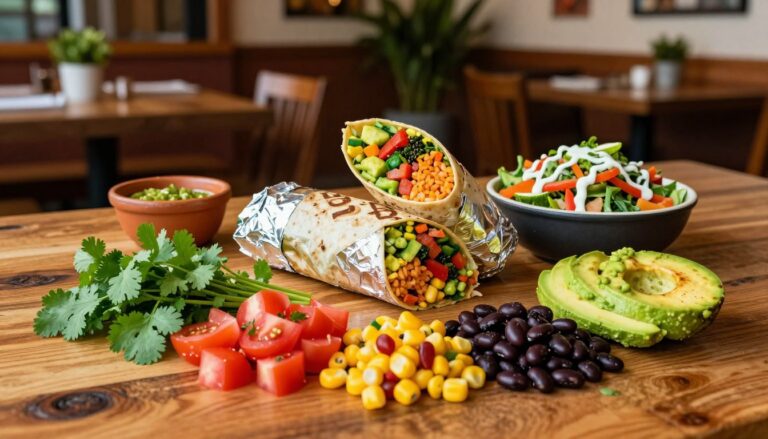
Burritos and bowls are the go-to items for most guests because they make protein and add-on costs easy to compare.
Chicken, steak, barbacoa, carnitas — a simple pricing ladder
Use the protein price ladder to decide what you want to spend. Chicken and plant options sit lower on the list.
Example 2026 guide: chicken burrito/bowl $9.35, carnitas $10.00, steak $11.10, barbacoa $11.10.
Plant-forward choices: veggie and sofritas
Veggie and sofritas match chicken pricing in many locations. Expect roughly $9.35 for a vegetarian or sofritas entrée.
Value stretch: bowl plus a flour tortilla
Order a bowl and ask for a flour tortilla on the side. You get a burrito-style meal with less mess and better portion control.
- Best-sellers: burrito bowls and burritos make comparing proteins straightforward.
- Smart add-on: chips as a side raise the total but pair well for sharing.
- Pick the protein to match appetite and budget; double protein raises cost quickly.
| Entrée | Typical 2026 Cost | Notes |
|---|---|---|
| Chicken (burrito/bowl) | $9.35 | Solid value, lean protein |
| Carnitas | $10.00 | Richer flavor, mid-tier cost |
| Steak / Barbacoa | $11.10 | Premium proteins; higher price |
Tacos and Tortillas: How to Price Out Your Order
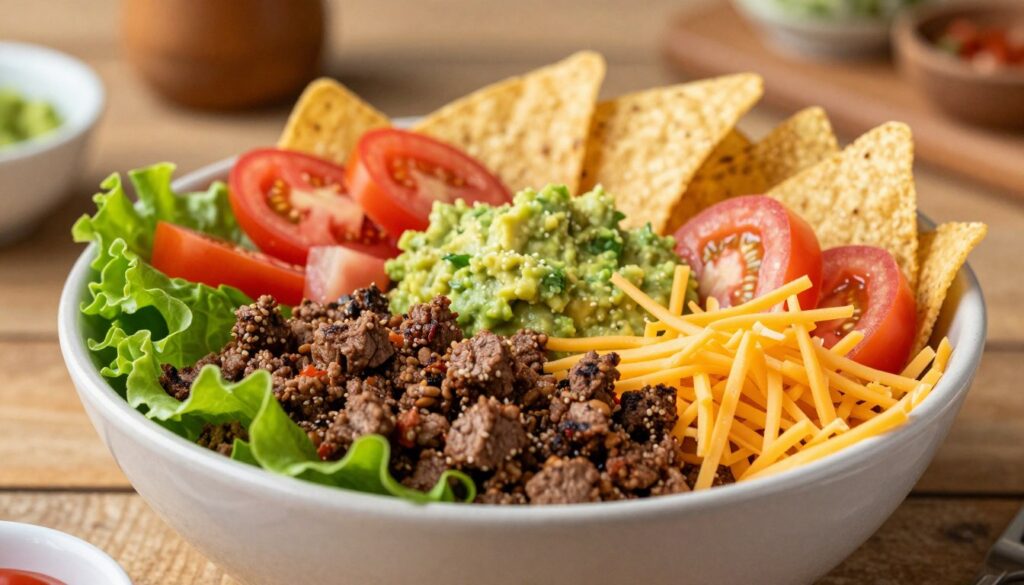
Tacos are a quick way to sample flavors while keeping the bill predictable. In 2026, tacos generally run about $3.75 apiece. Three tacos will often total near $11–$12, depending on the protein you pick.
Soft flour vs crispy corn and gluten-free notes
Soft flour tortillas are classic for handheld tacos, but they contain gluten. Corn tortillas are usually the safer pick for gluten-free needs.
Choose corn if you need a gluten-free option. Ask staff if a specific tortilla is certified gluten-free at your location.
Three tacos versus a bowl: cost and portion trade-offs
Three tacos give variety. You can try multiple proteins. But portions may be smaller than a bowl.
A bowl often costs about the same as three tacos and fills you more. Bowls reduce spills and let you skip a paid side like chips.
- Price tacos by the piece: one taco ≈ $3.75; three-taco totals change with protein.
- Pick corn tortillas for gluten-free orders; flour tortilla is not gluten-free.
- Choose tacos for variety and hand-held eating; choose a bowl for customization and larger portions.
- Watch for common add-ons—chips, guacamole, and a drink—that raise your final total.
| Order Type | Typical Cost (2026) | Best When |
|---|---|---|
| Single taco | $3.75 | Light snack or tasting several items |
| Three tacos | $11.25–$12.75 | Variety without a large plate |
| Bowl | $9.25–$11.50 | Full meal, fewer spill risks, more customization |
Quesadillas, Salads, and Lifestyle Bowls for Dietary Preferences
Diet-focused choices—quesadillas, salads, and lifestyle bowls—let you eat familiar favorites while sticking to a plan.
Keto, Whole30, paleo, and high-protein lifestyle bowls
Lifestyle bowls are built to fit low-carb or elimination plans. They emphasize protein and veggies. Rice and beans are skipped for keto or Whole30. High protein builds center on chicken or double protein to stay filling.
Salad builds with fajita veggies, romaine, and salsas
Pick romaine as a crisp base. Add fajita veggies, your preferred salsa, and a protein. Black beans are optional for more bulk but add carbs. Salsa choices keep flavor without extra calories.
Quesadilla basics and vegan-friendly swaps
Quesadillas usually feature Monterey Jack cheese for a mild, melty finish. Fillings and protein choice change cost and calorie density; prices often sit around $11.00–$13.95 in 2026 guides.
Vegan orders work well with sofritas, black beans, fajita veggies, and guacamole. Skip sour cream and queso or order them only if you want dairy. Queso blanco is dairy-based and will add cost.
- Quick tip: choose a lifestyle bowl to follow dietary preferences while keeping portions sensible.
| Option | Typical 2026 Range | Notes |
|---|---|---|
| Lifestyle bowls | $9.25–$11.50 | Keto/Whole30/paleo/high protein builds |
| Salads | $9.25–$11.50 | Romaine + fajita veggies + salsa |
| Quesadilla | $11.00–$13.95 | Monterey Jack cheese; calorie-dense |
Kids Menu Prices and Family-Friendly Combos
Families often look for a fuss-free kids meal that fills smaller appetites without surprises at checkout.
What a typical kids meal includes
A kids meal usually comes as a complete combo. It pairs a child-sized entrée with a drink and a side.
Common sides are chips or a small fruit pack. The offer is aimed at ages 12 and under, though policies vary by location.
Best kid-approved picks: tacos vs quesadilla
Tacos are great for picky eaters who like variety. They can be messier and may need adult help.
Quesadillas are less messy and often more filling. They make a solid pick for car rides or short stops.
| Item | Typical U.S. Cost (2026) | Includes |
|---|---|---|
| Kids meal | $5.25 | Entrée, drink, side |
| Common side | $0–$1 extra when substituted | Chips or fruit |
- Expect the listed kids menu combo to be a full small meal.
- Local menu prices can vary; check your store if you need exact totals.
- Tip: add one extra side for sharing instead of upgrading every adult entrée.
Sides, Chips, and Extras That Change the Price Fast
Extras like chips and dips are easy to add—and they add up just as fast. Plan your sides early so you can keep the total in check.
Chips pricing and popular pairings
Chips alone commonly list near $1.85 in 2026. Pairings are a common step-up: chips + salsa for about $2.30, chips + guacamole around $4.50, and chips + queso blanco near $4.50. Large share tubs jump to about $8.00.
Guacamole as an extra
Guacamole usually appears as a $2.65 side. As an add-on to an entrée it often costs the same or slightly more. It’s the single biggest upcharge most guests order.
Queso blanco: side vs add-on
Queso blanco is sometimes sold as a $2.65 side and listed around $1.60 as an extra. Check the register or app so you know whether you’re paying side or add-on price.
Salsa options and free toppings
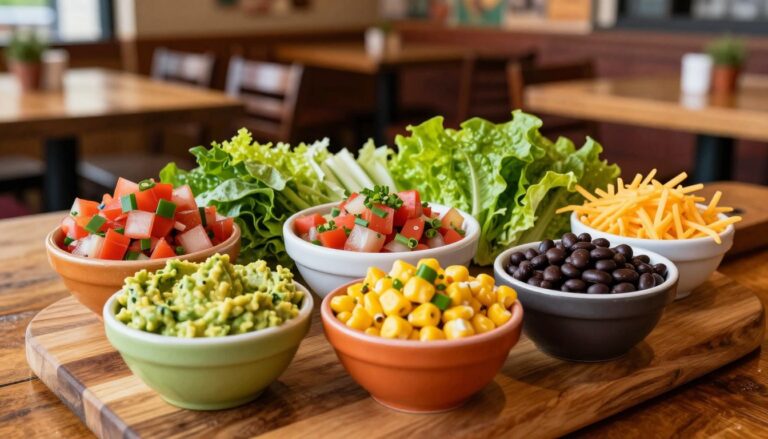
Many salsas, including fresh tomato salsa, are treated as free toppings on entrées. That fresh tomato or tomato salsa can add bright flavor without raising your bill. Ask for extras on your bowl or tacos before buying a separate side.
When large sides make sense
Choose large sides for sharing—road trips, families, or two-entree orders. If you’re solo, a single chips order and a free salsa on your entrée saves more money than a large tub.
- Plan sides before checkout to avoid surprise price jumps.
- Order guacamole sparingly if you want to control the final bill.
- Use free fresh tomato salsa on entrées instead of buying a separate side.
| Item | Typical 2026 price | Best use |
|---|---|---|
| Chips | $1.85 | Solo snack or small share |
| Chips & guacamole | $4.50 (large $8.00) | Two or more people |
| Chips & queso blanco | $4.50 (large $8.00) | Share with salty snacks |
| Guacamole or queso blanco (side) | $2.65 | Extra on the side or salad add-on |
Drinks and Alcohol: Chipotle Drink Prices at a Glance
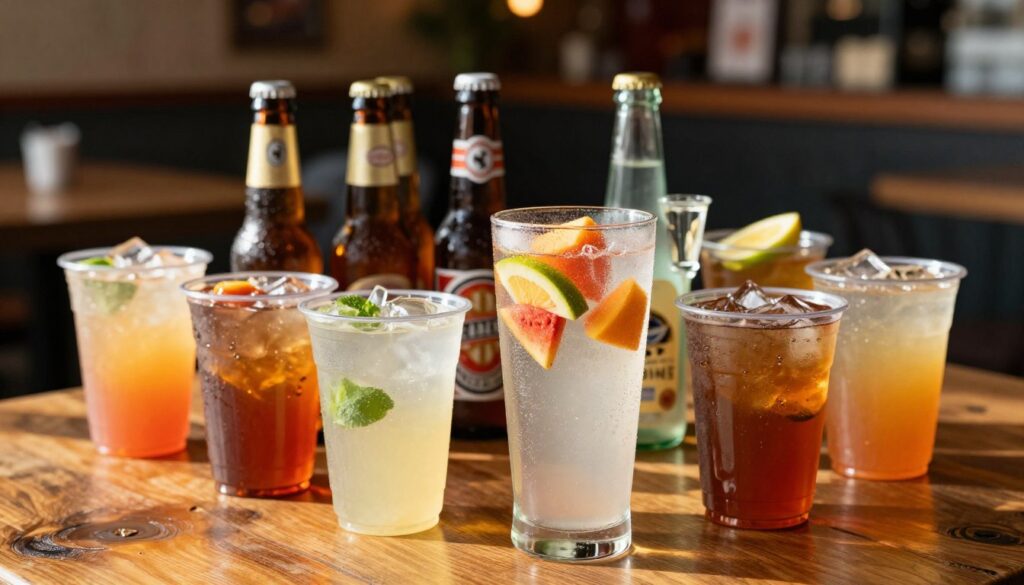
A simple beverage choice can flip an affordable meal into a pricier one fast.
Fountain soda and iced tea vs bottled drinks
Fountain soda and iced tea run about $3.10 for a medium and $3.40 for a large in 2026. Bottled drinks are often $2.85 (medium) and $4.30 (large).
Fountain options give steady size for a small savings. Bottled drinks add convenience but can cost more for a large bottle.
Organic lemonade and agua fresca
Organic lemonade and agua fresca sit around $3.10 (medium) and $3.40 (large). They are common upgrade items when you want something fresher than soda.
Beer and margarita expectations
Beer generally ranges $4.50 (medium) to $5.00 (large). Sauza margaritas are often listed at about $4.50 where offered. Availability varies by location, so check local menu prices before ordering alcohol.
- Use drinks to budget your full meal, not just the entrée.
- Pick fountain soda to keep costs down; choose bottled or lemonade for a small upgrade.
- Remember alcohol isn’t at every store—ask ahead to avoid surprises.
Build Your Best Bowl: Ingredients That Deliver the Most Value
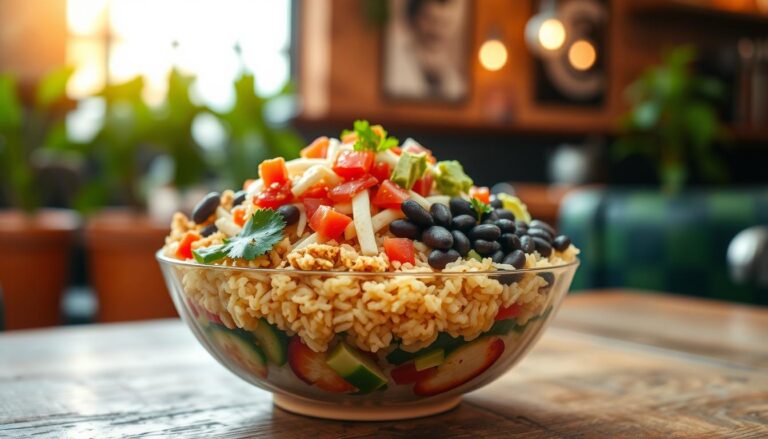
Build a bowl that fills you up and keeps the bill low by leaning on included ingredients. Many locations treat rice, beans, fajita veggies, and salsas as part of the base price. Use those items to make a full meal without paid extras.
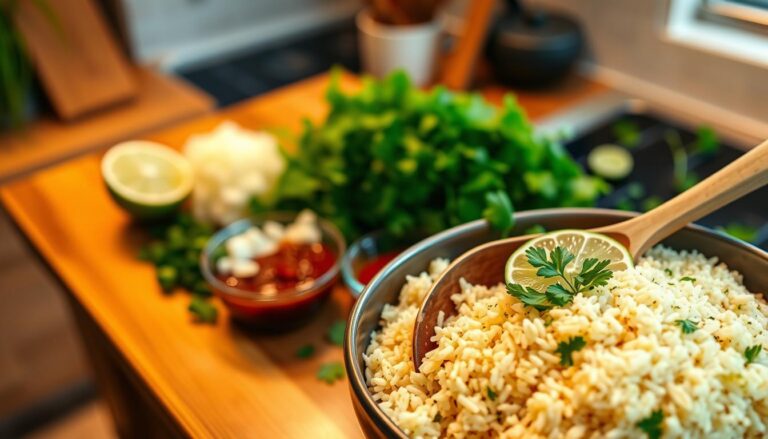
Choosing your base: white rice vs brown rice
White rice gives comfort and a softer bite. Brown rice adds chew and more whole-grain texture.
Both work as a solid bowl rice base. Pick white rice for classic taste. Choose brown rice if you want a bit more fiber and bite.
Beans and boosts: black beans and rice‑beans combos for fullness
Black beans add protein and heft without extra cost. A rice beans combo stretches portions and keeps you full longer.
For value, order both rice and beans. The rice beans pairing replaces chips and saves money.
Flavor builders: fajita veggies, sour cream, and monterey jack cheese
Fajita veggies add volume and charred flavor. A small dollop of sour cream balances heat and richness.
Monterey Jack cheese melts for extra creaminess. Use these sparingly to control calories while staying satisfied.
Salsa strategy: fresh tomato salsa vs corn salsa vs tomatillo
Fresh tomato salsa brightens every bite. Corn salsa adds sweet texture. Tomatillo salsas bring tang and heat.
Ask for extra tomato salsa on top for freshness without cost.
- Default best-value bowl blueprint: brown rice + black beans + fajita veggies + fresh tomato salsa + small sour cream + a sprinkle of monterey jack cheese.
| Choice | Profile | When to pick |
|---|---|---|
| White rice | Soft, classic | Comfort, milder flavor |
| Brown rice | Nutty, chewy | More fiber, fuller feel |
| Rice + black beans | Filling, protein boost | Skip chips; stretch the meal |
Nutrition and High-Protein Ordering Without Overpaying
If you want solid protein without a surprise bill, plan your build around lean chicken and filling, no-cost add-ins. A chicken-based bowl often balances macros and value. Some 2026 guides show typical chicken builds hitting about 48g of protein in a full bowl or burrito-style order.
High-protein approach and when double protein pays
Choose grilled adobo chicken or a standard chicken entrée for steady protein at a moderate cost. Add fajita veggies, salsa, and beans to boost volume without extra fees.
Consider double protein only on heavy training days, if you missed meals, or when you plan leftovers. Double protein adds cost, so reserve it for real needs.
Lower-carb builds that still taste good
Order a bowl or salad and skip rice and beans to lower carbs. Keep flavor by adding extra fajita veggies, salsa, and a small scoop of guac if your budget allows.
Gluten-free swaps that keep totals predictable
Pick a bowl or salad, or choose corn tortillas instead of flour. These swaps usually hold steady on the register. Avoid flour tortillas to stay gluten-free and predictable.
- Plan around included ingredients to control final totals.
- Use grilled adobo chicken for a flavorful high protein base.
- Reserve double protein for training, missed meals, or planned leftovers.
| Option | Approx. Protein | Best when |
|---|---|---|
| Grilled adobo chicken bowl | ~48g | Everyday high-protein meals |
| Bowl (no rice/beans) | 20–35g | Lower-carb, lighter appetite |
| Double protein add-on | +20–25g | Training days or leftovers |
Ordering, Delivery Available Options, and Ways to Save on Chipotle
Using the app or web ordering helps you lock in a total before you hit checkout. That makes it easier to avoid impulse add-ons and stay on budget.
Mobile ordering, pickup, and delivery through the app and website
You can order ahead for pickup or request delivery available to your address. Pickup usually avoids delivery fees and gets food faster.
Delivery available through the app or third-party partners gives convenience. Check the estimated fee and ETA before you confirm.
Rewards and app offers: how discounts and free delivery promos typically work
The rewards program often gives points toward free items and periodic discounts. Apps sometimes run free delivery promos on minimum subtotals.
Free delivery usually needs a minimum order or a promo code. Track in-app deals so you know when free delivery applies.
Budget-minded moves that still feel indulgent
Choose veggie or sofritas for lower cost protein. Skip paid extras when you can, and rely on included rice, beans, and salsas to fill you up.
Build a shareable bowl to split across two meals. Items like chips & queso or guac are great splurges; buy them only when they really add value.
- Order for pickup to avoid delivery fees.
- Use rewards points on add-ons instead of paying cash.
- Plan ahead in the app so you see menu prices and fees before checkout.
| Path | Typical fee | Best use |
|---|---|---|
| In-store / pickup | $0 | Lowest cost, fastest in busy areas |
| Delivery available (in-app) | $0–$5; free delivery on promos | Convenience, watch minimums for free delivery |
| Third-party delivery | $2–$7 + tip | When store delivery isn’t available |
If you want a few quick ordering hacks, check this short guide on ordering hacks that many diners ‘ve tried for savings and faster pickup. The chain’s consistency and great food make these tips useful whether you travel or eat local.
Your Next Chipotle Order, Priced and Planned
Use these ready-to-order examples to pick a meal, tweak it, and keep the total steady.
Sample totals (2026 anchors): Bowl (chicken) + chips + medium drink ≈ $13.50. Burrito (steak) + chips & guacamole + bottled drink ≈ $17.50. Bowl (veggie) + queso blanco + small drink ≈ $13.00. Local menu and delivery fees can change each total.
Quick checklist: choose burrito bowl or burrito, pick chicken or steak, pick white rice or brown rice, add black beans or a rice beans combo for fullness.
Value build: bowl rice + fajita veggies + fresh tomato salsa keeps cost low and flavor high. Comfort build: add sour cream and jack cheese for richness.
Splurge path: chips + guacamole + queso blanco raise one order by several dollars. For families, buy a large shareable side instead of duplicate kids items.
Final tip: if you use delivery available, watch for free delivery promos and review cart totals before checkout; pickup keeps your price tighter.