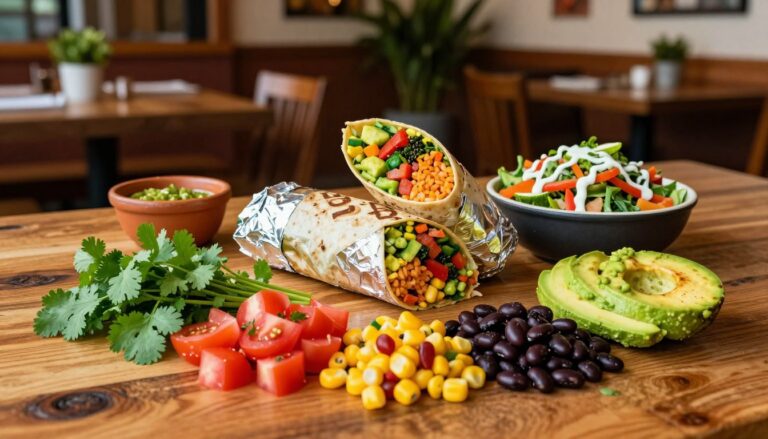
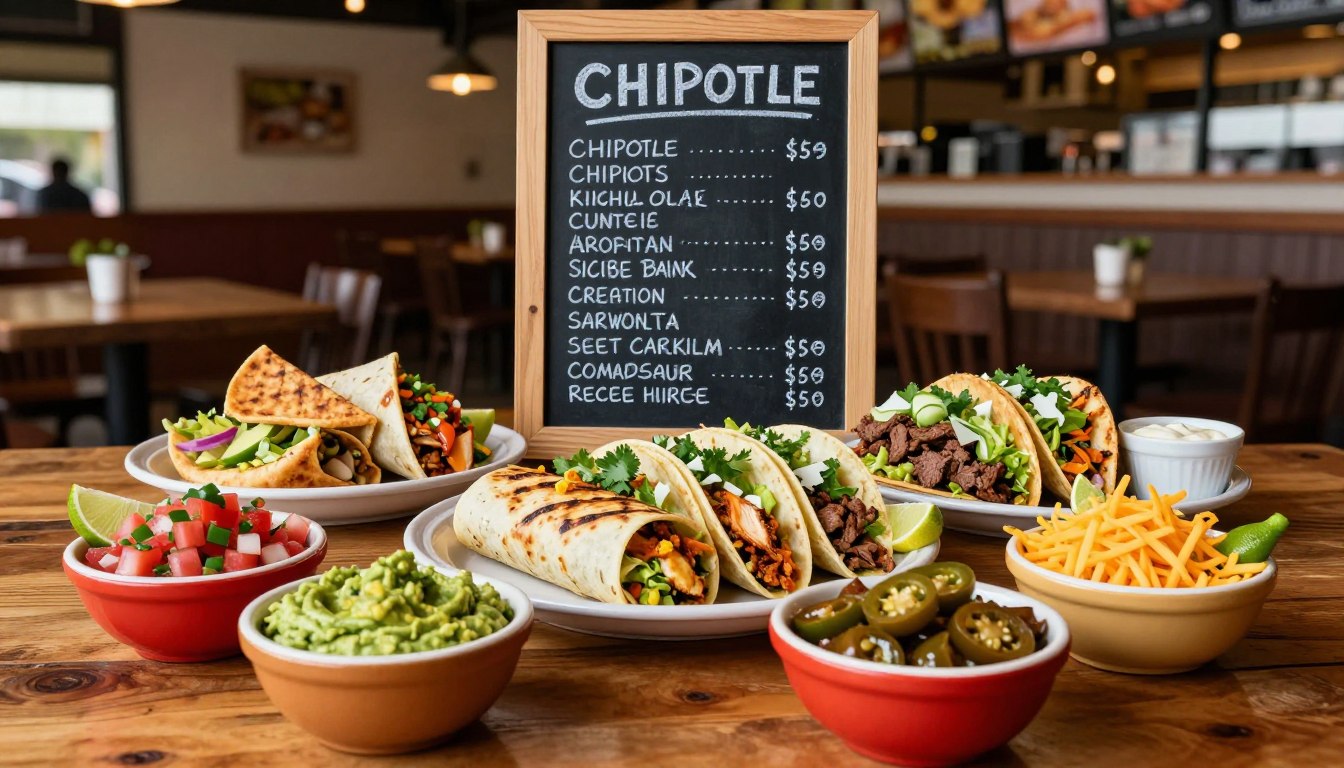
Chipotle Mexican Menu
Welcome. This buyer’s guide helps you use the menu with real-world confidence. You’ll get clear, practical details so you can pick meals that match appetite, budget, and nutrition goals.
Expect verified nutrition and sample pricing notes. Prices may vary by location and may differ from online real-time listings. Serving sizes are estimates. Use the numbers as strong guides, not promises.
This guide gives calorie ranges for entrees and common add-ons. You’ll see ingredient-level calories for proteins, rice, beans, salsas, dairy, and guac. It also offers simple “best for” suggestions and smart swaps to make ordering easier.
Customization drives the final price: base + protein + rice/beans + toppings + sides + drinks. You’ll find family-friendly info, kid’s meal notes, and allergen tips so you can order confidently for everyone.
What to Expect From Chipotle Menu Prices in the United States Right Now
Expect some price movement across towns — local costs shape what you pay. Taxes, rent, and regional labor rates make the same dish cost different amounts in different states. The in-store board is the final word when you stand in line, so check it before you order.
Do a quick accuracy check: compare the in-store board, your app cart, and your receipt. Treat the highest number as the safest budget figure. Remember that base entree pricing is separate from add-ons like extra protein, guacamole, and queso. Add-ons often cause the biggest jumps in your total.
“Prices verified daily” covers frequent updates across 3,500+ locations but does not guarantee your exact store at this minute. Last Updated: February 26, 2026. Use verified updates as a close guide, not a promise of real-time prices for your order.
| Price Source | Typical Accuracy | What to Do |
|---|---|---|
| In-store board | Highest accuracy for that visit | Use as final price when ordering |
| Official app/cart | High, but may lag by minutes | Compare to board before paying |
| Daily-verified site | Good for planning across locations | Treat as estimate; check local board |
Calories and nutrition information are estimates. Portion size, recipe shifts, seasonal sourcing, and portioning all cause variation. Use the numbers to compare builds, not as absolute guarantees.
For allergen information, visit chipotle.com/allergens and always tell the server about food allergies before ordering. Once you know how prices and calories move, choosing the right entree format is the fastest way to control cost and calories. For a closer look at item-level pricing, see our full menu guide.
Chipotle Mexican Menu: Entrees That Match Your Appetite
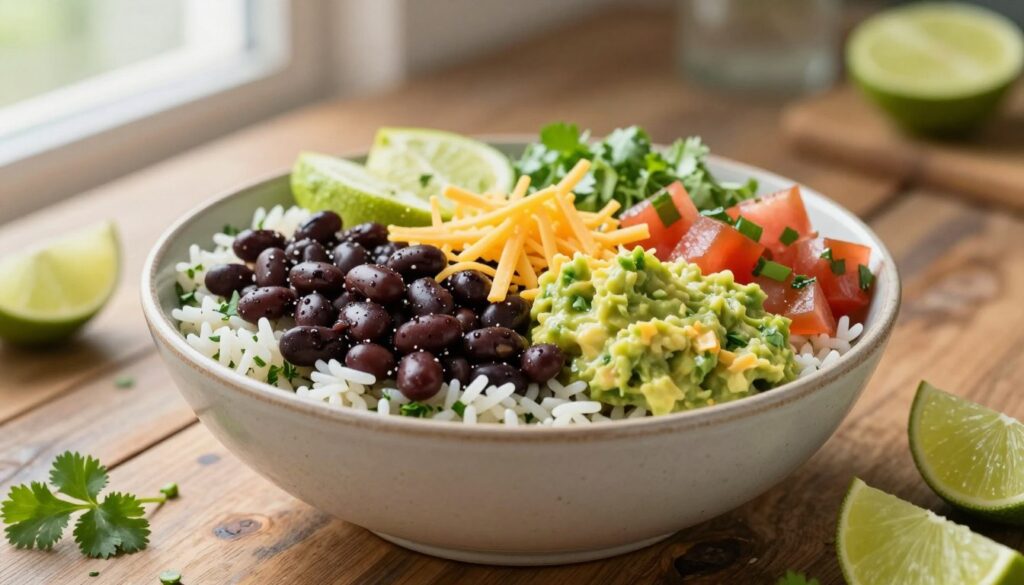
Choose the entree format that fits how you actually eat—portable, fork-ready, or something to share.
The biggest built-in difference between a burrito and a burrito bowl is the flour tortilla. A single flour tortilla adds about 320 calories before any fillings. That can push a modest build into a much bigger meal fast.
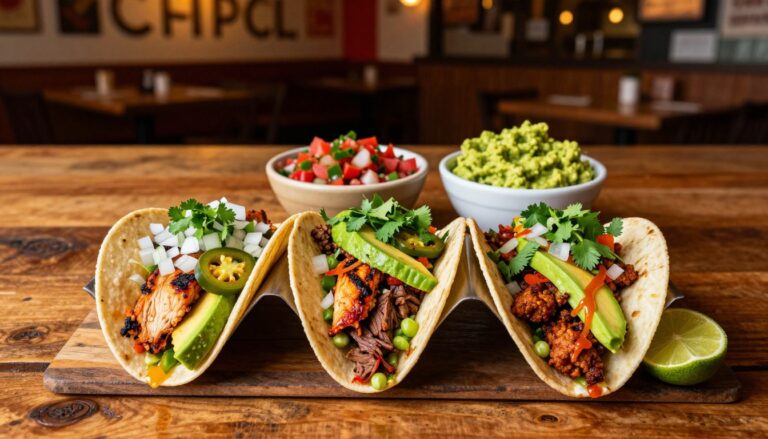
Tacos give you flexibility. Crispy corn tortillas run about 70 cal each. Soft flour tortillas are roughly 80 cal each. Toppings make the biggest swings; three loaded tacos can rival a burrito in calories.
For a lighter plate, pick a salad. Supergreens add about 15 cal per serving and romaine is only 5 cal per ounce. The chipotle-honey vinaigrette is tasty but adds roughly 220 calories for 2 ounces. Decide if that tradeoff is worth it for flavor.
Quesadilla cravings are about melted cheese and comfort. Choose a protein and balance with salsa or beans to avoid an overly heavy meal.
| Entree | Calories (range) | Tortilla Details | Price Example |
|---|---|---|---|
| Burrito | 740–1210 cal | Flour tortilla (burrito) 320 cal | $12.55 (varies) |
| Burrito bowl | 420–910 cal | No tortilla (bowl) | $12.55 |
| Tacos (3) | 390–1140 cal | Flour taco 80 ea / Corn crispy 70 ea | $4.40 listed; $13.25+ (3 pcs) |
| Salad | 420–910 cal | Supergreens 15 cal / Romaine 5 cal | $12.55 |
| Quesadilla | Varies (cheese-forward) | Melted cheese primary; add protein/beans | $6.00–$13.25+ (varies) |
Use the entree type as your budget anchor, then add extras intentionally. The next big choice is protein. It changes flavor, calories, and how filling your meal feels.
Choose Your Protein: Chicken, Steak, Barbacoa, Carnitas, Sofritas, or Veggie
Start with the protein: it’s the biggest single decision for taste and nutrition.
Protein calories at a glance (per 4 oz)
| Protein | Calories (4 oz) | Protein (g) / Notes |
|---|---|---|
| Chicken | 180 | 32 g — common high-protein pick |
| Steak | 150 | 21 g — bold flavor, moderate cal |
| Barbacoa | 170 | 24 g — rich flavor, mid-range cal |
| Carnitas | 210 | 23 g — higher calories, savory |
| Sofritas | 150 | 8 g — plant-based, lower protein |
| Veggie | 230 | Includes guac + beans — higher cal by design |
Which proteins to pick and why
If you want higher satiety, chicken is the go-to. It packs 32 grams of protein per 4 ounces and helps meals feel filling.
Steak and barbacoa give big flavor with moderate calories. Choose them when taste matters more than cutting every calorie.
Carnitas trend higher in calories. Pick carnitas when you prefer richer, fattier protein and expect a denser meal.
Plant-based options and veggie builds
Sofritas is a solid plant choice. It’s lower in calories than some meats but has less protein, so balance with beans or extra toppings.
Veggie builds often include guacamole and beans. That raises calories but adds volume and healthy fats. Decide your protein first, then limit cheese, sour cream, and queso if you want a lighter meal.
Buyer’s tip: lock in protein, then use rice, beans, and fajita veggies as the next levers to control fullness and macros.
Build Your Bowl: Rice, Beans, and Fajita Veggies (Ingredients That Change Everything)
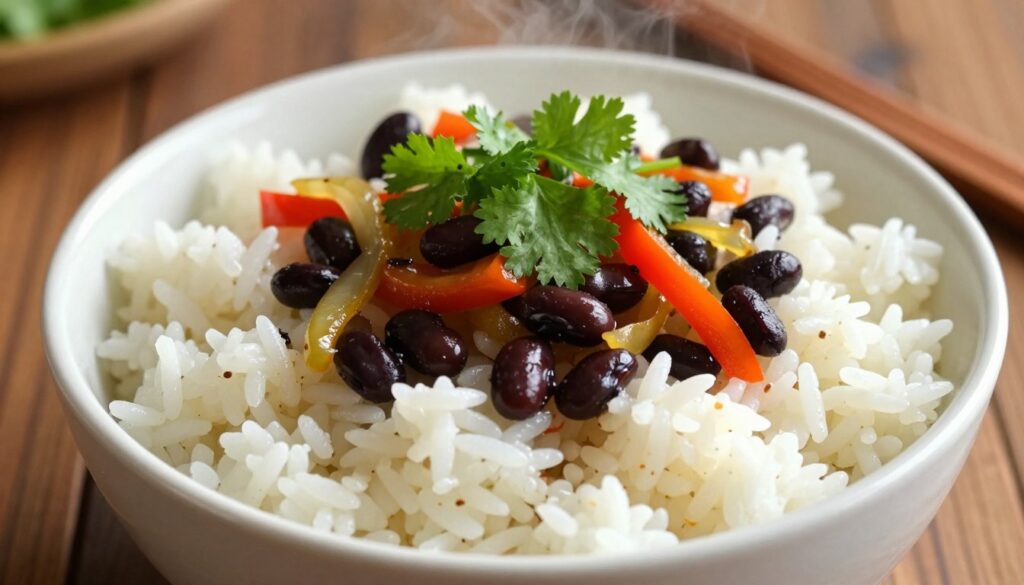
The base of a great bowl starts simple: rice, beans, and a few veggies that add volume, not calories. Pick these foundation ingredients first. They shape fullness, carbs, and the final calorie count.
Cilantro-lime rice options
All rice choices are listed at 210 calories per 4 oz. Brown, white, and cilantro-lime rice share the same calories. So choose for taste and texture, not calorie savings.
Black beans vs. pinto beans
Both beans are 130 calories per 4 oz and supply about 8g protein. Black beans have 7g fiber; pinto beans have 8g. The small differences are about flavor and mouthfeel, not big calorie swings.
Fajita veggies and lettuce
Fajita veggies add bulk for only 20 calories per 2 oz. Romaine lettuce is 5 calories per ounce. Use these veggies to make a bowl feel larger without heavy toppings.
Lower-carb ordering path
To cut carbs, skip rice and beans. Load fajita veggies and lettuce, then use salsa for flavor instead of dairy. When your base is set, move on to toppings—where calories climb fast.
| Ingredient | Portion | Calories |
|---|---|---|
| Cilantro-lime / Brown / White rice | 4 oz | 210 |
| Black beans | 4 oz | 130 (8g protein, 7g fiber) |
| Pinto beans | 4 oz | 130 (8g protein, 8g fiber) |
| Fajita vegetables | 2 oz | 20 |
For a practical example, try a lighter burrito bowl by choosing veggies and lettuce as your base and skipping rice beans together.
Salsa, Cheese, Sour Cream, Queso Blanco, and Guacamole: Toppings That Add Flavor and Calories
Add-ons bring big flavor and they add calories fast. Pick one or two heavier toppings and let salsa carry the rest. That keeps your build tasty and balanced.
Mild-to-hot salsa guide
Fresh Tomato Salsa brightens a dish at about 25 calories per 4 oz. Roasted Chili-Corn Salsa gives sweet-heat and texture and is about 80 cal per 4 oz.
Tomatillo-Green Chili Salsa runs 15 cal per 2 oz. Tomatillo-Red Chili Salsa is 30 cal per 2 oz. Use salsa to add flavor with minimal calories.
Dairy decisions made simple
Shredded cheese is 110 cal per ounce. Sour cream is 110 cal per 2 oz. Queso Blanco is roughly 120 cal per 2 oz. Avoid stacking all three.
Guacamole as topping or side
Guacamole is 230 calories per 4 oz. As a topping, a spoonful adds richness. As a side, it’s easier to share and portion to save calories and cost.
Smart topping combos
- Burrito: salsa + a light sour cream for moisture, not both queso and guac.
- Bowl: pick either queso or guacamole for richness.
- Tacos: corn salsa and lettuce for crunch; skip heavy dairy.
- Salad: tomatillo salsa for punch and measured vinaigrette.
| Topping | Portion | Calories | Best uses |
|---|---|---|---|
| Fresh Tomato Salsa | 4 oz | 25 | Low-cal freshness for bowls, tacos |
| Roasted Chili-Corn Salsa | 4 oz | 80 | Texture and sweet-heat on tacos, burrito |
| Shredded Cheese / Sour Cream / Queso Blanco | 1 oz / 2 oz / 2 oz | 110 / 110 / 120 | Pick one for creaminess; avoid all three |
| Guacamole | 4 oz | 230 | Topping or side—share to save calories |
Big toppings can raise price as well as calories, depending on location. Once toppings are set, sides like chips or dips are the next choice to watch.
Chips, Sides, and Add-Ons That Round Out a Chipotle Meal
Thinking about sides early keeps your order balanced and your bill steady. Small extras add flavor, but they also add calories and cost. Plan if you want a simple entree or a fuller plate to share.
Chips & queso blanco versus chips & guacamole
Regular chips & queso blanco runs about 780 calories and typically serves two. Regular chips & guacamole is close at 770 calories for two. Large versions push totals near 1,270–1,290 calories and often serve three.
“Serves 2/3” usually means two adults sharing or three people with small portions. Sharing a large can be more cost-effective than multiple regulars.
Simple sides that pair well
Chips alone are roughly 540 calories for a regular portion. Chips & salsa lands around 560–620 cal. Side beans are a travel-friendly add and cost about $2.25 per side (black or pinto).
| Item | Calories | Serves | Sample price |
|---|---|---|---|
| Chips (regular) | 540 cal | 2 | $— (varies) |
| Chips & Queso Blanco (regular) | 780 cal | 2 | $5.05 (sample) |
| Chips & Guacamole (regular) | 770 cal | 2 | $5.05 (sample) |
| Side of beans (black or pinto) | 130 cal (4 oz) | 1 | $2.25 (sample) |
Pairing tip: if your entree is rich with cheese or sour cream, pick salsa instead of guacamole. If your entree is lean, guacamole adds satisfying fats. Confirm prices at the board or app before you pay. Next up: drinks and kid-friendly choices to finish your order.
Drinks and Kids’ Menu: Family-Friendly Choices and What They Include
What you sip and what the kids eat can change calories and cost fast. Keep drink choices simple and match portions to appetite.
Fountain options vary by size. Soda & Iced Tea run near-zero to about 300 calories for a regular 22 fl oz, and up to 440 for a 32 fl oz. Organic Lemonade and agua fresca are sweeter. Expect roughly 170–230 calories for a regular and 250–330 for a large.
Bottled drinks cover a wide range. Check labels or the app if you track calories. Beer typically falls between 110–170 calories.
Kids’ Build Your Own comes with a choice of crispy corn or soft flour tortillas, two toppings, and a side of fruit or kid’s chips. It also includes an organic juice or milk.
| Item | Calories (range) | Includes |
|---|---|---|
| Kids Build Your Own | 350–810 | tortillas, 2 toppings, fruit or chips, drink |
| Small Cheese Quesadilla | 530–710 | cheese quesadilla, rice, beans, fruit or chips, drink |
| Drinks | 0–440 | Soda & Iced Tea, bottled drinks, lemonade, agua fresca |
Simple family tip: share chips or a side to keep kids’ plates lighter. For a familiar finish, build a kid bowl with rice, beans, mild salsa, and light cheese. Next, learn quick ordering tips to save time and money.
Ordering Tips to Get the Best Chipotle Experience Every Time
Make a quick plan before you reach the counter or tap to pay. Choose your format first: burrito, bowl, or burrito bowl. That one decision shapes price, calories, and portability.
Step-by-step: pick an entree, choose protein, add rice or beans, load fajita veggies, then select toppings, sides, and drinks. Use salsa as your main flavor and limit rich add-ons like cheese, sour cream, queso blanco, or guacamole.
Two reliable builds: a high-protein chicken bowl (chicken + beans + fajita veggies) and a steak burrito with tight toppings to avoid big calorie jumps. Remember: tortillas add about 320 cal; bowls help portion control.
Prices and nutrition may vary by store and may vary with portioning, recipes, and seasons. Review allergen information online, tell staff about allergies, and keep builds simple when in doubt. Small choices beat every topping every time.