Does Panda Express Have Gluten Free
You want clear answers before you order. At many locations, panda express does not run a dedicated gluten-free restaurant, but some menu items are naturally gluten-free by ingredient.
This short guide explains what counts as safer picks, what typically contains gluten, and simple steps to lower exposure. Rice bowls often seem safe. Sauces and shared equipment can change that risk.
The goal is practical help for everyone. Whether you avoid gluten by choice, manage sensitivity, or need strict medical caution, this section sets expectations and next steps.
You’ll get a short list of safer options, items to avoid, and questions to ask at the counter. For a fuller menu breakdown and tips, see this Panda Express gluten information guide.
Is Panda Express gluten-free in the United States right now?
Many menu items read safe on paper, but cooking practices can change that. In the U.S., panda express is not a gluten-free restaurant. Ingredients and sauces are prepared in the same kitchen, so the business cannot guarantee a zero-gluten environment.
Why that matters: a dish that lacks wheat on its label can still pick up crumbs or sauce during cooking. Shared equipment like woks, fryers, and utensils increases cross-contamination risk. Even small traces can matter for sensitive people.
Common menu sources include soy sauce and wheat-based coatings. Those with celiac disease or a severe gluten allergy should avoid this chain entirely. If you follow a strict diet but do not have severe allergens, consider asking staff about clean utensils or fresh batches.
| Menu Item | Typical Gluten Source | Shared Equipment Risk | Safe for Strict Celiac? |
|---|---|---|---|
| Steamed Rice | None in recipe | High (same scoops/woks) | No |
| Orange Chicken | Wheat batter, soy sauce | High (fried in shared oil) | No |
| Chow Mein | Wheat noodles, soy sauce | High (shared utensils) | No |
Quick habit: check the chain’s website or ask in-store before you order. Policies and ingredient lists change, and a brief double-check can help you make a safer choice.
Does Panda Express Have Gluten Free menu options?
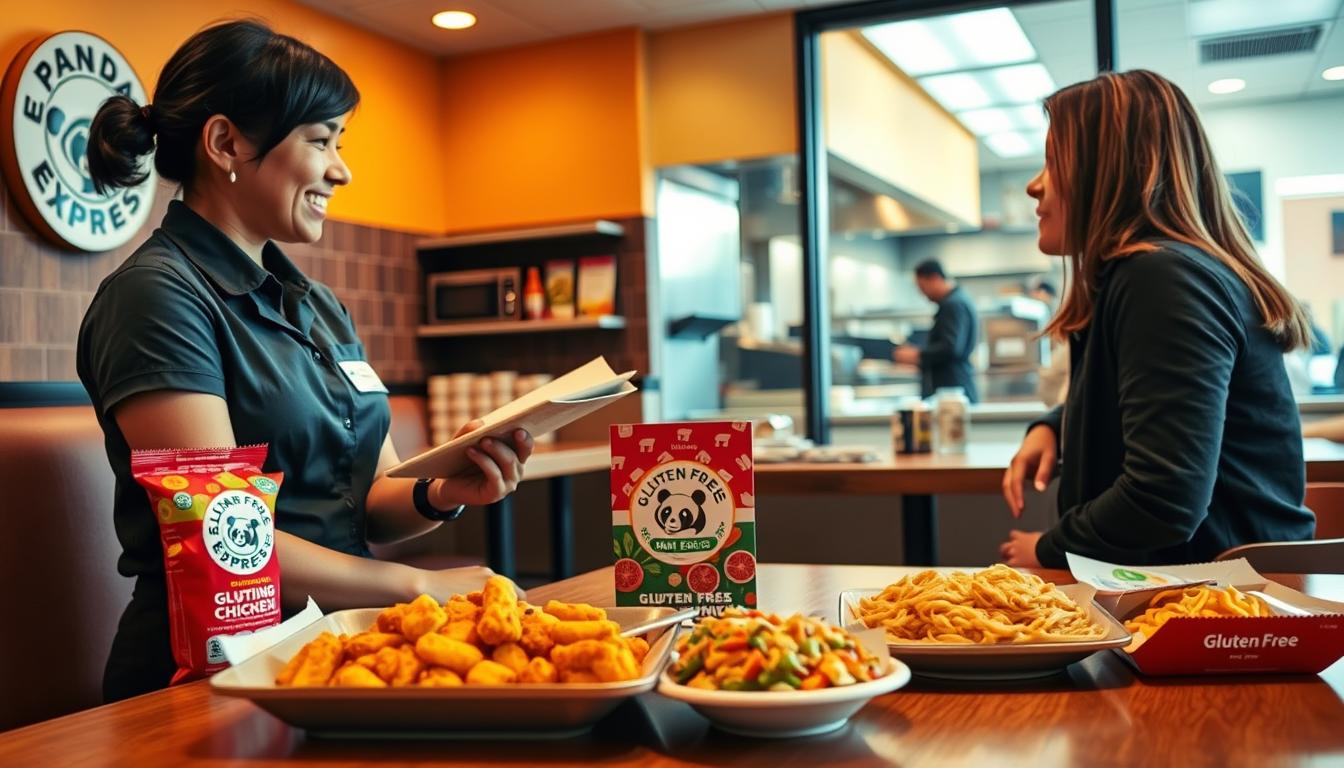
A simple way to lower wheat exposure is to build meals around plain bases and sealed snacks. Read ingredient lists and pick single-ingredient sides when you order.
What “naturally gluten-free” means here
“Naturally gluten-free” means the recipe does not list wheat or related ingredients. It does not promise protection from cross-contact in a shared kitchen.
Gluten-free sides
The most reliable sides are steamed white rice and brown steamed rice. Use rice as your base to reduce exposure from battered or sauced items.
Safer sauces and drinks
Sauces often cause confusion. Sweet & Sour, Chili, Hot Mustard, and Plum are commonly listed without wheat ingredients. Ask staff to confirm the current sauce ingredient on the website or at the counter.
Fountain beverages and brewed teas are simple choices. Packaged Tree Top Apple Crisps in the Cub Meal add a lower-risk snack option.
Quick reminders
- Check current ingredients before you order.
- Request clean utensils or a fresh batch if possible.
- Shared woks, fryers, and ladles can cause cross-contact. Treat these options as lower risk, not zero risk for serious allergen needs.
Menu items that usually contain gluten (and why)
Some popular dishes on the counter are clear gluten traps you should know about. These menu items list wheat or use shared tools that raise risk.
Orange Chicken
Orange chicken is battered with wheat flour and egg. The official ingredient list names wheat and a proprietary batter.
The finishing sauce also includes soy sauce. That combination means orange chicken clearly contains wheat and is not safe for strict diets.
Fried rice
Fried rice may seem safe because it’s rice, but it is often tossed with soy sauce. Shared spoons and woks add cross-contact risk.
Ask about a fresh batch, but know this dish commonly contains wheat via sauce or prep tools.
Chow mein and noodles
Chow mein uses wheat-based noodles. Any noodle dish will contain wheat unless labeled otherwise.
Fortune cookies
Fortune cookies contain wheat and may include egg and soy. They are a dessert trap even when entrees feel lower risk.
| Item | Main gluten source | Typical price (USD) |
|---|---|---|
| Orange Chicken | Wheat flour batter; soy sauce | $8.50 |
| Fried Rice (side) | Soy sauce; shared utensils | $3.50 |
| Chow Mein | Wheat noodles | $6.50 |
| Fortune Cookies (pack) | Contains wheat; may contain egg/soy | $1.00 |
When you scan the menu, look for listed ingredients and clear notes about wheat. These checks help you avoid surprises at the counter.
Common entrées people ask about and their gluten status
Common entrées draw the most questions when you try to eat with care at a fast-casual counter. Below are the most-searched items and a plain answer about risk.
Kung Pao Chicken
Kung pao chicken lists simple ingredients: chicken, peppers, peanuts. Still, shared woks and ladles create cross-contact. Sauces may contain soy sauce, so this dish is not safe for strict avoidance.
Grilled Teriyaki Chicken
Grilled teriyaki chicken tastes lighter, but teriyaki sauce usually uses soy sauce with wheat. That sauce makes the plate risky for anyone needing to avoid wheat-containing items.
Broccoli Beef
Broccoli beef is served in a ginger soy-style sauce. Soy sauce is a common source that can contain gluten. Shared equipment adds another exposure point.
Beijing Beef and crispy proteins
Beijing beef and similar crispy chicken use battered coatings and shared fryers. Breading and shared oil raise the chance that items will contain gluten.
- Quick takeaway: if you avoid wheat strictly, skip these entrées rather than hope for a clean swap.
- Ask staff about fresh batches, clean utensils, or separate prep when possible.
| Entrée | Main risk | Safe for strict avoidance? |
|---|---|---|
| Kung Pao Chicken | Cross-contact; soy sauce | No |
| Grilled Teriyaki Chicken | Teriyaki sauce (soy) | No |
| Beijing Beef | Breading; shared oil | No |
Hidden gluten at Panda Express: ingredients and sauces to watch
Hidden ingredients and sauces can sneak gluten into familiar bowls and plates. Know the usual hotspots so you can order with more confidence.
Soy sauce and oyster sauce as top gluten sources
Soy sauce often includes wheat. Oyster sauce can, too. These two sauces sit behind many classic flavors. When a dish lists soy-based items, assume wheat may be present unless the ingredient info says otherwise.
Wheat flour in batters and “crispy chicken” coatings
Breading and crispy chicken coatings usually use wheat flour. That batter traps flavor and texture. Fryers and shared oil can spread crumbs across plates.
Thickened sauces and proprietary flavor ingredients
Thickened sauces may use wheat-derived thickeners or stabilizers. Proprietary blends add uncertainty. For certainty, check the official ingredient and allergen statements on the company website before ordering.
- Spot sauces that list soy or oyster in the ingredient list.
- Assume crispy textures use wheat flour unless labeled.
- Use the website for current allergen and ingredient updates.
| Item | Main gluten risk | Check |
|---|---|---|
| Sauces | Soy sauce / oyster sauce | Ingredient list on website |
| Crispy chicken | Wheat flour batter | Ask staff; check allergen info |
| Thickened dishes | Hidden wheat thickeners | Verify ingredient list |
How to order with less gluten exposure (not zero risk)
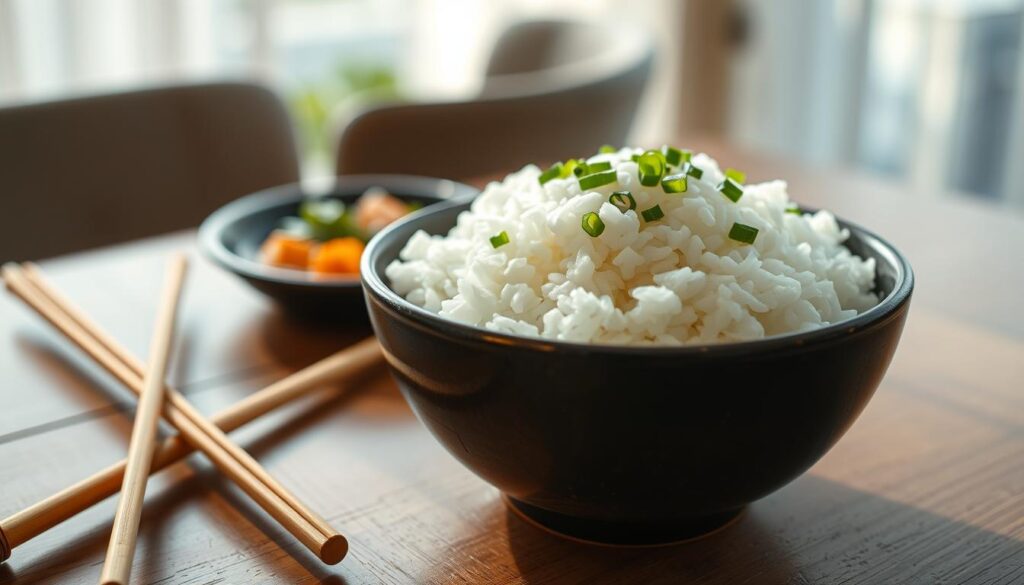
Smart ordering helps reduce cross-contact in a busy quick-service kitchen. You can lower risk, but you cannot promise zero contact when equipment and staff handle many items.
Best lower-risk pairing
Pick steamed rice as your base. Plain rice keeps most wheat sources away from your bowl.
Add a small amount of sauces that list no wheat on the ingredient panel. A light pour limits exposure from shared ladles and saucers.
What to ask in-store
- Request a clean scoop or fresh batch for rice.
- Ask for clean utensils and a separate spoon for sauces.
- If you are sensitive, ask a manager to confirm handling or check the menu allergen notes.
Why shared equipment matters
Shared fryers, woks, grills, and oil carry crumbs and batter from wheat-coated proteins. Those particles travel. Even a quick toss can cause cross-contamination.
Fast-paced kitchens move items rapidly. That increases the chance of accidental contact between items and surfaces.
| Choice | Why it helps | Notes |
|---|---|---|
| Steamed rice | Simple base with no wheat in recipe | Ask for a fresh scoop |
| Careful sauces | Limit amount to reduce shared-ladle risk | Confirm ingredients on the website or with staff |
| Manager check | Extra confirmation for handling | Helpful when you have severe allergens |
Safer next steps if you’re gluten-free and still crave Panda Express flavors
Sometimes the kindest answer to a craving is to recreate it at home. Make copycat dishes using trusted swaps so you can enjoy takeout-style meals with less risk.
Use tamari or another gluten-safe soy sauce and a rice-flour batter for crispy chicken. Batch steamed rice, quick stir-fried veggies, and a bright sweet-tangy sauce for easy weeknight meals.
If you still dine out, ask about cross-contact and check the chain’s ingredient notes on the website. Even restaurants with labeled menu options may share woks and fryers.
For a practical starting point, see this short gluten guide for ingredient tips and safer swaps. Trust your instincts: protecting your health is worth the little extra planning.