How To Order At Chipotle
You can move through the line fast once you know the questions staff will ask. Expect a friendly pace. Tell them your entrée style, then pick a base and protein.
The customizable menu lets you build a meal for flavor, budget, or diet. Portions matter. Extras like double scoops and premium toppings add calories and cost.
This guide keeps choices simple. Start with an entrée, choose rice or greens, add a protein, then finish with salsas and sides. You’ll see three common ways people order: in person, app, and delivery, and how each affects speed and value.
Near the end, copy-and-paste example orders will help on busy days. You’ll learn quick swaps that keep comfort and cut excess. Read on for clear steps and real examples.
How To Order At Chipotle
Deciding what matters most—flavor, calorie intake, budget, or diet—makes the line less stressful.
You can pick a “north star” before you reach the counter. Focus on craving, intake targets, or budget. That single choice guides every swap.
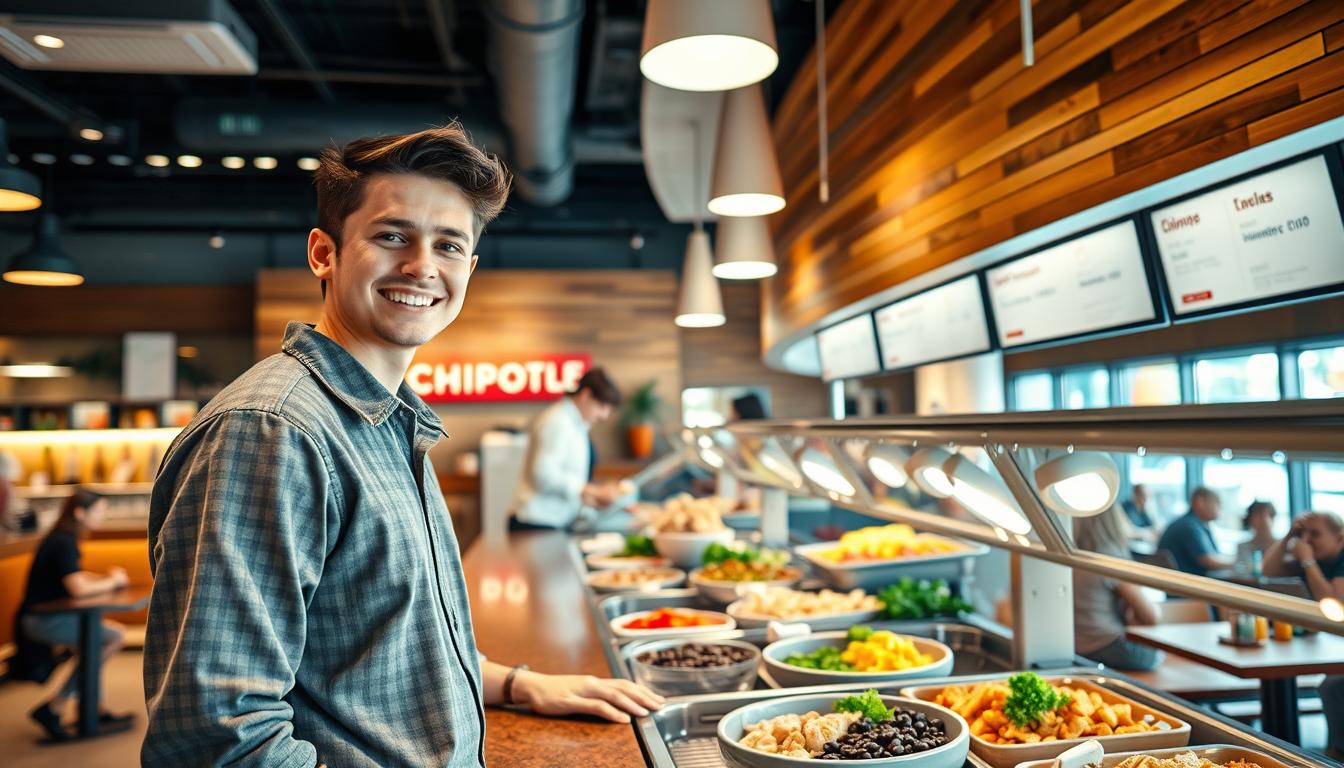
Know the assembly line flow
The rhythm is simple: base → protein → beans or veg → toppings → salsa. Say your base and protein quickly. This keeps pace and reduces wasted time.
Pick your ordering route
In-person gives you control and can help avoid a skimpy entrée. The app is fastest when lines are long and it helps schedule pickup. Delivery is the most convenient option but may add service fees and menu price adjustments.
| Route | Best for | Typical trade-off |
|---|---|---|
| In-person | Control over portions and quick swaps | No extra fees, slightly more time |
| App | Skip lines and save favorite builds | Pickup windows; app promos may appear |
| Delivery | Convenience when you lack time | Service fees and location-based charges |
Save a favorite build in the app once you find an intake and taste combo that works. For budget wins, load bulk ingredients like beans and fajita veggies instead of premium add-ons.
Choose your entree style: burrito, burrito bowl, or salad bowl
Start by deciding if you need easy grab-and-go, make-ahead flexibility, or a lighter plate.
When a burrito makes sense (and when the tortilla calories add up)
A handheld burrito is simple and satisfying. It works best when you need one-handed eating or quick pickup.
Remember a standard tortilla is about 320 calories. That single wrap can be the largest calorie hit in the whole meal.
Why a bowl is the easiest option for customization and leftovers
A bowl gives you control over portions and textures. You can split it into two meals or reheat components later.
Choose a burrito bowl when you want flexibility. It keeps ingredients fresh and travels better than a wrapped entrée.
How a salad bowl keeps things lighter with a supergreens base
A salad bowl with supergreens trims calories while still feeling like a complete meal. Lettuce adds volume without much cost.
Use the greens base if you want lower calories and a crisp, fresh bite that holds sauces well.
| Entrée | Typical calories | Best for |
|---|---|---|
| Burrito | Base tortilla ~320 + fillings | Handheld convenience |
| Burrito bowl | Rice/greens + proteins; easier to halve | Customization and leftovers |
| Salad bowl | Lower overall calorie count with greens | Lighter meals and lower carbs |
Start with the right base: rice, greens, or both
Pick the base that matches how you want to feel after your meal. The foundation you choose affects fullness, flavor, and overall calories.
Cilantro-lime rice for quick energy vs brown rice for more fiber
Cilantro-lime rice gives a fast boost of energy. It’s great when you need fuel before activity or a long run.
Brown rice adds more fiber and keeps you satisfied longer. Choose brown rice when steady fullness matters.
Low-carb base swaps: salad greens or a lighter rice scoop
Salad greens cut carbs and trim calories while still adding volume. A lighter rice scoop keeps texture without the full carb load.
- Need quick energy? Pick cilantro-lime rice and pair with lean protein.
- Want steady fullness? Choose brown rice for fiber and longer satiety.
- Want both? Ask for half rice and half greens for comfort plus a lighter feel.
| Base | Best for | Note |
|---|---|---|
| Cilantro-lime rice | Quick energy | Higher immediate fuel, fewer grams fiber |
| Brown rice | Steady fullness | More fiber, longer satiety |
| Salad greens / light rice scoop | Lower calories | Volume with fewer carbs |
Tip: if you’re tracking intake, keep the same base for a week. That helps you learn what fits your routine. Remember that rice plus beans and creamy toppings can raise calories faster than you expect.
Pick a protein that fits your goal and flavor
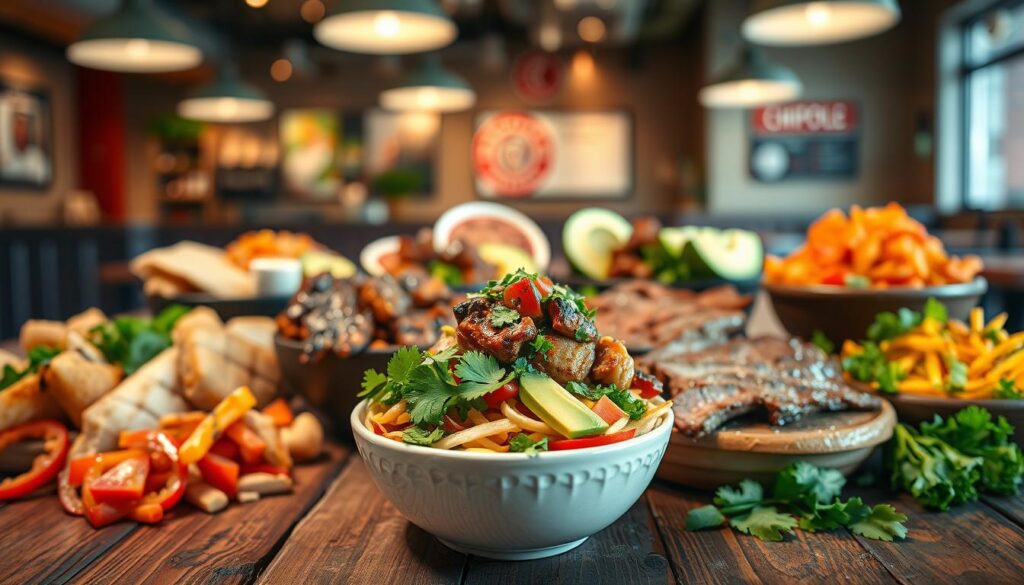
Choose your protein first and let the rest of the bowl fall into place.
Chicken as a lean, dependable staple
Chicken is a lean protein that pairs with almost any topping. It keeps calories lower and stays versatile.
Steak for richer flavor
Steak brings a fuller, savory bite. Pick steak when you want a heartier mouthfeel and solid protein.
Plant-based options: sofritas
Sofritas is a seasoned tofu choice for vegetarian and vegan diners. It offers spice and texture as a plant-based protein.
Beans as a second protein
Beans add protein plus fiber, but they raise carbs. Black beans make a great bulk option if you want extra satiety.
- Pick protein first so rice, veggies, and sauces support it.
- Half-and-half meat is charged at the higher meat price. Ask clearly.
- Try saying: “Half chicken, half steak, please,” then confirm the charge.
| Protein | Best for | Note |
|---|---|---|
| Chicken | Lower calories, flexible | Pairs with any base |
| Steak | Richer taste | Hearty option |
| Sofritas / Beans | Vegan or fiber boost | More carbs with beans |
Add beans, fajita veggies, and other “bulk” ingredients strategically
Smart additions like beans and veggies stretch a meal for less. They add volume and keep you full without relying only on meat or cheese.
Black beans plus rice for lasting fullness
Black beans and rice form a classic combo. Together they give protein and slow-burning carbs. That makes the bowl feel more like a full meal.
Fajita veggies for crunch and nutrients
Fajita veggies add cooked, smoky flavor and more bulk. Use them first when you want extra volume without many extra calories.
When to ask for extra
Ask for extra veggies when you want leftovers or the best value. Skip extra rice or beans if you are watching calories. Even free ingredients count toward the total calories.
| Ingredient | Best use | Calories note |
|---|---|---|
| Black beans | Protein + fiber for satiety | Moderate calories; adds bulk |
| Rice | Energy and texture | Adds carbs; raises meal calories |
| Fajita veggies | Volume, crunch, nutrients | Low calories; high value |
| Salsas & extras | Flavor without meat | Varies; sauces can raise calories |
Build flavor with toppings without blowing up calories
Pick toppings with purpose so each bite has contrast and your meal stays on track.
Fresh picks that add crunch and brightness
Start with romaine lettuce and diced tomato for volume and fresh flavor. These toppings add texture and bright notes while keeping calories low.
Other veggie-forward toppings, like fajita peppers or fresh cilantro, give interest without much calorie cost. Choose two or three and skip extras that overlap.
Use creamy, calorie-dense add-ons sparingly
Sour cream, cheese, and similar cream options change the calorie profile fast. Even a small scoop can add saturated fat and a big calorie lift.
If you want cream without too many calories, ask for light sour cream or a light cheese portion. Better: pick only one creamy topping instead of stacking two.
Queso blanco: a treat worth planning for
Queso is a comforting upgrade. Save it for a treat meal, sharing chips, or when you skip other rich add-ons.
Keep control by asking for queso on the side. That lets you dip or drizzle and limits excess calorie and sodium load.
- Build flavor by choosing toppings on purpose instead of saying “yes” to everything.
- Texture checklist: something crunchy (lettuce), something juicy (tomato), something creamy (one choice).
- Ask for toppings on the side when you want portion control.
Choose your salsa lineup: mild to spicy (and not just one)
Salsa is where the real flavor decisions happen; you can mix and match for layers of taste. You are not limited to a single scoop. Small choices change texture and heat in bowls and burritos.
Fresh tomato salsa for brightness and texture
Fresh tomato salsa brings bright, chunky bites. It adds a raw tomato crunch that lifts the bowl without heavy calories.
Roasted chili-corn salsa as sweet-heat with extra ingredients
Roasted chili-corn salsa offers sweet heat and extra ingredients like corn and peppers. That mix adds chew and a touch of sweetness to each spoonful.
Tomatillo green versus tomatillo red: tang versus heat
Tomatillo green leans tangy and bright. Tomatillo red brings more heat and depth. Pick green for tang, red for a spicier finish.
Multiple salsas, calories, and burrito leak risk
Mixing salsas can quietly add about 150 calories when you combine scoops. More saucy toppings also make a burrito soggier and harder to wrap.
If you want bold flavor but cleaner takeout, ask for extra salsa on the side. That keeps bowls tasty and burritos tidy for the ride home.
| Salsa | Flavor | Key ingredients | Notes (calories & leak risk) |
|---|---|---|---|
| Fresh tomato salsa | Bright, chunky | Tomato, onion, cilantro | Low calories, low leak risk |
| Roasted chili-corn salsa | Sweet + smoky heat | Corn, peppers, roasted chili | Moderate calories, medium leak risk |
| Tomatillo green / red | Tang (green) / Spicy (red) | Tomatillo, chiles, lime | Low-moderate calories, higher leak if mixed |
Guacamole, queso, and premium add-ons: when to say yes
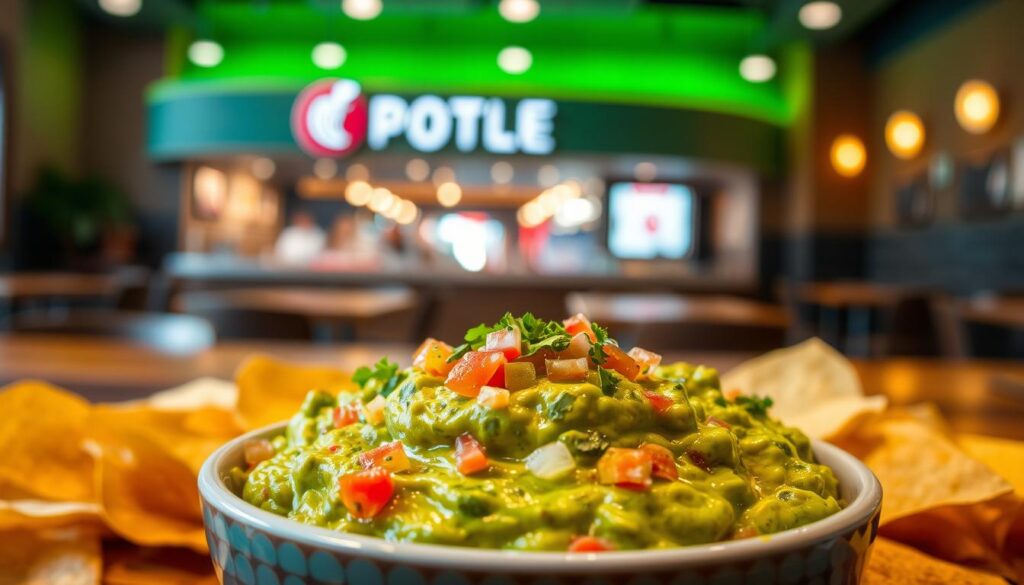
A single scoop of guacamole can make a meal feel finished and indulgent.
Why guacamole works and why portions matter
Guacamole adds creamy comfort and heart-healthy fats. It also brings fiber that helps your bowl feel more satisfying without extra cheese.
One serving contains about 22g of fat. That matters if you track calories or fat for the day. Enjoy a scoop, but be mindful of portions.
Getting guac with a vegetarian veggie option (where available)
Some locations include guac with a vegetarian “veggie” entrée. Ask staff or check the menu for that option. If you want control, request guac on the side.
Premium add-ons and extra charges
Guac and premium toppings usually cost extra. Asking for “extra” can trigger a second charge. A simple budget rule: pick one premium add-on per meal unless you’re treating yourself.
- Choose guac for creaminess instead of stacking cheese and sour cream.
- Ask for guac on the side for better takeout texture and less sogginess.
| Add-on | Benefit | Typical price (USD) |
|---|---|---|
| Guacamole | Creamy fat, fiber, satiety | $2.00–$3.50 |
| Queso | Rich, melty flavor upgrade | $1.50–$3.00 |
| Extra scoop | Bigger portion; may double charge | $1.50–$3.00+ |
Use sides to customize texture, value, and leftovers
A few smart sides change texture, value, and how your leftovers behave. Small swaps help when you’re feeding a family or packing tomorrow’s lunch.
Order a tortilla on the side to stretch a bowl
Ask for a tortilla on the side for about $0.50. That single wrap can turn one burrito bowl into two quick meals.
Remember: a tortilla adds roughly 320 calories. It’s a great value play if you want extra portions, but not ideal for lighter goals.
Ask for ingredients on the side
Get messy items like queso, guac, or salsa separately. This keeps takeout tidy and lets picky eaters add only what they like. It also reheats cleaner the next day.
Try meat as a side
Ordering protein on the side can boost portions. Note that actual amounts vary by location and staff. Treat it as a possible win, not a guarantee.
Chips, salsa, and mix tips
- Use roasted corn salsa with chips for a sweeter bite.
- Add fresh tomato salsa to make chips feel lighter.
- Mix fillings in person so every bite balances rice, beans, and sauce.
Order in person vs the app: lines, portions, and timing
Pick the ordering method that matches your day: full control, quick pickup, or pure convenience. Each choice shifts how your bowl or burrito is built and how much you wait.
Why in-person ordering helps avoid skimpy portions
When you stand at the counter you can watch each scoop. You can ask for a little more rice, an extra scoop of beans, or less cheese. That visibility cuts the chance of a tiny portion.
Try asking for extras politely. Staff usually accommodate small tweaks faster in person than through text fields.
How the app helps skip long lines
The app gives reliable pickup windows during rush time. Use it when the dining room is busy and you need a predictable arrival window.
Practical tip: place your pick-up before you leave home. That keeps you out of both the ordering line and the pickup crowd.
Watch for delivery fees and location-based charges
Delivery adds convenience but may raise menu prices and tack on service fees. Fees often vary by zip code and carrier.
Check the small print before you finalize. For an example of extra charges and perks, see delivery fee details.
- Best control: in-person for portion checks and immediate swaps.
- Best speed: app for avoiding lines and locking a pickup time.
- Best convenience: delivery when you need food brought to your door—watch fees.
| Method | Strength | Watch for |
|---|---|---|
| In-person | Full portion control | Wait time depends on line |
| App | Predictable pickup time | Pickup crowd; app windows |
| Delivery | Doorstep convenience | Higher menu prices and fees |
Simple habit: try a new build in person, then save it in the app once it’s dialed in. That keeps your future picks consistent and saves time.
Save money with Chipotle Rewards, promos, and smart ordering habits
Rewards, promos, and smart swaps make dining out friendlier to your wallet. Check your account before you build an order so you do not miss free chips, guac, or queso credits.
Check the Rewards tab before you order
Open the app and visit Rewards. Some free items appear as one-time redemptions. Claim them before checkout so the benefit applies to your cart.
How points add up toward a free entrée
Earn 10 points per $1 spent. A free entrée needs about 1,625 points. That means roughly $162.50 in tracked purchases nets a free entrée over time.
- Check Rewards first so you don’t miss a freebie.
- Pick one premium add-on and lean on veggies for bulk.
- Save more by ordering during app-only promos and reading terms.
| Benefit | Details | Tip |
|---|---|---|
| Rewards math | 10 points per $1 → 1,625 points = free entrée | Stick with regular purchases to reach a reward |
| Promo example | Some promos waive delivery but may add minimums or higher menu prices | Read service-fee and state exceptions before completing orders |
| Kids menu | Smaller portions, fewer toppings — lower calories and value | One adult bowl plus a kids meal can balance family value |
Use these simple habits and a quick Rewards check each day. You’ll keep taste high and costs lower without sacrificing the meal you want.
Example orders you can copy for common goals
Use these sample builds as a quick script for the counter or the app. Each one is nutrition-minded and easy to tweak for appetite or goals.
High-protein chicken burrito bowl
Build: brown rice, light black beans, double chicken, fajita veggies, fresh tomato salsa, tomatillo green, romaine, light cheese.
Why: steady energy and solid protein. Reduce rice or skip cheese if you want fewer calories.
Paleo-friendly steak salad bowl
Build: supergreens base, steak, guacamole, fajita veggies, fresh tomato salsa, tomatillo red.
Why: greens-first, satisfying fat from guacamole, and hearty steak flavor. Ask for guacamole on the side for portion control.
Low-carb keto salad bowl
Build: supergreens, chicken, mixed salsas, small sour cream, light cheese.
Why: keeps carbs low while giving flavor and fat. Cut sour cream or cheese down if you need fewer calories.
Validate calories with the nutrition calculator
Use the nutrition calculator before checkout. Enter each ingredient from these examples to see calories, protein, and fat totals.
Adjust rice, guacamole, or cheese up or down until the numbers match your target. Remember: balance and portions matter more than any single ingredient.
Make your next Chipotle order faster, tastier, and more dialed-in
A repeatable game plan brings speed and better bites every time you visit. Start with your format, pick a base, name your protein, then finish with toppings and salsa for balance.
Favor extra veggies for volume. Use premium add-ons like guacamole with intention. Save sides when you want leftovers or easier sharing.
Your best pick is one you can repeat. Save a go‑to build and one treat option. That reduces decision fatigue and keeps calories, rice, and beans predictable.
Use the examples in this guide. Tweak one variable at a time and you’ll get a faster, tastier Chipotle routine without the guesswork.