
Is Chipotle Healthy For You
Deciding whether a fast-casual visit fits your goals starts with a clear definition of “healthy.” In this guide, healthy means balanced calories, protein, fiber, and mindful portions. That way you can judge if a meal meets your day, appetite, and aims.
A bowl, salad, or burrito can end up very different. The final nutrition depends on the base, protein, beans, veggies, and toppings you pick. Small swaps make big changes to calories and sodium.
You control the biggest levers: greens versus rice or a tortilla, lean proteins, extra beans or veggies, and simple sauces. Use the restaurant’s nutrition calculator to keep numbers in check.
This piece will show reusable order builds for lighter meals, higher protein, or lower carbs. It also covers menu tools and allergy filters so ordering feels confident and less like guesswork.
What “Healthy at Chipotle” Really Means in the U.S. Today
Think about one meal at a time: balanced energy, protein, and fiber that match your day. A clear, usable definition helps you choose a sensible meal and track calories without stress.
Why customization matters
Customization is the main advantage. You can build a bowl or salad that is veggie-forward. Or you can pick a burrito when you want comfort. Both are valid options if you plan portions and pick nutrient-dense ingredients first.
When sourcing doesn’t equal lower calories
Labels like organic or responsibly raised speak to farming and handling. They do not guarantee fewer calories or less sodium. Proteins, salsas, and add-ons can raise sodium quickly even when the meal feels light.
Simple rule of thumb
Start with greens, beans, salsas, and fajita veggies. Add protein to match activity. Adjust extras for training days versus easy days.
| Base | Typical Calories | Typical Sodium (mg) |
|---|---|---|
| SuperGreens / Salad | 25–80 | 10–30 |
| Brown or White Rice | 210–280 | 5–10 |
| Flour Tortilla (burrito) | 300–320 | 400–500 |
Is Chipotle Healthy For You When You Build Your Order the Smart Way?
Start at the base and work up: small swaps at each station give big wins for macros and flavor.
Start with the best base
Pick SuperGreens or salad greens for a lighter, low-carb start. Brown rice offers more fiber and staying power than white rice if you need fuel.
Pick a protein that matches your macros
Choose chicken for lean protein. Steak adds flavor; barbacoa gives richness. Sofritas works as a plant-forward protein alternative.
Add beans and load veggies
Black beans or pinto beans add plant-based protein and fiber. Boost volume with fajita veggies, lettuce, and fresh salsas to keep calories low.
Toppings and portion control
Make guacamole your main rich add-on, or a small amount of cheese. Ask for “light” on rice or cheese to control calories and sodium.
| Choice | Why pick it | Quick tip |
|---|---|---|
| SuperGreens / Salad | Low-carb, low calories | Great for weight-loss bowls |
| Brown rice | Higher fiber, more filling | Use half portion to save calories |
| White rice | Comfort, quick carbs | Ask for light scoop to control calories |
The Most Nutrient-Dense Ingredients to Prioritize
Pick ingredients that give you the most nutrition per bite when time is tight. Favor items that boost fullness and vitamins so smaller portions feel satisfying.
Beans: a steady, affordable workhorse
Beans deliver plant-based protein and fiber in one simple scoop. They add bulk and keep a bowl feeling like a full meal.
Large studies link higher plant protein intake to lower all-cause mortality. Beans are a practical way to shift toward that pattern without extra cost.
Guacamole: satisfying fats with a tradeoff
Guacamole brings creamy flavor and healthy monounsaturated fat. Avocado intake also ties to better overall diet quality.
Be honest about portions. One serving can contain about 22 grams of fat. Treat guac as your single rich add-on and cut back on cheese or sour cream when you use it.
Veggies and salsa: free flavor, low calories
Load fajita veggies and tomato-based salsa to add vitamins, antioxidants, and texture. They keep calories low while boosting taste.
Salsa and extra veggies help smaller portions feel complete. That is the quiet trick to eating well on the go.
- Prioritize beans for protein and fiber.
- Pick guacamole sparingly to control fat and grams per serving.
- Use salsa and veggies to stretch ingredients and improve nutrition.
| Ingredient | Approx. Calories | Key benefit |
|---|---|---|
| Beans | 120 | Fiber, plant-based protein |
| Guacamole | 230 | Healthy fat — ~22 grams |
| Salsa (tomato) | 25 | Vitamins, low calories |
Common Calorie Traps That Make Chipotle Less Healthy
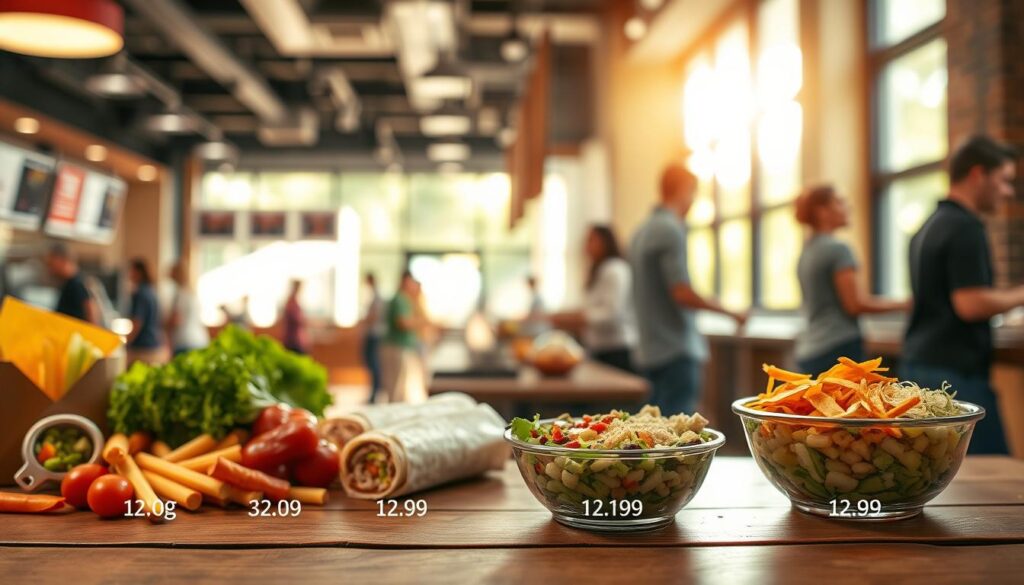
Small choices at the counter often decide whether a meal stays light or balloons into a calorie-heavy splurge. Spotting the usual traps helps you keep a satisfying meal without unintended extras.
Chips and queso: sides that add up
A large side of chips can be about 810 calories. Add queso blanco and that same order can reach roughly 1,290 calories.
Flour tortilla reality check
The typical flour tortilla carries about 320 calories with 50g carbs and only 3g fiber. A burrito can push overall totals past 1,200 calories if you add extra rice, beans, and dairy.
Dairy-heavy add-ons and the sodium/fat hit
Sour cream, cheese, and queso stack saturated fat and sodium quickly. Choosing all three raises calories and makes the meal less balanced.
- Swap salsa or fajita veggies for creaminess-by-flavor.
- Pick one dairy topping or ask for light portions of rice, cheese, or sour cream.
- Keep a flour tortilla as an occasional treat; opt for a bowl when you want lower carbs and more fiber.
| Item | Approx. Calories | Why it matters |
|---|---|---|
| Large chips | 810 | Major calorie source |
| Chips + queso blanco | 1,290 | Sides can eclipse mains |
| Flour tortilla | 320 | 50g carbs, 3g fiber |
| Dairy stack (sour cream + cheese + queso) | Varies — high | Raises saturated fat and sodium |
How to Order Based on Your Goal
Match your order to the day: what fuels a workout differs from what soothes an evening craving. Below are three clear paths so you can pick the best option without guessing at the line.
High-protein burrito bowl strategy
Start with a burrito bowl and pick chicken or steak as your main protein. Add a scoop of beans for extra protein and fiber. Choose fajita veggies and fresh salsa for flavor instead of cheese or sour cream.
You often don’t need double meat. Beans plus a solid protein deliver strong grams without ballooning calories.
Weight-loss friendly salad bowl approach
Begin with SuperGreens or salad greens. Pile on fajita veggies and salsa. Limit guacamole or cheese to keep calories near a 390-calorie benchmark.
That 390-calorie example (SuperGreens, black beans, veggies, salsa, guac) shows how filling a smaller meal can be.
Low-carb and keto-friendly options
Use Lifestyle Bowls or a SuperGreens base and skip rice and tortillas. Load the bowl with protein, salsa, and low-carb toppings. This keeps carbs down while staying satisfying.
Make it work anywhere: if you’re extra hungry, add more veggies first, then extra protein. Avoid chips and check the nutrition calculator to watch sodium and exact totals.
- Three quick paths: high-protein bowl, weight-loss salad, low-carb Lifestyle Bowls.
- Swap rice or brown rice for greens to cut calories and raise fiber.
- Use the calculator to lock in goals under 500 calories when desired.
| Goal | Core build | Quick tip |
|---|---|---|
| Muscle / protein | Burrito bowl, chicken or steak, beans | Skip double meat; add beans |
| Weight loss | SuperGreens salad, veggies, light guac | Aim ~390 calories |
| Low-carb / keto | Lifestyle Bowls or SuperGreens, protein | No rice or tortilla |
Dietary Needs and Allergens: What Chipotle’s Website Makes Easy
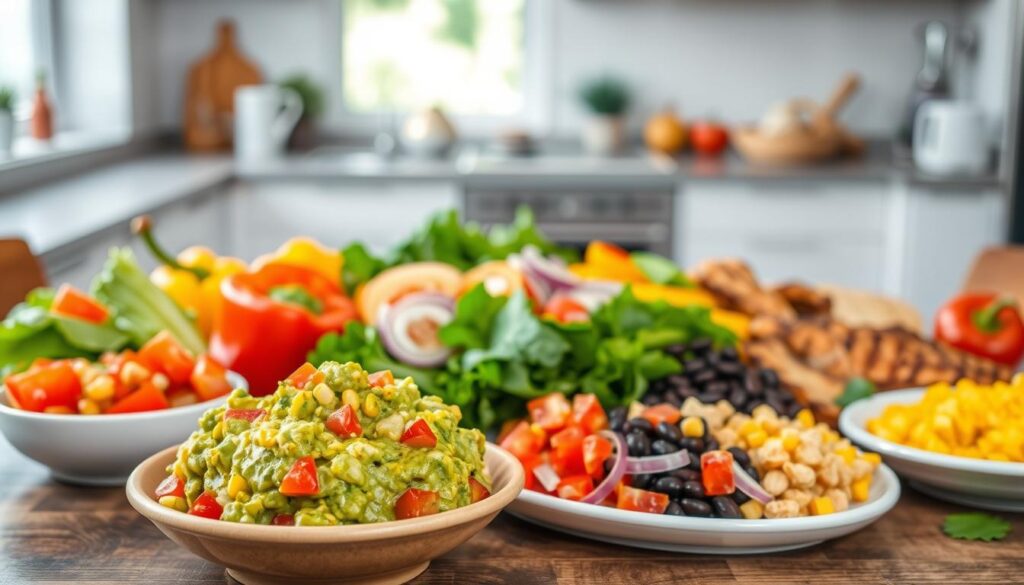
Checking allergen details on the restaurant website saves time and keeps orders safe at the counter. The online nutrition and ingredient pages list common allergens and show which menu items contain dairy, soy, gluten, or sulfites.
Gluten-free ordering
Choose a bowl or salad and skip the flour tortilla. Wheat and gluten show up mainly in tortillas, so avoiding wraps keeps cross-over risk low.
Plant-based and vegan options
Black beans, pinto beans, and sofritas work as a plant-based protein base. Build flavor with fajita veggies and salsas instead of sour cream or cheese.
Using the allergen and nutrition tools
Note that sofritas contains soy, so avoid it if soy must be excluded. Watch the topping station for sour cream and cheese when managing dairy-free needs.
- Scan the online allergen chart before you order.
- Pick bowl/salad to avoid tortilla gluten.
- Confirm your exact build with the nutrition and allergen tools: nutrition and allergen tools.
| Allergen | Common sources | Notes |
|---|---|---|
| Gluten | Flour tortilla | Avoid wraps for GF meals |
| Dairy | Sour cream, cheese | Ask for none or light portions |
| Soy | Sofritas | Check label if avoiding soy |
Your Next Chipotle Order: Balanced, Satisfying, and Still Delicious
Make each order feel like a simple checklist so hunger doesn’t steer choices. Start with greens or brown rice, add a solid protein, a scoop of beans, fajita veggies, and two salsas if you like extra zip.
Keep toppings minimal. Pick one richer item such as guacamole. Ask for light rice or one dairy topping to limit calories and sodium.
Comfort version: keep a flour tortilla if you want a burrito, but simplify the rest of the build to control totals. That way a satisfying meal still fits your goals.
Bottom line: this repeatable template helps you make a chipotle healthy choice. Use the chain’s nutrition tools to tweak any bowl or salad and make confident orders that match your health plan.