Is Panda Express Gluten Free
If you care about avoiding gluten, you deserve clear, practical answers before ordering at a fast-casual counter. This short guide explains what “gluten-free at Panda Express” can — and cannot — mean in the United States.
Know this up front: the chain is not a dedicated gluten‑free kitchen. Shared cookware and common ingredients like soy sauce and wheat flour raise the risk of cross-contamination. That matters if you have celiac disease or high sensitivity.
This is a buyer’s guide, not a safety guarantee. You’ll learn which menu items are naturally made from simple ingredients (steamed rice, some sauces, drinks) and which ones carry extra risk.
The article is organized to help you decide. First we define terms. Then we scan the real‑world menu, list what to avoid, and offer practical ordering tips. We’ll also point you back to official allergen resources before you order.
Read on to lower surprises at the counter and feel confident about your meal choice.
What “Gluten-Free” Really Means at Panda Express in the United States
A safe meal for someone avoiding gluten depends on both recipes and the way food is prepared. In practice, “gluten-free” must cover ingredient lists and the risk of cross-contact in a busy kitchen.
Why this isn’t a dedicated gluten-free kitchen
The brand runs a single cooking line. Woks, fryers, and prep surfaces serve battered and sauced items all day. That shared flow increases the chance that traces of wheat will transfer to other dishes.
Where wheat shows up most often
In American Chinese cuisine, soy sauce is a frequent carrier of wheat. Wheat flour appears in batters, thickeners, and some marinades. Proprietary flavor bases can hide flour or other wheat-based binders.
| Menu Element | Common Wheat Source | Risk Level | Typical Price (U.S.) |
|---|---|---|---|
| Battered Proteins | Wheat flour in breading | High | $6.49 – $8.29 |
| Sauced Entrées | Soy sauce, thickeners | High | $5.99 – $7.99 |
| Noodles & Fried Rice | Soy sauce and wheat-based noodles | High | $4.49 – $6.79 |
| Steamed Rice / Sides | Generally none in recipe; cross-contact possible | Low–Medium | $1.99 – $3.29 |
Quick checklist: if it’s battered, saucy, marinated, or noodle-based, assume it may contain gluten. Ingredients can list “contains wheat,” but cross-contact often matters more than the label. Ask about allergens and your level of sensitivity before ordering.
Is Panda Express Gluten Free? The Short Answer (and Who Should Skip It)
Before you choose, get the quick reality check about safety and cross-contact risk.
The short buyer’s-guide answer: this chain is not a gluten-free restaurant. Shared woks, fryers, grills, and utensils make a truly safe meal unlikely for those with severe reactions.
When cross-contamination matters: celiac disease vs. mild sensitivity
If you have celiac disease or a severe allergen response, skip it. Even trace exposure can cause harm.
If you have mild sensitivity or avoid gluten by lifestyle, you may pick simpler items. Do so with caution and realistic expectations.
Shared kitchen reality: woks, fryers, grills, and utensils
Staff move quickly. The same utensils stir sauced dishes and touch battered proteins. Shared oil in fryers can leave tiny bits of batter that transfer to otherwise plain items.
- Decide based on your health, past reactions, and comfort with risk.
- Your safest choices are the least-handled menu options with minimal sauce.
Panda Express Gluten-Free Menu Reality Check: What You Can Order Today</h2>
When you scan the menu, you’ll find only a handful of reliably plain choices. Expect mostly simple bases, not a full gluten-free lineup.
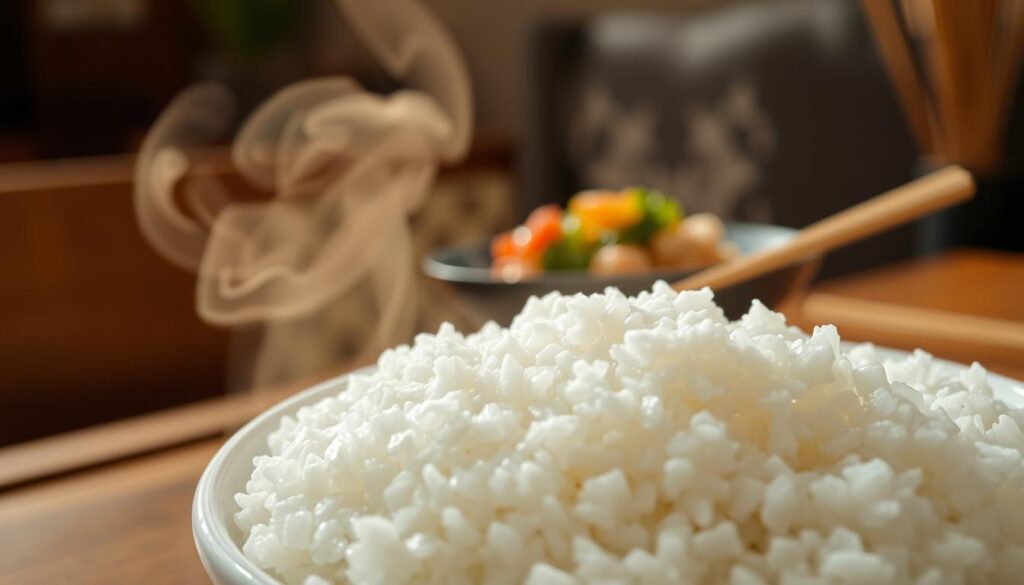
Steamed White Rice and Brown Steamed Rice
White steamed rice and brown steamed rice are the most dependable bases. They use few ingredients and have no batter or soy sauce built in.
Rice gives you control. Add sauce sparingly or skip it to keep the meal lower risk.
Packaged add-on: Tree Top Apple Crisps (Cub Meal)
The Tree Top Apple Crisps in the Cub Meal are prepackaged. Packaged items can feel more predictable than cooked sides that share equipment.
Drinks: fountain beverages and teas
Fountain drinks and brewed teas are generally safe by ingredient lists. They make an easy, no‑stress part of your order.
Buyer tip: even with safe ingredients, consider how rice and sides are scooped in a shared line. Ask staff if they can use clean utensils when possible.
| Item | Description | Risk Level | Typical Price (U.S.) |
|---|---|---|---|
| White Steamed Rice | Simple steamed short-grain rice | Low | $1.99 – $2.49 |
| Brown Steamed Rice | Whole-grain steamed rice | Low | $1.99 – $3.29 |
| Tree Top Apple Crisps (Cub Meal) | Packaged fruit snack add-on | Low | $0.99 |
| Fountain Drinks & Teas | Soft drinks, brewed iced teas | Low | $1.49 – $2.49 |
For a fuller look at the menu and ingredient notes, see the detailed menu. Next up: sauces, which are a common source of hidden wheat.
Gluten-Free Sauces at Panda Express (and What to Avoid)
Sauce choices shape exposure more than you might expect at a busy counter. Knowing which sauces use simple ingredients helps you order faster and with less risk.
Safer picks to use sparingly
Sweet & Sour Sauce, Chili Sauce, Plum Sauce, and Hot Mustard are listed as simpler choices by ingredient. They tend to use sugar, vinegar, fruit, or mustard rather than wheat-based soy blends.
Use one light ladle over steamed rice. Keeping the sauce separate lets you control how much touches your food.
High-risk sauces to avoid
Soy sauce is the common problem. Most standard soy sauce contains wheat and shows up in marinades and stir-fries.
Teriyaki sauce is also risky. It’s usually built on soy sauce and can hide wheat in sweet, thick glazes.
How “contains wheat” can be hidden
Thickeners, proprietary flavor bases, and supplier blends can list “contains wheat” or simply mask it under multiple ingredients. Labels aren’t visible at the counter, so assume thickened or glossy sauces may include wheat.
- Pick a single safer sauce and ask for it on the side.
- Request a clean ladle if staff can provide one.
- Remember: cross-contact from shared ladles and counters remains an allergen risk.
| Sauce | Typical Ingredients | Risk |
|---|---|---|
| Sweet & Sour Sauce | Sugar, vinegar, fruit puree | Lower |
| Soy Sauce | Soy, wheat, salt | High |
| Teriyaki Sauce | Soy sauce base, sugar, thickener | High |
| Hot Mustard / Chili / Plum | Mustard, chili paste, plum concentrate | Lower (use with caution) |
Popular Panda Express Items That Contain Gluten (or Aren’t Safe)
Some of the most-ordered items include wheat in more than one component, so a quick check before you pick can save trouble.
Orange Chicken
Orange chicken is a classic crispy chicken dish. The protein is battered with wheat flour. The glossy orange sauce also uses soy sauce. Together they mean this entrée will contain gluten.
Practical takeaway: even a small portion can matter if you are sensitive. Wheat shows up in both batter and sauce, so cross-contact risk is higher.
Fried Rice
Fried rice gets its color and flavor from soy sauce. Standard soy sauce typically contains wheat, so fried rice should be treated as not safe for strict avoidance.
Chow Mein and Noodle Sides
Noodle dishes are made from wheat-based noodles. They are easy to spot on the menu and are an automatic no for anyone avoiding wheat.
Fortune Cookies
Fortune cookies are labeled with wheat on the package. They are not a safe dessert option if you need to avoid wheat.
- Rule of thumb: if an item is breaded, fried, or sauce-forward, assume it may contain gluten unless verified.
| Item | Why it contains wheat | Risk |
|---|---|---|
| Orange Chicken | Wheat flour batter + soy sauce in glaze | High |
| Fried Rice | Soy sauce used in stir-fry | High |
| Chow Mein | Wheat-based noodles | High |
“Naturally Gluten-Free” vs. “Prepared Safely”: Understanding Cross-Contamination</h2>
Ingredient lists tell only half the story; preparation practices finish the picture. A dish that uses no wheat can still pick up traces during cooking. That difference matters when you follow a gluten-free diet or manage a sensitivity.
How shared oil and shared utensils can introduce gluten
Shared oil can move tiny bits of batter into plain sides. A fryer used for breaded proteins will carry crumbs into later batches.
Utensils and pans do the same. A ladle that stirs a sauced entree can leave residue on rice or vegetables. During peak hours, staff move fast, so cross-contamination rises.
What to ask in-store when you’re ordering
Keep questions short and polite. Try these:
- Can you use a fresh utensil or clean ladle for my order?
- Can the server confirm a clean pan or separate oil was used?
- Is a manager available for an allergen question?
If staff cannot answer confidently, choose packaged snacks and drinks or a plain steamed base to lower risk. Ask for guidance if your reaction would be severe.
| Risk Factor | Why it matters | Quick action |
|---|---|---|
| Shared oil | Transfers batter crumbs into otherwise plain items | Avoid fried options; pick steamed rice or packaged sides |
| Shared utensils | Moves sauce residue between dishes | Request fresh utensils or sauce on the side |
| Busy kitchen flow | Staff may reuse equipment during rush | Ask to speak with manager for allergen handling |
In short: “naturally gluten-free” refers to ingredients. “Prepared safely” depends on handling and kitchen routines. If you can’t get confident answers, skip risky options. The next section looks at entrees that seem lighter but still pose exposure.
Is Kung Pao Chicken, Teriyaki Chicken, or Broccoli Beef Gluten Free at Panda Express?</h2>
You probably want a clear answer on these popular entrées before you order. In short: none of the three are reliably safe for strict wheat avoidance.
Kung Pao Chicken: ingredients and shared-equipment risk
Kung pao chicken lists familiar parts: chicken, peanuts, and vegetables. The sauce and prep are the problem.
The sauce often includes soy or soy sauce and thickening agents. Shared woks and ladles raise cross-contact risk. For strict diets, treat pao chicken as unsafe.
Grilled Teriyaki Chicken: teriyaki sauce and wheat-based soy
Grilled teriyaki chicken gets its flavor from teriyaki sauce. That sauce usually builds on soy sauce, which often contains wheat.
Even grilled items touch the same pans and utensils as sauced dishes. So teriyaki chicken is not a safe choice for people avoiding wheat.
Broccoli Beef: ginger soy sauce and hidden gluten
Broccoli beef is served with a ginger soy sauce. Soy-based sauces commonly contain wheat or show “contains wheat” in supplier lists.
Beijing beef and other sauced beef items have the same concern. Sauced dishes frequently hide gluten in the ingredients and in handling.
| Entrée | Main concern | Risk | Typical Price (U.S.) |
|---|---|---|---|
| Kung Pao Chicken | Soy-based sauce; shared woks and ladles | High | $6.99 – $8.29 |
| Grilled Teriyaki Chicken | Teriyaki built on soy sauce (wheat possible) | High | $6.49 – $8.29 |
| Broccoli Beef | Ginger soy sauce; cross-contact in prep | High | $6.99 – $8.79 |
Decision rule: if an entrée is sauced or marinated, assume gluten risk unless ingredient lists clearly say otherwise and you accept cross-contact exposure.
If you still want to eat there, build a lower-risk meal around plain steamed rice and request sauce on the side.
How to Order a Lower-Gluten Meal at Panda Express (Buyer’s Guide Tips)
A quick, step-by-step plan makes it easier to choose lower-risk menu options during rush. Use this guide to build a simple, lower-exposure meal rather than expecting a fully safe result.
Best “base” strategy: steamed rice + minimal sauce
Choose white or brown steamed rice as your base. Keep sauce to a minimum and ask for it on the side so you control contact with the food.
Pick one lighter sauce and add just a spoonful. That lowers the chance your rice or veggies will pick up soy sauce or other blends that can contain gluten.
Requests that may reduce exposure
Ask politely for fresh utensils or a clean ladle when ordering. Request that staff use a clean scoop for your rice if they can.
If possible, ask whether a clean prep area or separate pan can be used. These small steps can cut cross-contact in a busy kitchen.
What not to do
Avoid mixing sauces, fried sides, and battered proteins. Those items often contain wheat and raise cross-contact risk through shared oil and utensils.
If the line looks chaotic and staff can’t accommodate requests, choose drinks and a packaged snack instead of hot menu items.
| Step | Quick action | Why it helps |
|---|---|---|
| Pick steamed rice | White or brown | Least-handled base on the menu |
| Limit sauce | One light sauce on the side | Reduces exposure to soy sauce or thickened blends |
| Ask for fresh tools | New ladle, clean scoop | Cuts cross-contact from utensils and oil |
Final checkpoint: you’re aiming for the lowest-risk meal that fits your diet. If staff cannot answer or make basic accommodations, pick safer options off the menu or wait for another meal time.
Use Official Panda Express Resources Before You Go</h2>
Use the official ingredient PDF and allergen pages to verify items before you place an order. That simple step cuts guesswork and helps you pick safer options on a busy day.
Checking the ingredient list and allergen information online
Open the brand website and download the Ingredient List PDF. Scan the entries for wheat, soy, or other triggers that matter to you.
Look up the exact menu items you plan to order. Read labels for “contains” notes and cross-check against the allergen page.
Why recipes and suppliers can change by time and location
Suppliers and recipes shift. What was listed last month may differ today. Verify close to ordering time for the latest ingredient details.
Stores can rotate items and vary kitchen practices. A location may prepare the same menu items differently. That affects real-world exposure.
| Resource | How to use it | Quick action |
|---|---|---|
| Official Ingredient PDF | Read specific ingredients for each entrée | Check for wheat, soy, or other allergens |
| Allergen Information on website | Confirm cross-contact notes and supplier alerts | Verify before you order |
| Local store staff or manager | Ask about prep tools, ladles, and fryer use | Request fresh utensil or sauce on the side |
Save the ingredient link on your phone for quick checks at the counter. If answers feel uncertain, default to plain steamed rice, a milder sauce on the side, and a beverage.
Still Craving the Flavor? Safer Alternatives and At-Home Gluten-Free Swaps</h2>
You can still enjoy those classic flavors at home with a few simple swaps. Start with steamed rice and a straightforward protein like chicken or beef.
Swap regular soy sauce for tamari or coconut aminos to remove most wheat from sauces. Make a sweet‑and‑sour, chili, or hot‑mustard style sauce at home so you control every ingredient.
For a crispy chicken, use a certified gluten‑free flour blend and keep your fry oil dedicated to that batch. This cuts cross-contamination in a way a busy menu line cannot.
If your needs are strict, cooking at home is the safest meal path. If you are mildly sensitive, choose simple in‑store options and ask about prep to reduce risk.