Is Panda Express Healthy
You can make a meal here fit your health goals, but the outcome depends on your entrée, side, and how sauce-heavy the plate is. Some choices are Wok Smart picks at ≤300 calories and at least 8 g protein. Others are fried, sweet, and high in sodium or sugar.
This guide uses a simple A vs. B comparison. One side covers Wok Smart-style and veggie-forward builds. The other shows fried and saucy classics to avoid or tweak.
“Healthy” means different things to different people. Some care about calories. Others track sodium, sugar, protein, carbs, or fiber. We’ll help you choose based on what matters to you.
Watch the base. Chow mein or fried rice can act like a full meal. Portion format matters too: Bowl, Plate, and Bigger Plate change totals fast. I’ll give at-the-counter swaps and quick scripts to use when you order.
Nutrition varies by location and serving size. Below you’ll find commonly listed numbers as a practical guide, not a guarantee.
What “healthy” means at Panda Express for calories, sodium, sugar, and protein
Use four simple numbers to judge a meal: calories for energy, sodium for salt load, sugar for added sweetness, and protein for fullness and muscle support. These four figures give quick, useful context when you scan a menu.
Nutrition swings fast. Breading and frying lift calories and fat. Glossy sauces add both sodium and sugar. Portion size turns a single entrée into a full meal once rice or noodles join the plate.
Quick watch-outs and a real example
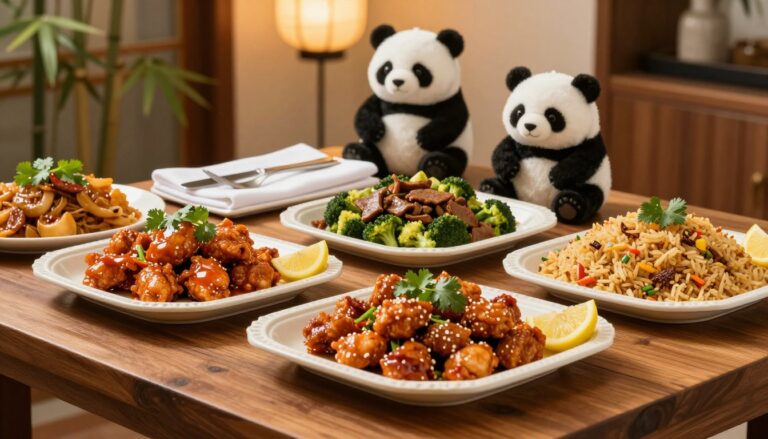
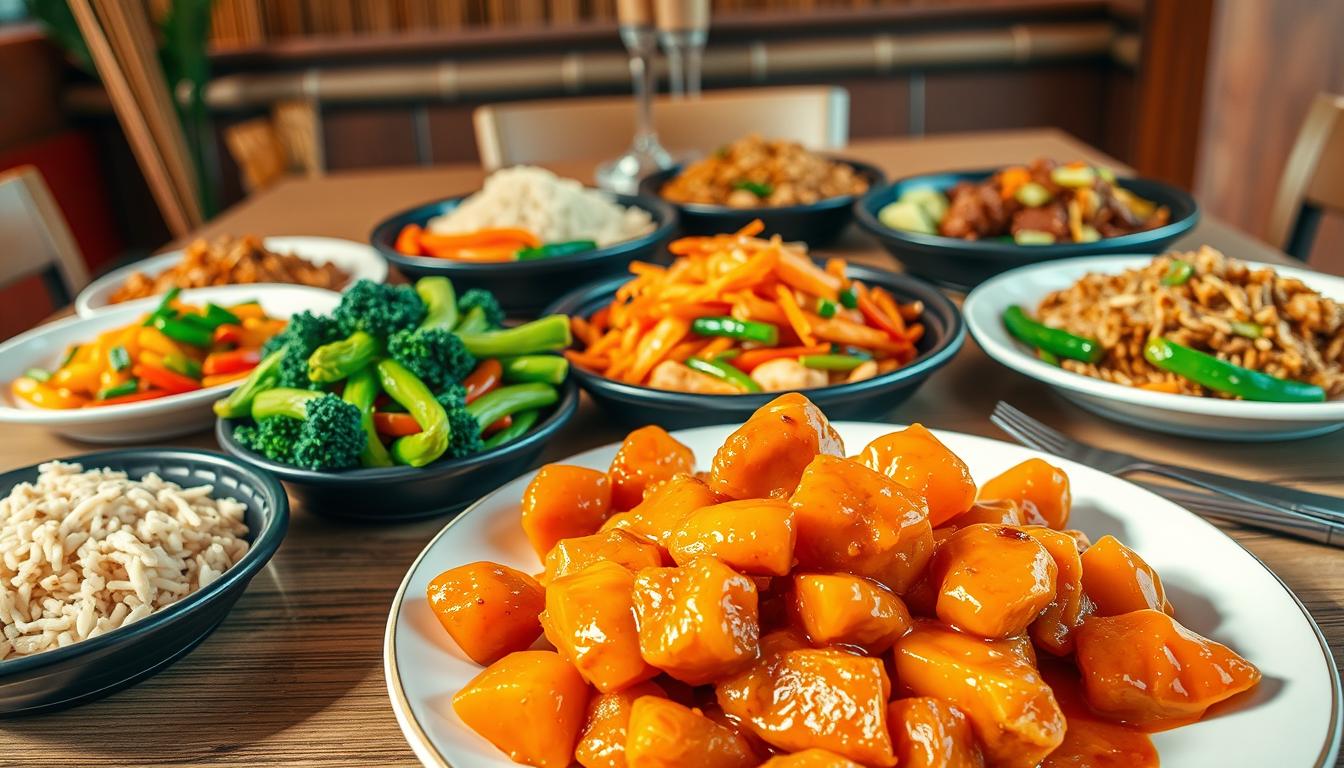
Orange Chicken is a good example of sauce plus frying: commonly listed near 490 calories, about 820mg sodium, and 19g sugar per serving. Serving sizes and regional information vary, so use these as guides.
Sodium is the quiet limiter. Calories can look fine, yet the salt load may matter for blood pressure. Make protein your anchor. Higher-protein choices often give a better protein-to-calories trade and help you feel satisfied.
| Item | Calories | Sodium (mg) | Sugar (g) |
|---|---|---|---|
| Wok Smart baseline | ≤300 | Varies | Low |
| Orange Chicken (typical) | ≈490 | ≈820 | ≈19 |
| Fried Rice (single serving) | ≈520 | High | Moderate |
| Super Greens (side) | Low | Lower | Low |
Is Panda Express Healthy when you compare Wok Smart options vs. fried, sauce-heavy entrées
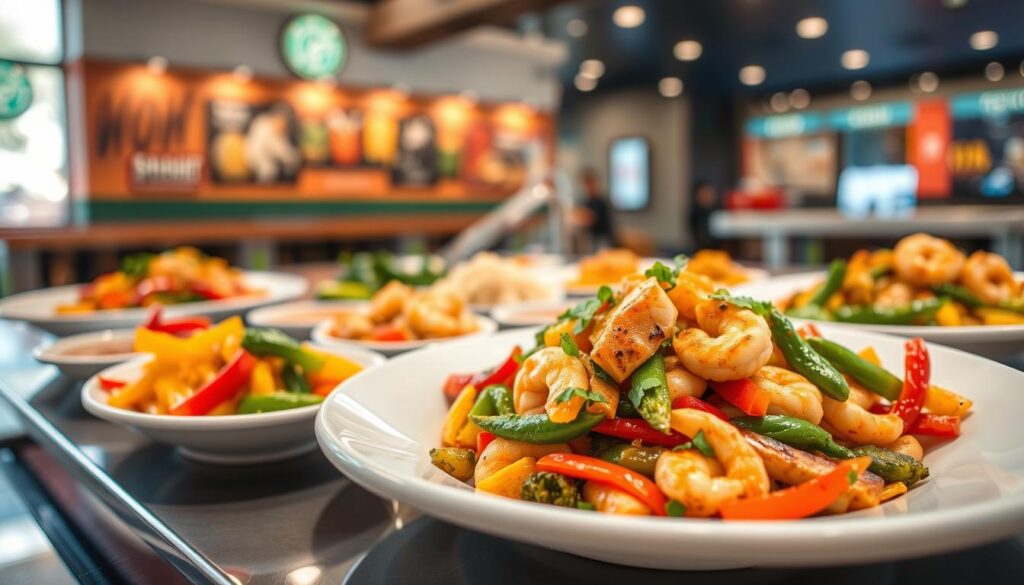
Start with a simple rule: choose Wok Smart options when you want lower calories and steady protein. Wok Smart entrées are designed around ≤300 calories and at least 8 g protein. That makes them the default zone when you want a lighter plate.
Orange Chicken vs. grilled teriyaki chicken
Orange Chicken is battered, fried, and coated in a sweet glaze. It commonly lands near 490 calories with ~820 mg sodium and high sugar. That extra sugar and fat add up fast.
Grilled teriyaki chicken is the higher-protein pick. It’s often about 300 calories with roughly 36 g protein. Choose this when fullness and protein matter more than a sweet finish.
Beijing Beef vs. Broccoli Beef
Beijing Beef is crispy and sugar-forward—around 470 calories and ~24 g sugar. It’s a sauce-intense choice.
Broccoli Beef is lighter by calories (≈150) and pairs more veg than breading. Still watch sodium: it can be near 520 mg. The win here is lower calories and sugar, not always lower salt.
Honey Walnut Shrimp vs. steamed or lighter seafood picks
Honey Walnut Shrimp feels fancy but adds calories from frying and a creamy-sweet sauce (≈360–400 calories). Look for steamed or simply seasoned seafood on the express menu if you want fewer carbs and less fat.
- Default shortcut: Wok Smart for lower calories and baseline protein; see more options here.
- Sugar and fat steer how you feel after a meal. Higher-protein, less-sugary items keep you fuller longer.
- Remember: fried does not always mean higher sodium; check labels and pick smart swaps.
| Item | Calories | Protein (g) | Sodium (mg) |
|---|---|---|---|
| Wok Smart baseline | ≤300 | ≥8 | Varies |
| Orange Chicken | ≈490 | 19 | ≈820 |
| Grilled Teriyaki Chicken | ≈300 | ≈36 | Varies |
| Broccoli Beef | ≈150 | Varies | ≈520 |
Side-by-side: Super Greens vs. Chow Mein vs. Fried Rice vs. white rice vs. brown rice
Your choice of side often decides whether a meal feels light or like a full dinner.
Super Greens as the default pick
Super greens are the easiest default side. They run about 90 calories and near 260 mg sodium.
They add roughly 5 g fiber and 6 g protein. Choose this when you want more veg volume and lasting fullness.
Why chow mein and fried rice can tip the scale
Chow mein commonly lists between 510 and 552 calories and about 860 mg sodium. Fried rice sits near 520 calories and ~850 mg sodium.
Both are cooked with oil and seasoning, so they act like a full meal, not a small add-on.
White rice vs. brown rice: carbs and fiber tradeoffs
White rice is a simple carb and usually lower in sodium than fried sides. Brown rice adds fiber and helps you feel satisfied longer.
Pick rice when you need carbs for activity. Pick Super Greens when you want a lighter, veggie-forward plate.
| Side | Calories | Sodium (mg) | Fiber (g) |
|---|---|---|---|
| Super Greens | ≈90 | ≈260 | ≈5 |
| Chow Mein | 510–552 | ≈860 | ≈3 |
| Fried Rice | ≈520 | ≈850 | ≈2 |
| White rice / Brown rice | 120 / 150 | Low / Low | 0 / ≈3 |
Portion formats compared: Bowl vs. Plate vs. Bigger Plate
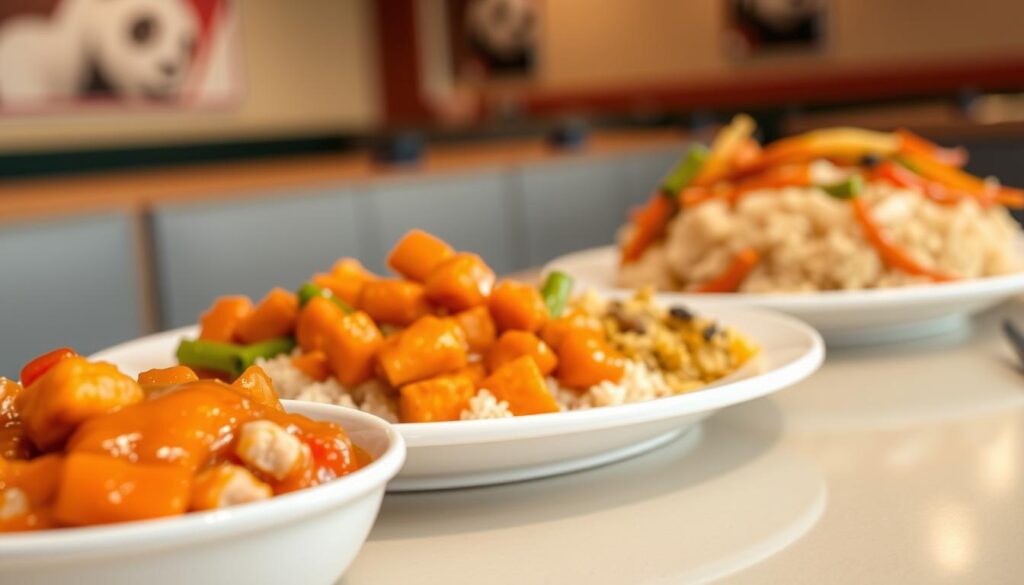
Choosing Bowl, Plate, or Bigger Plate changes both portion size and nutrition surprises. Each format pairs one side with a different number of entrées. Visualizing this helps you order with confidence.
What each format means
Bowl = 1 side + 1 entrée. It’s the tight portion that still feels like a full meal when you pick a higher-protein entrée.
Plate = 1 side + 2 entrées. Good for sharing or when you want variety without going all-in.
Bigger Plate = 1 side + 3 entrées. It stacks flavors but also calories and sodium fast, especially with chow mein or fried rice as the side.
Why Bigger Plate often overshoots
The Bigger Plate is not bad. It just makes it easy to layer three sauce-heavy entrées and pass your calorie target before you notice.
Start your order with the side in mind. Chow mein or fried rice raises the baseline calories and sodium for the whole meal.
| Format | Entrées | Side | How it affects calories & sodium |
|---|---|---|---|
| Bowl | 1 | 1 | Lower baseline; easier to control calories and sodium |
| Plate | 2 | 1 | Moderate totals; mix light and richer items to balance |
| Bigger Plate | 3 | 1 | High totals if entrées or side are sauce-heavy |
Simple rule: if you’re cutting calories or watching sodium, start at Bowl. If you’re very active or sharing meals, Plate or Bigger Plate can work with lighter choices and smarter sides.
Healthy Panda Express meal builds vs. common “nutrition traps”
A few smart swaps turn a comfort-food order into a balanced meal without a lot of fuss.
Higher-protein, lower-calorie default
Build #1: Super Greens plus grilled teriyaki. This pairs veg volume and fiber with a lean chicken entrée for steady protein and fewer calories. It feels warm and filling without heavy breading.
When you want more carbs
Build #2: Broccoli Beef plus rice. Choose brown rice or white rice when you expect higher energy needs. Broccoli Beef keeps calories low and adds veg, while the rice supplies carbs for training or long travel days.
The classic trap and why totals jump
Chow Mein plus Orange Chicken is tasty but quick to spike totals. Chow mein can run ~510–552 calories and ~860 mg sodium. Orange Chicken adds about ~490 calories and ~820 mg sodium. Together that example nears ~1,000 calories and ~1,680 mg sodium before sides or extras.
Small changes that matter
- Skip extra sauce packets to cut sugar and sodium.
- Choose Super Greens or a rice side instead of fried rice or noodles.
- Swap one fried entrée for a protein-forward chicken option to lower calories and uptick protein.
| Build | Why it works | Quick tip |
|---|---|---|
| Super Greens + grilled teriyaki | More protein, more fiber | Skip extra sauce |
| Broccoli Beef + rice | Veg volume + carbs for fuel | Pick brown rice for extra fiber |
| Chow Mein + Orange Chicken | Tasty but high in calories & sodium | Reserve as an occasional treat |
How to spot high-sodium Panda Express items and keep your meal in check
Knowing where salt hides on the menu makes it easy to trim excess sodium without losing flavor. A quick look at descriptions and textures guides smart choices at the counter.
Where sodium hides
Sodium often lives in marinades, glossy stir-fry sauces, breading, and extra sauce packets. Anything described as “extra saucy,” crispy, or sweet is a red flag.
- Glossy sweet sauces — tend to be high sodium and sugar.
- Seasoned noodles or fried rice — act like full meals of salt and oil.
- Crispy, breaded proteins — batter and fry add hidden salt.
Practical ordering scripts
Use short lines that sound natural: “Sauce on the side,” “No extra sauce,” or “Can I get Super Greens instead of noodles?” Try “Half greens, half rice” if it’s offered.
| Menu item | Sodium (mg) | Note |
|---|---|---|
| Chow Mein | ≈860 | High sodium; seasoned noodles |
| Orange Chicken | ≈820 | Fried + sweet sauce |
| Steamed Ginger Fish | ≈1,990 | Can be very high sodium |
Balancing the rest of your day
If a meal runs salty, drink more water and favor potassium-rich whole foods later, like bananas, leafy greens, and beans. Keep other meals lower in packaged foods.
Check current nutrition information on the restaurant site for exact numbers. Use these tips to enjoy flavor while managing sodium and making steadier choices.
Diet-fit comparison: higher-protein, lower-carb, and weight-loss-friendly choices
Your best order starts with a clear goal: boost protein, cut carbs, or build a veggie-forward plate for fewer calories.
Higher-protein picks
Choose grilled teriyaki chicken or other lean chicken items when protein matters. Grilled teriyaki commonly sits near 300 calories and gives strong protein per serving.
String Bean Chicken Breast is another Wok Smart-style option. It often lists around 190 calories, 14 g protein, and a bit of fiber. These choices help you feel full with fewer calories and less fat.
Lower-carb approach
Make greens the base. Skip rice and noodles and pick Super Greens as your side. That cuts carbs while adding fiber and volume.
Lean on vegetable-forward options and a single protein entrée to keep carbs low without losing taste.
Weight-loss-friendly strategy
Build a filling plate with Super Greens, a protein-forward chicken entrée, and a Bowl portion to control totals. This combo keeps calories down and adds fiber for satiety.
Be honest about fat and sugar: fried items add fat, and sweet sauces spike sugar quickly. Use “sauce on the side” and the Wok Smart filter on the panda express menu to refine choices.
- Goal-based picks: protein-first for strength, greens-first for lower-carb, volume-first for weight loss.
- Simple swap: one lean chicken entrée + Super Greens + Bowl = steady protein, more fiber, fewer calories.
- Adjust by day: pick carbs for workouts and lighter plates for travel or rest days.
| Goal | Quick pick | Why it works |
|---|---|---|
| Higher-protein | Grilled teriyaki chicken | High protein per ~300 calories |
| Lower-carb | Super Greens + lean chicken | Less carbs, more fiber and volume |
| Weight-loss-friendly | Bowl + Super Greens + lean chicken | Controlled portions, satiety from fiber & protein |
Making Panda Express work for your health goals long-term
Treat menu choices like tiny habits: small swaps add up over weeks.
Pick a sensible portion (Bowl) most days. Anchor the plate with a lean protein and default to Super Greens. Ask for sauce on the side and let fried or sweet dishes be your planned treats.
Try a simple weekly rhythm: one lighter panda express meal built around greens and grilled chicken, one comfort meal with noodles or fried rice, and balance other meals with whole foods. Track calories and watch sodium if you eat these dishes regularly.
Add a “Menu Table” in the published piece that lists healthier builds vs. common traps and populate real-time price from your ordering channel before publish. Quick rule to remember: Greens first, sauce second, Bowl when in doubt.
Disclaimer: this guide is educational, not medical advice. Check current nutrition per serving where you order.