Panda Express Allergen Menu
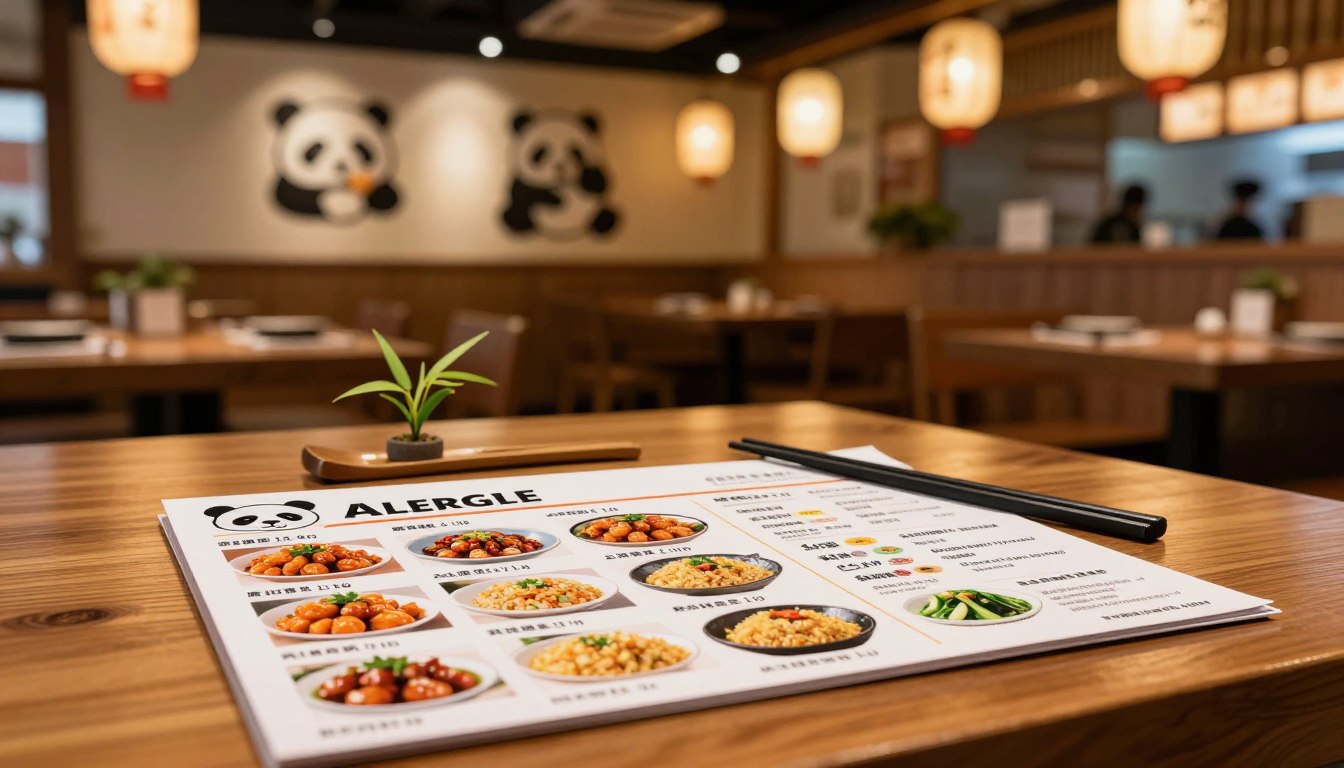
You want quick, practical help before you order. This short guide explains what the official allergy chart shows and how to build a safer order in the United States.
We cover the most common allergens, how to read the official chart, and tips for families, travelers, and busy diners managing food allergies or intolerances. The aim is clear steps you can use right away.
Understand that “made without an allergen by ingredients” is not the same as risk-free. Shared woks, fryers, and utensils can create cross-contact. Confirm details with staff or check the brand’s website each visit.
Expect to see wheat and soy often in sauces and coatings. You may also find egg and milk in select items. Menu items rotate by location and season, so verify ingredients before you eat.
This is informational, not medical advice. Speak directly with staff or a manager if you have a severe allergy.
How to Use Panda Express Allergy Information in the United States</h2>
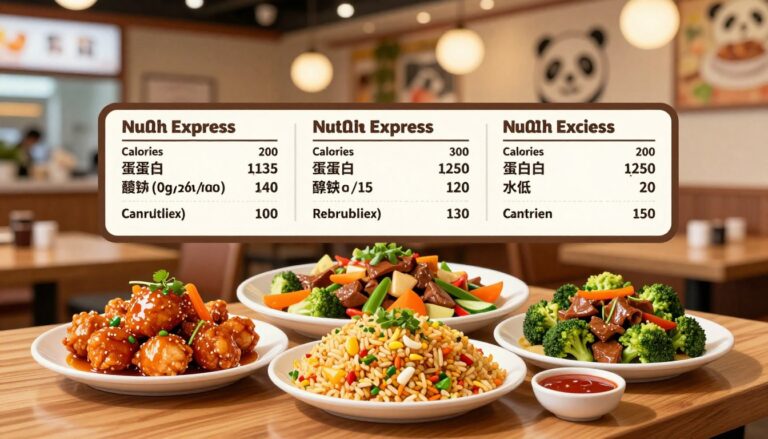
The fastest way to reduce risk is to use the restaurant’s live allergen chart on its website. That chart is the best source for current listings and updates.
Start online, then confirm in person. Open the panda express website to view the official allergen chart and ingredient columns. The express website updates when recipes change, so third-party lists can lag.
Follow a simple routine when ordering:
- Verify the exact item name and portion (cup, bowl, or entrée).
- Check the allergen columns relevant to your restriction.
- Ask the cashier or manager to confirm local kitchen steps if you have a serious allergy.
Why availability and ingredients vary
Not every location carries every item. Seasonal entrees and supply shifts can alter what a restaurant stocks.
Cross-contact reminder
Shared woks, fryers, and utensils are common in a high-volume chain. Cross-contamination can occur even when an item’s recipe lacks a specific ingredient.
| Check Type | What it shows | Best use |
|---|---|---|
| Official website | Updated allergen chart and ingredient notes | Initial verification before you visit |
| In-store staff | Local availability and kitchen practices | Confirm cross-contact risks and special requests |
| Third-party lists | General summaries that may lag | Quick reference only; verify with official sources |
For an extra step, consult a dining-out guide that focuses on dairy-free and allergy-friendly options: dining-out guide.
Common Allergens in Panda Express Menu Items</h2>
Knowing which ingredients repeat helps you choose safer dishes when you’re short on time.
Why wheat and soy appear so often
Many entrees rely on soy-based sauces and wheat-based batters or noodles. That makes avoiding wheat and soy tricky across most cooked plates.
Plain rice and the gluten baseline
If you avoid gluten, plain steamed white rice is the simplest baseline. Most other entrees and noodle sides will not meet a strict gluten-free need.
Where milk and egg tend to show up
Milk often appears in creamy coatings, dessert-style items, and some shrimp recipes. Egg shows up in fried rice, batters, and select soups.
Seafood allergens: fish versus shellfish
Fish and shellfish are separate categories. Steamed fish is different from shrimp items, so avoid the whole category you react to.
Peanuts and tree nuts: limited but risky
Peanuts are used in specific stir-fries and tree nuts appear in a few shrimp recipes. Cross-contact in a shared kitchen can still pose a risk.
- Decide your non-negotiables before ordering: which allergens you must avoid.
- Ask staff about cross-contact for any sensitive items.
- Choose plain rice or veggie options when in doubt for safer options.
| Allergen | Common examples | What to avoid |
|---|---|---|
| wheat | noodles, battered chicken | most sauces and fried items |
| soy | soy sauce, marinades | sauced entrees and chow mein |
| milk | creamy coatings, Honey Walnut Shrimp | desserts and battered shrimp |
Panda Express Allergen Menu: Quick Picks for Lower-Allergen Ordering</h2>
Start with a simple plate when time is tight and allergies are a concern.
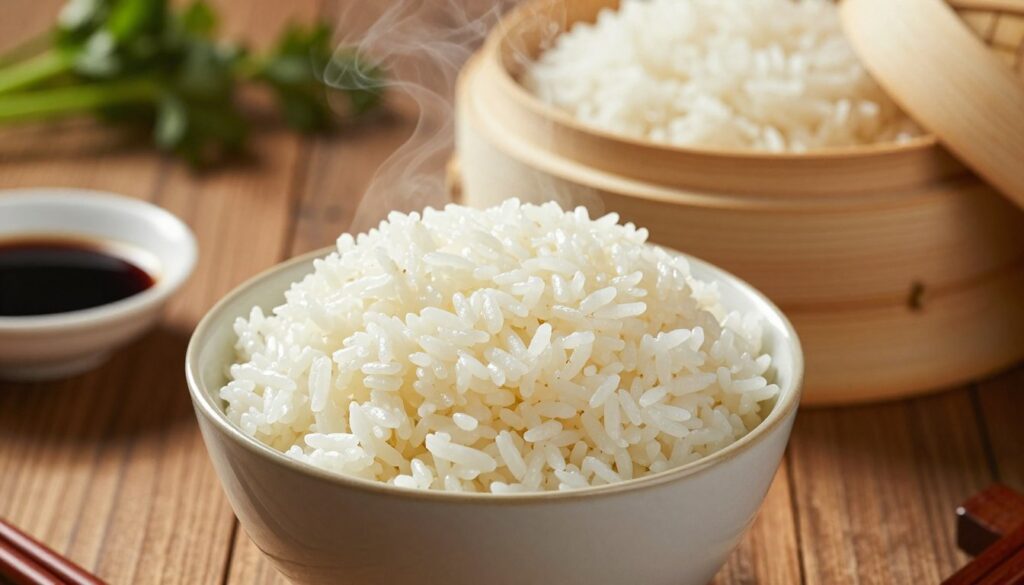
Simple sides: white steamed rice and brown steamed rice
White steamed rice and brown steamed rice are often listed with fewer listed ingredients. They show up on many charts as free from major allergens, making them reliable starting points.
Veg-forward choice: Super Greens
Super Greens works well as a side or a light entrée. It adds fiber and volume without heavy sauces.
Check the local allergen chart for updates. Listings and recipes change, so verify Super Greens each visit.
Sauces and smarter builds
- Commonly simpler sauces: Sweet & Sour Sauce, Chili Sauce, Plum Sauce, Hot Mustard — verify on site.
- Safe-start plan: begin with plain rice, then add Super Greens and a verified entrée.
- Smart meal idea: white steamed rice + Super Greens + a checked protein for fast, lower-risk meals.
| Item | Why it helps | Use |
|---|---|---|
| White Steamed Rice | Few ingredients; often soy-free | Base for many meals |
| Brown Steamed Rice | Whole-grain option; similar allergen profile | Side or base |
| Super Greens | Low-sauce, veg-forward | Side or entrée |
Appetizers and Soup Allergen Notes Before You Order</h2>
Small bites and bowls often carry unexpected traces of milk, egg, wheat, and soy. Treat starters as a hidden-allergen zone.
Check chicken potstickers and vegetable spring rolls on the live chart before adding them to your tray. Wrappers, fillings, and shared fryers can introduce wheat and soy rapidly.
Creamy and fried starters to watch
Cream Cheese Rangoon is a clear milk risk because of the filling. It may also be listed with egg depending on the current chart.
Chicken Egg Rolls are sometimes flagged for milk in guides. Confirm the allergen columns on the brand’s site when you order chicken or similar items.
Soups and surprise ingredients
Hot & Sour Soup can show egg and milk in allergen tables. Expect broth-based soups to be simple, but verify ingredients before you serve them to someone with a sensitivity.
- Think of starters as high cross-contact risk.
- Skip appetizers when ordering for a child with allergies to lower exposure.
- Start with plain fried rice or a simple side if you need safer options.
| Item | Common risk | What to confirm |
|---|---|---|
| Chicken Potstickers | Wheat, soy | Wrapper ingredients and fryer use |
| Cream Cheese Rangoon | Milk, sometimes egg | Filling and batter ingredients |
| Hot & Sour Soup | Egg, milk | Broth recipe and egg inclusion |
Rice, Noodles, and Vegetable Sides: What’s in Fried Rice, Chow Mein, and Super Greens</h2>
Rice and noodle sides vary a lot; a quick ingredient check saves time and worry. Steamed rice usually has a short, clean ingredient list. It is often the simplest choice when you want fewer unknowns.
Steamed rice vs. fried rice
Steamed rice is the lower-complexity side. Fried rice commonly includes egg in the listed ingredients and often shows egg on allergen charts. Use the official allergen information to confirm your location’s recipe before you order.
Noodle notes: chow mein and chow fun
Chow mein typically contains wheat and soy, so it matters if you avoid gluten or soy-based sauces. Chow fun recently appears in some summaries as containing milk. Verify current labels rather than relying on older guides.
Veggies and Super Greens
Super Greens is a popular side or light entrée. Ingredient listings can differ from chart entries. Mixed vegetables may also show egg on some lists. Don’t assume veggie sides are free of major allergens.
- Decision tool: choose steamed rice for lowest complexity.
- Confirm sauces and seasonings via the allergen chart.
- When in doubt, ask staff to verify current ingredients.
| Side | Common allergens | Why check |
|---|---|---|
| Steamed rice | Rarely listed | Simple ingredients; safer base |
| Fried rice | Egg | Often contains egg in ingredients |
| Chow mein / chow fun | Wheat, soy, sometimes milk | Gluten and dairy notes change over time |
Chicken Entrées and Allergens: Orange Chicken, Kung Pao Chicken, Teriyaki, and More</h2>
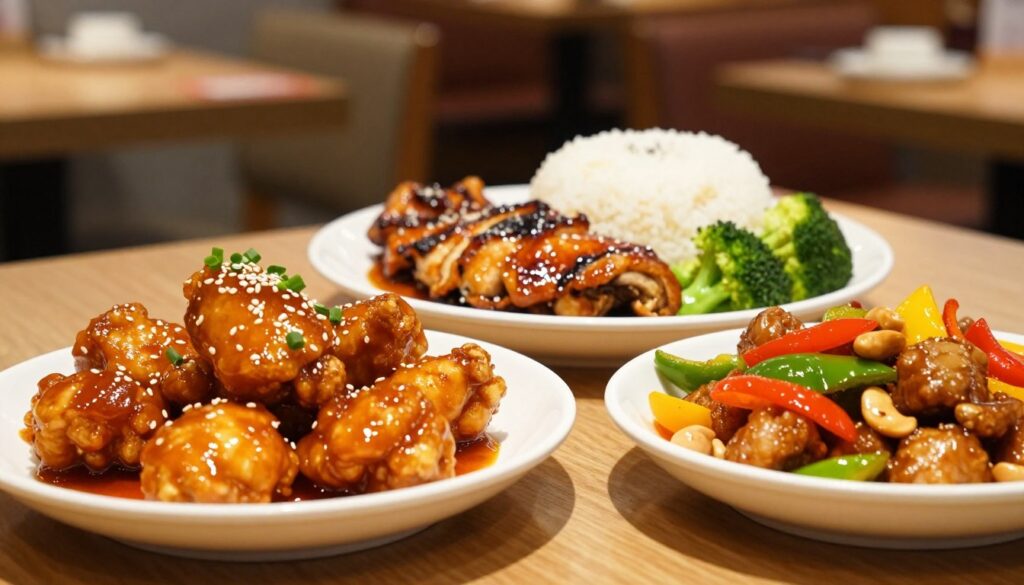
Scan the chicken lineup with an allergen-first eye so sauces and coatings don’t catch you off guard.
Peanut callout: Kung Pao Chicken is the one commonly cited for containing peanuts. If someone at your table reacts to tree nuts or peanuts, skip this entrée and ask staff for alternatives.
Milk and Orange Chicken
Orange Chicken and seasonal Hot Orange Chicken are often listed with milk and can also show egg on some charts. Don’t assume “just chicken and sauce.” Proprietary flavors can add dairy or egg to a familiar dish.
Teriyaki: grilled vs. sauced
Grilled teriyaki-style options tend to be simpler. Sauced preparations may introduce wheat, soy, or other ingredients depending on the recipe and prep station.
Comparing chicken breast entrees
String Bean Chicken Breast, Honey Sesame Chicken Breast, and Sweet & Sour Chicken Breast share a pattern: check for wheat and soy in sauces, egg in batters, and milk where it’s listed.
| Entrée | Top checks | Quick tip |
|---|---|---|
| Kung Pao Chicken | Peanuts | Avoid for peanut allergies |
| Orange Chicken | Milk, sometimes egg | Confirm current chart |
| SweetFire Chicken Breast | Soy (ask about oils) | May be soy-free; verify oil use |
Order script: “I have a [specific allergy]. Which chicken is safest today? Can you use a clean utensil or a separate batch?” Use this at the counter to make your meal safer.
Beef and Seafood Entrées: Beijing Beef, Broccoli Beef, Honey Walnut Shrimp, and Steamed Ginger Fish</h2>
Some beef and shrimp dishes look similar but carry very different risks.
Beef entrées and common allergen patterns
Beef entrees often follow the same pattern as chicken. Sauces and coatings are the usual sources of wheat and soy.
Broccoli beef and beijing beef both use sauce bases. Beijing beef once showed milk on older guides but current listings no longer list dairy. Always check the live chart for the latest facts.
Seafood: fish versus shellfish
Seafood splits into two buckets for safety. Fish like Steamed Ginger Fish differ from shellfish dishes such as crispy or wok-fired shrimp.
If you react to shellfish, skip shrimp even if fish looks safe. Cross-contact in woks and fryers increases risk.
Honey Walnut Shrimp: a clear alert
Honey Walnut Shrimp contains milk and tree nuts. It is a high-alert entrée for those specific allergies and a common must-skip.
- If an item “used to contain milk,” verify the current listing before you order.
- Walk away if staff cannot confirm cookware and prep steps for severe allergies.
| Entrée | Top checks | Note |
|---|---|---|
| Beijing Beef | wheat, soy, (past: milk) | Verify current chart; dairy status changed |
| Broccoli Beef | wheat, soy | Sauce-based allergens similar to other beef dishes |
| Honey Walnut Shrimp | tree nuts, milk, shellfish | High-alert for nuts and dairy |
Sauces and Desserts: Hidden Allergens and Safer Add-Ons</h2>
Sauces and small sweets can change a safe plate into a risky one in seconds. A plain base like steamed rice may be fine until a packet adds dairy, egg, or gluten.
Sauce options to consider
Some condiments are often listed without major ingredients. Chili sauce, hot mustard, plum sauce, and sweet & sour sauce are common starter choices.
Soy, teriyaki, and potsticker sauce: check for wheat
Soy-based sauces and teriyaki frequently contain wheat or gluten. Potsticker sauce can also concentrate wheat and soy. Ask staff or view the chart before you dip.
- Why check sauces: a safe plate can become unsafe once sauced.
- Safer sauce picks: chili sauce, hot mustard, plum sauce, sweet & sour — verify each visit.
- Watch soy and teriyaki closely for wheat and gluten.
Desserts and bakery-style items
Look over apple pie roll, fortune cookies, and Tree Top apple crisps. These items sometimes fit certain needs, but suppliers and recipes change.
Cookies and bakery-style desserts are more likely to contain milk and egg. If you’re ordering for kids, treat sweets as higher-risk add-ons.
| Item | Common checks | Quick tip |
|---|---|---|
| Chili / Plum / Sweet & Sour | Often allergen-light | Confirm on the panda express website or in store |
| Soy / Teriyaki / Potsticker | Wheat, soy, gluten | Verify before adding |
| Apple pie roll / Cookies | Milk, egg | Ask about suppliers and labels |
Simple habit: check the panda express website first, then confirm in-store. That small step keeps your food choices safer and your meal more predictable.
Order With Confidence: Cross-Contact, Special Diet Notes, and Smart Meal Builds</h2>
Plan your order around a few safe anchors and you’ll cut down on cross-contamination worry.
Before you order, check the official chart on the panda express website, confirm the exact item name, and ask staff if shared woks or fryers are used. This simple routine helps with allergies and special diets.
Keep meals simple: steamed rice, Super Greens, and one verified entrée. Add a sauce only after you confirm its ingredients.
Red flags to remember: Orange Chicken (milk), Honey Walnut Shrimp (tree nuts + milk), Kung Pao Chicken (peanuts), and fried rice (often egg). Older guides may list Beijing Beef or Steamed Ginger Fish differently, so verify current info.
You are not being difficult by asking questions. You are protecting your meal and your family. Ask, confirm, and eat with confidence.