Panda Express Secret Menu
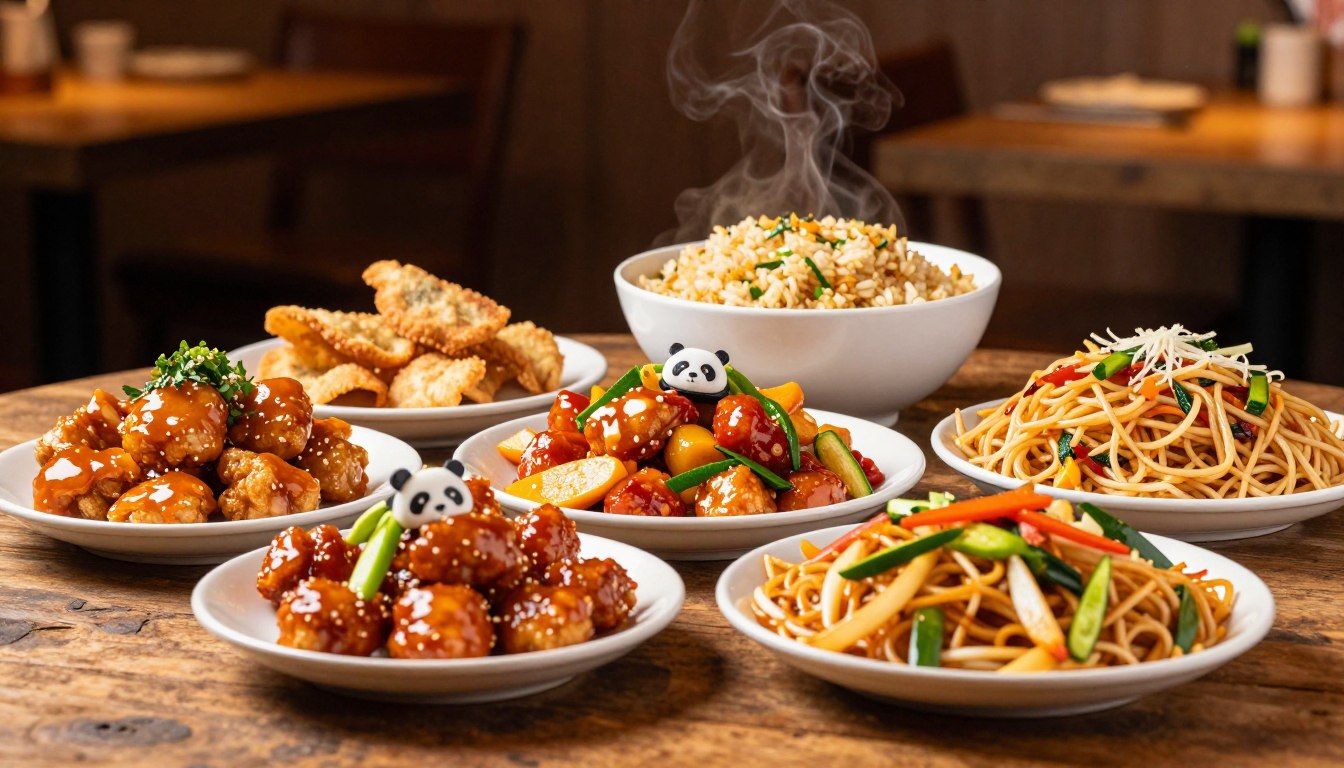
You’re probably here because you heard about the panda express secret menu and want practical tips. Start by knowing one thing: the chain does not list a hidden board. Most off-list items are clever builds from regular ingredients.
This guide shows you real-world orders that work most places. You’ll get the most-ordered off-menu builds first — simple wraps, sauce swaps, and bowl hacks. Later, we note rare finds that depend on staff willingness and local stock.
“Secret” here means mixing familiar menu pieces to fit your taste. We’ll also cover likely costs so value-conscious diners know what to expect. Prices usually follow standard plate and bowl tiers, with occasional small upcharges.
When you order, be polite and specific. That gets better results than insisting on a secret name. We’ll also give a short calories reality check so you can customize without surprises.
What the Panda Express “secret menu” really means today
What people mean by a secret offering today is usually a custom combo you describe at the counter. It’s not a printed, off-site list. It’s a practical way to mix regular menu parts into something new for your plate or bowl.
Think of two categories. One group is clear custom builds you can order by ingredients. The other group is rumored or test items. Those latter options show up only at certain locations or trial kitchens.
- Custom builds are usually made from standard menu items and sides. They rely on what’s in the line.
- Test or regional items depend on local stock, staff willingness, and the store setup.
- Busy food-court or high-traffic locations may limit custom requests to keep the line moving.
How to order so staff can help
The golden rule is to name ingredients and steps. For example: “Rice, veggies, and Orange Chicken wrapped in a tortilla, if you have one.” That phrasing helps more than asking for an express secret name.
If staff say no, offer a quick pivot. Most refusals are practical, not personal. Up next: real off-menu builds people order now and the exact wording that works.
Panda Express Secret Menu items people still order right now
A few classic custom orders keep turning up at locations because they’re easy to make and taste like comfort food.
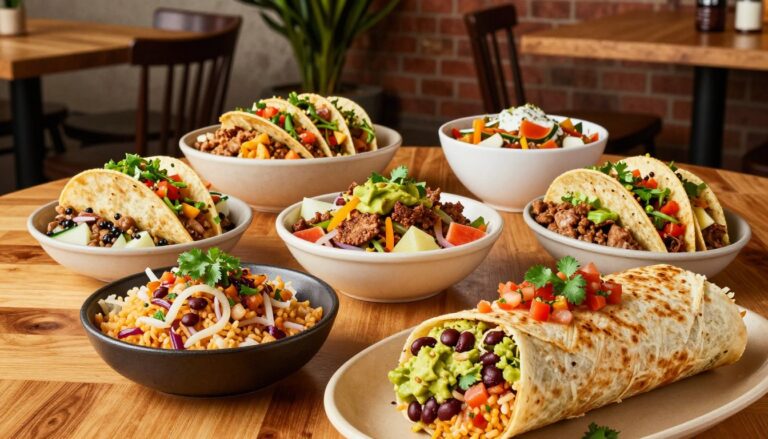
Orange Chicken Burrito
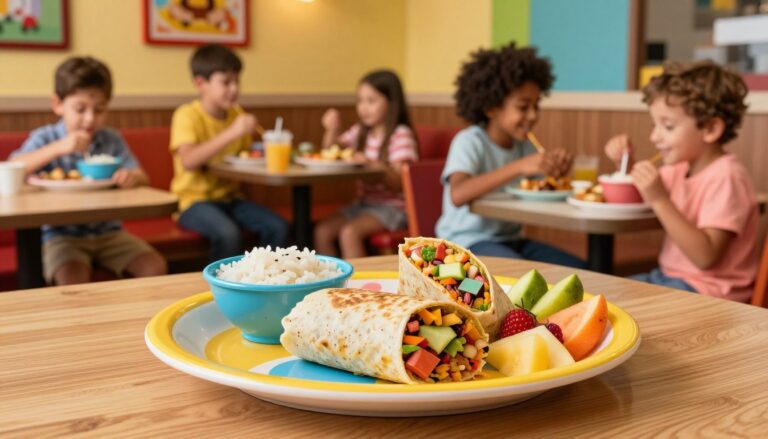
This wrap uses a tortilla, rice, mixed veggies, and orange chicken. Tortillas aren’t always on hand, so ask first to avoid slowing the line.
Try this line: “If you have tortillas, can you wrap Orange Chicken with rice and mixed veggies for me?”
Chow Mein with extra sauce
Ask for extra Orange, Teriyaki, or Sweet & Sour sauce. It adds 100–200 calories but boosts flavor without changing ingredients.
Half-and-half rice
Request a split scoop: fried rice mixed with white or brown rice. It balances comfort and a lighter bite.
Honey Walnut Shrimp with extra glaze
This is rich and sweet. Ask for the glaze on the side if you want the taste without soaking everything.
Kung Pao Chicken “dry style”
Ask for less sauce so the dish eats like a stir-fry with more heat. Some kitchens can do it, some cannot.
Brown fried rice & Orange Chicken with bacon
Brown fried rice is a sometimes option if a store can swap rice. Orange chicken with bacon is rare and location-dependent. Always ask politely.
Quick pick: choose extra sauce and orange chicken for max flavor. Choose split rice and side sauce for balance.
Limited-location and test-kitchen finds worth knowing about
Some limited-location experiments and test kitchens shape which off-line dishes ever reach your local counter. These trials help chains try concepts before a wide rollout. They also create items people talk about online.
Innovation Kitchen in Pasadena: why it matters
The Innovation Kitchen in Pasadena is a real test location for panda express research. New ideas get cooked there first. If you do not live near that location, you may never see certain items on your local line-up.
Wok-Fire Shrimp and other test runs
Wok-Fire Shrimp is a good example of a test-run item people mention online. It may show up at one or a few locations during trials. Expect availability to be limited and inconsistent.
Rumored slow-cooked ribs and verification limits
Claims about bone-in, slow-cooked ribs are hard to verify nationwide. Special equipment, supply chains, and speed needs make those dishes unlikely at most stores. Treat such reports as “heard about, not guaranteed.”
- Test kitchens preview dishes and measure customer interest.
- If a food item needs special gear, most locations won’t add it.
- Best rule: if you’re near the test location, call ahead before planning a visit.
How to order off-menu at Panda Express without getting shut down
The best way to get a custom build is to speak in ingredients. Start with what you want made, list each component, then finish with a gentle qualifier like “if that’s possible today.”
The best way to phrase your order
Use this simple script: name the finished item, then list ingredients and steps. Example: “Burrito wrap — rice, mixed veggies, Orange Chicken, sauce on the side, if that’s possible today.”
When to order: non-rush hours
Go during off-peak times. Staff move faster at lunch and dinner rushes. Non-rush hours give you time to explain without slowing the line.
In-store vs. online/app ordering
In-store is the best way to customize. You can clarify ingredients and swap components on the spot. Apps usually limit you to standard modifiers and may not let you request assembly changes.
If they say no: quick pivots
Have a backup plan. If there are no tortillas, ask for a bowl with the same ingredients. If a protein is out, swap to a similar component. Don’t argue about whether an express secret exists. Ask if they can assemble it with what they have.
- Script style: state the finished item, list ingredients, end with “if possible.”
- Reusable examples: burrito wrap, split rice, extra sauce mixed, sauce on side, less sauce for dry style.
- Respect the crew: keep requests simple and flexible so people behind the counter can help.
Prices and what you’ll actually pay for “secret” orders
Understanding what you’ll pay for a custom order starts with the base size the cashier rings up.
The core rule is simple: there is no separate secret price. You pay the standard bowl, plate, or bigger plate rate. Then the register adds any premium protein upcharges and small extras.
What drives the total
- Base size (bowl, plate, bigger plate) sets the starting price.
- Premium entrées — like walnut shrimp — usually add a surcharge.
- Small add-ons such as extra sauce or split rice may be free or up to $1.
Real examples and typical ranges
Expect a burrito-style build to land around $10–$13. A custom bowl typically runs $8–$10. Extra sauce often costs $0–$1, depending on location.
| Base | Typical range | Notes |
|---|---|---|
| Bowl | $8–$10 | Good value for two entrées and rice |
| Plate | $9–$12 | More rice and an extra scoop of entrée |
| Bigger Plate | $12–$15 | Largest portion; adds cost if you pick shrimp |
If you want flavor without a big price jump, ask for extra sauce or split fried rice before adding a premium protein. For exact plate pricing in your area, check a local panda express plate listing.
Best sauce and flavor hacks (the easiest “secret menu” wins)
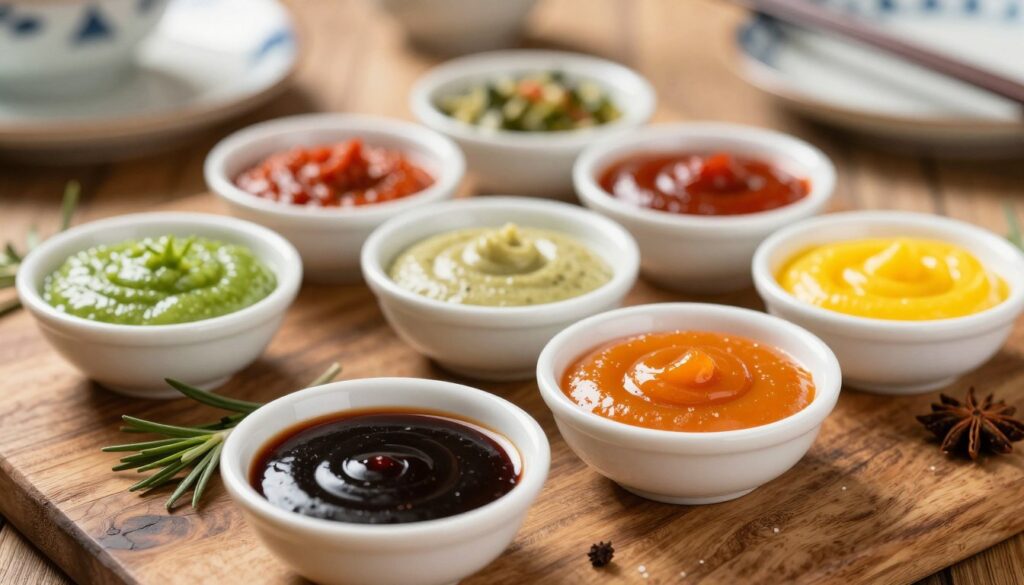
A little extra glaze or a side cup of sauce can turn a familiar plate into something new and comforting. Sauces are the simplest customization because they use items the kitchen already stocks. That makes them faster to grant than special cooking requests.
Extra Orange sauce, Teriyaki, and Sweet & Sour: how to choose
Pick orange sauce for a sweet-tangy lift. It pairs well with express orange chicken and gives a bright, familiar taste.
Choose teriyaki for richer, savory-sweet flavor. It works great on rice or grilled proteins.
Sweet & Sour is the classic bright option. It brings zip to fried items and balances heavy bites.
Sauce on the side vs. mixed in: controlling sweetness and sodium
Ask for sauce on the side to control sweetness and sodium. You can dip, drizzle, or leave most off. This prevents rice or chow mein from getting soggy.
Mix sauce in when you want even coating. Noodles and chow pick up sauce fast and taste richer when stirred through.
- Simple win: ask for extra sauce — it’s often the easiest off-list tweak.
- Ordering line: “Can I get extra Orange sauce on the side?” or “Can you mix in a little extra Teriyaki sauce?”
- Comfort tip: small sauce changes make familiar items feel new without changing ingredients.
- Nutrition note: extra sauce can add roughly +100–200 calories. Start small if you’re watching calories.
What Reddit and long-time fans say actually works at most locations
Long-time fans and Reddit threads point to a simple truth: the easiest tweaks get approved most often. Fans share real orders that use items already on the line. Those wins travel well between locations.
Most-successful repeats
Community-reported winners keep coming up because they are fast and familiar. They include:
- Burrito builds when a tortilla is available — rice, veggies, and a protein wrapped up.
- Half-and-half rice requests — split fried rice with white or brown rice for balance.
- Chow mein with extra sauce — ask for extra Orange or Teriyaki sauce mixed in.
Why these items succeed
These items rely on menu items already in view. They don’t need extra equipment or long cook times. That keeps the line moving and staff willing to help.
Location reality and food-court limits
Two stores in the same city may handle the same request very differently. Staffing, manager rules, and how busy a location is all matter.
If you’re ordering at a crowded mall spot, pick quick swaps like split rice or sauce on the side. Have a backup dish you enjoy. Reddit-approved does not mean guaranteed — but polite, simple requests work most often.
Calories and nutrition reality check before you customize
Custom orders taste great but often add calories and sodium. If you care about nutrition, consider how portions, sauces, and premium proteins change a meal.
High-calorie standouts
Burrito-style builds commonly land around 900–1,100 calories. That comes from rice, protein, and a large tortilla plus sauce.
Sauce-heavy noodles and chow mein with extra glaze add a heavy dose of calories and sodium. Extra sauce can tack on roughly 100–200 calories.
Premium plates with proteins like honey walnut shrimp can push a plate past 1,200 calories. The glaze and larger portions are the main drivers.
Lighter swaps that still taste good
Small choices keep the comfort without the excess. Ask for mixed rice — half fried rice, half white rice — to cut calories while keeping flavor.
Load up on veggies and pick grilled or simpler chicken instead of glazed shrimp. Ask for sauce on the side to control how much you use.
- Quick rule: one change at a time helps you find what satisfies without overshooting calories.
- Choose a side of veggies or a smaller plate when available to lower totals.
- Be judgment-free: these tips help you enjoy the dishes you love with better control.
| Order type | Typical calories | Why it adds up |
|---|---|---|
| Burrito build | 900–1,100 kcal | Tortilla, rice, protein, extra sauce |
| Sauce-heavy noodles | 700–1,000 kcal | Oil, sauce, noodles absorb glaze |
| Premium plate (walnut shrimp) | 1,000–1,400+ kcal | Fried shrimp, glaze, larger portions |
Build your perfect Panda Express order and keep it repeatable
.
Build your perfect panda express order and keep it repeatable
Pick a base (bowl or plate), choose one dependable entrée, then add a single tweak you know your local crew can do. Write that build down in plain ingredient language so anyone at the counter can recreate it.
Use this quick checklist: standard components only, no special equipment, and an easy assembly step. Ask for split rice, sauce on the side, or extra glaze to scale the flavor up or down.
Have a backup plan if a component is missing. Swap tortillas for a bowl, or trade a sauce for a similar one. The best panda express secret order is one your store can make often, tastes like comfort food to you, and stays in budget.